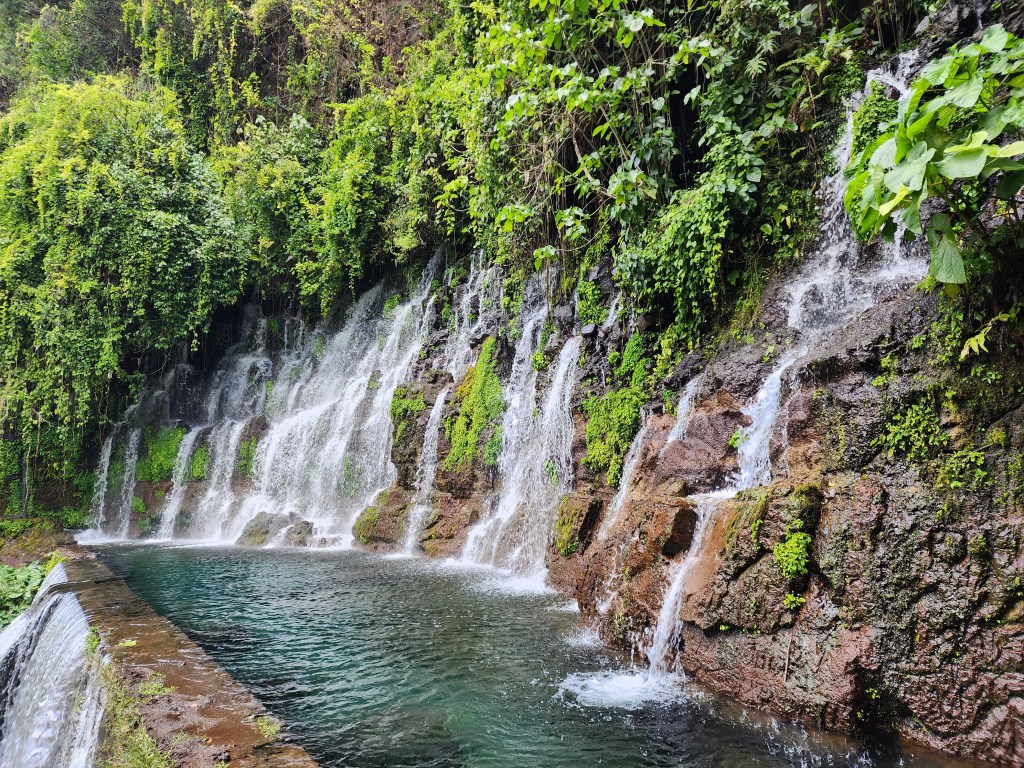
“Murder capital of the world”, “third world country”, “nothing to do there”; Those are some of the stuff I heard about El Salvador whilst living in the UK and USA.
“I felt super safe, even at night”, “surprisingly functional “, “Could’ve spent a month there there’s so much to do!”: Those, are some of what I heard from people who actually had been to El Salvador.
It seems to be standard procedure when backpacking Central America to go straight from Nicaragua to Guatemala or vice versa, only driving through El Salvador or/and Honduras. Admittedly, that was my original plan, but after I heard the hike I was going to do to start my trip in Guatemala was full for that weeks trip, I decided to use my extra week to stop in El Salvador. I did some research and found that the dangerous reputation the country has comes almost solely from gang violence, and, most importantly, that said violence close to never affects the areas that were worth stopping at.
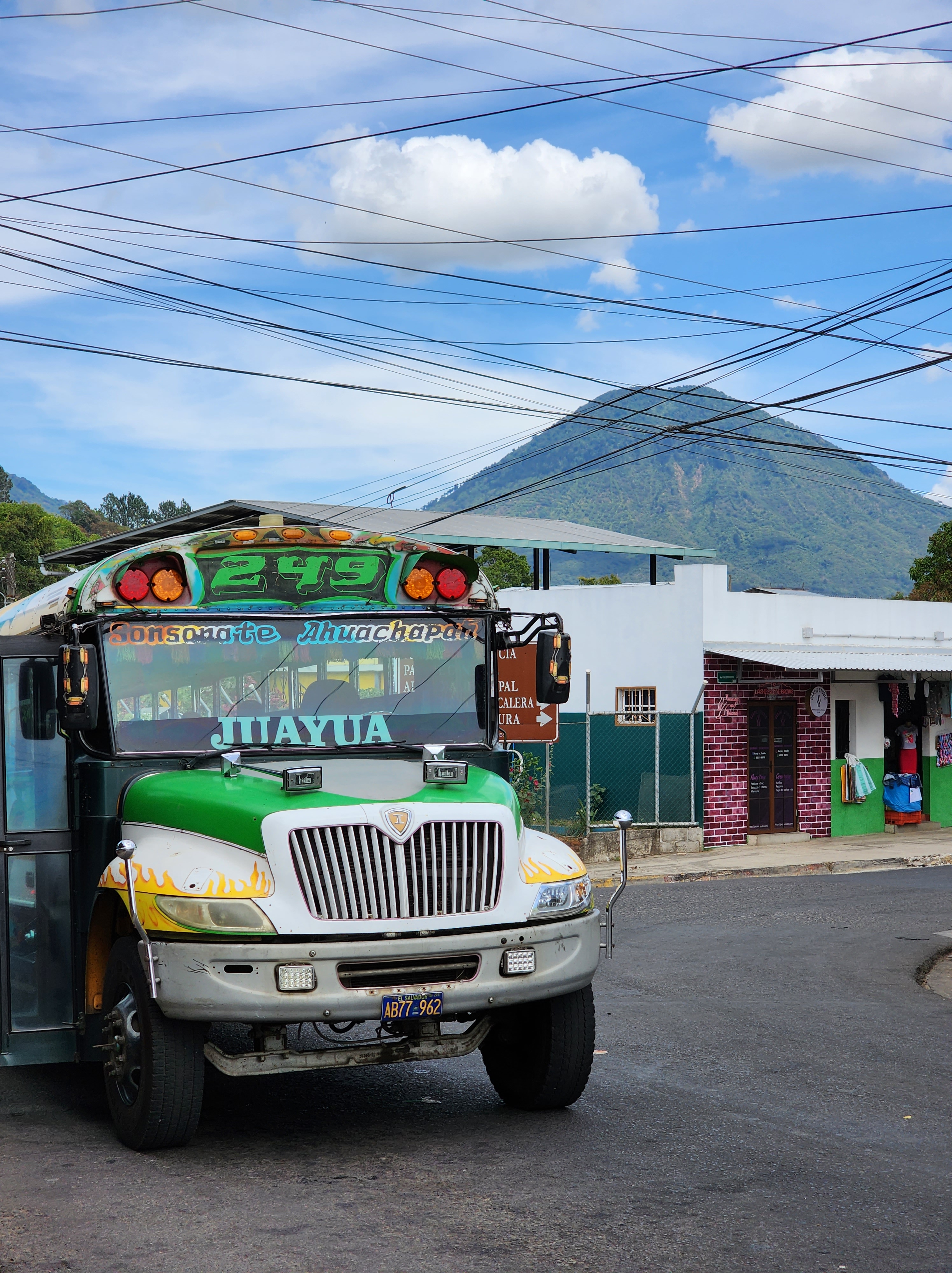
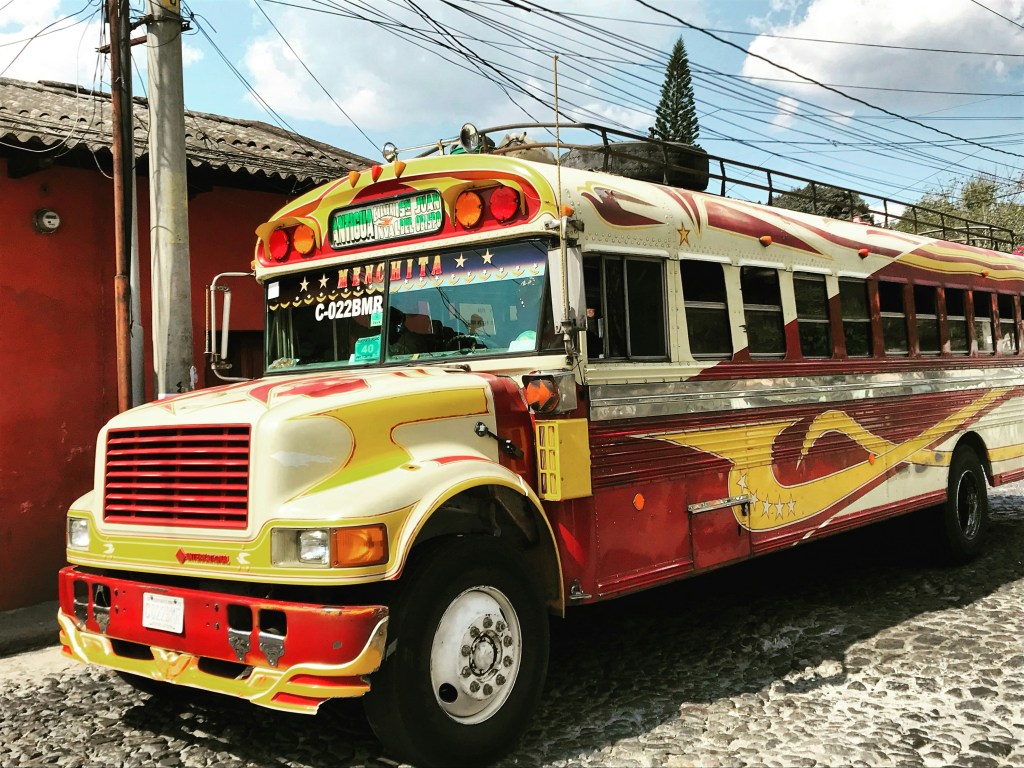
And so… I went. And let me say honestly; El Salvador well and truly blow my (admittedly low) expectations out of the water! Volcanoes, lakes, beaches, colonial architecture, adventure, El Salvador had it all! Even better, though definitely not a first world country, it was one of the easiest countries to navigate, with the chicken buses here being, at least in my opinion, by far the best of all the chicken bus countries. (cleaner, more on time, comfortable, spacious, and just as well decorated).
So, how can you enjoy this country as much as I did? By doing what I did! Or close to it anyway. In this article you’ll find an itinerary very similar to what I did myself, with a couple improvements that in retrospect I would have done.
So delve in, enjoy the read, and hopefully, enjoy your trip!
Getting here from Leon, Nicaragua:
*Since I was travelling Northward, I’ve written directions in that order (Nicaragua to El Salvador to Guatemala). If you’re going in the opposite direction, simply scroll to the end of the page and work your way up, since this entire itinerary is made to fit a North to South route. Safe Travels!
Though this journey can be done by local chicken buses, it’s one of the only times in Central America that I’d wholeheartedly recommend taking a shuttle instead. So why not by bus? Well first off you’re crossing not one but two borders, with Nicaragua into Honduras being a bit tricky on foot. Border crossings are always far easier in a shuttle, as there’s less walking through no man’s land and the drivers always explain the procedures. On this trip especially, going with a shuttle meant close to no waiting in lines and talking to officials as the driver did nearly everything for us. Secondly; Because of the border crossings and the many changes you’d have to make, going by bus would require you to spend a night in Southern Honduras. An area definitely not known for its safety and with few accommodation options. So yes, the shuttle is definitely 100% worth the price difference.
They’re many companies who run this route, with most costing around $45 and leaving at 3:30 AM. A cool option would be Volcano Day’s bundle which includes the famous volcano boarding, one nights accommodation in Leon, and the shuttle to El Tunco, all for $70 (as of February 2023). This deal doesn’t seem to be available on their website so best to contact them personally or just do as I did and ask them at their office in Leon (it’s on the same street as the Bigfoot and ViaVia Hostels).
Day 1: Beached:
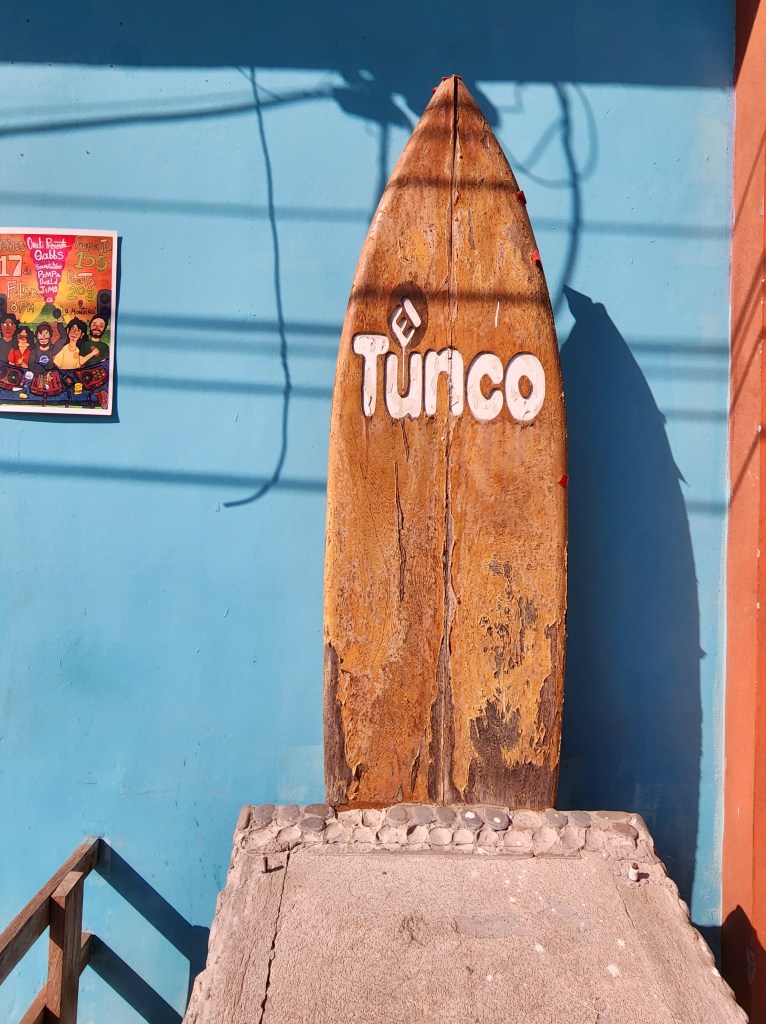
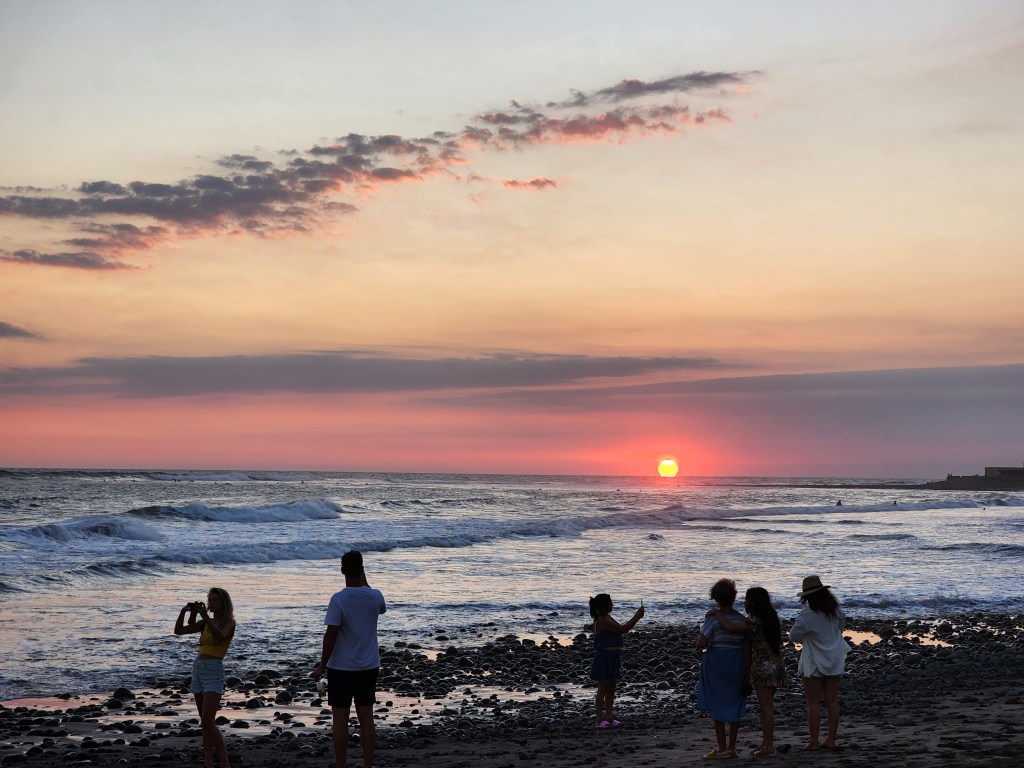
It’s a beach day! Starting with some wave riding! El Tunco is considered one of the best surfing destinations in Central America! There are countless surf rentals and lessons available in El Tunco and the neighbouring beaches so ask at your place of accommodation for recommendations or just rock up at the beach and find one. After some gnarly wipeouts (duuuuude), spend the rest of the day at the beach, this place is a perfect place to just forget about all life’s worries and issues so soak it in! Alternatively, grab the 192 bus west to El Zonte and beach yourself there. Make sure you’re by the coast to watch the sunset. The sunsets in these parts will blow your socks off! Hold on, you’re at a beach… Will blow your swim trunks off!!
Ok. That’s awkward 
Day 2: Of Caves and Cliffs:
There’s no better way to start your day than a stroll down the beach. I say “down” because when you walk around ten minutes South East, you’ll find the El Tunco Sea Caves. During very low tide, you can explore the awesome interiors of these seaside marbled marvels! Just remember to bring a drybag if you’re bringing a camera, as even in low tide you’ll most likely get a few solid splashes, these are sea caves after all.
After you’ve dried off and spent some time back at the beach, it’s time to head inland to the Tamanique waterfalls. Either grab a tour through any of the local tourism agencies, or hop on bus 187 to the village of Tamanique, where you can find a local guide to take you to the falls. You’ll hike through a gorgeous valley before reaching a series of cascading cascades, one which you can cliff jump by!
Then, head back to the beach for one more sunset.
Day 3: Scenes of Santa Ana:
First things first, try to fit in one more morning stroll by the beach… Great, now we’re off to the sensational colonial town of Santa Ana.
Once you’ve arrived and settled into your accommodation, go out and explore the city a bit. Though Santa Ana is more of a base to nearby excursions then a highlight in itself, it definitely is worth exploring for a few hours. Head to the square to see the almost angelic looking white Cathedral, buy some local “Jocote” fruit at the main square, and explore the National Theatre for $1.50 ($7 for a tour). You can also join the locals in watching a show at the theatre from $6.
I can’t talk about Santa Ana without mentioning the amazing Hostal Sole! Not busy, but definitely charming, and with the largest, most comfortable hostel beds I’ve ever had!
Day 4: The Captain and the Crater:
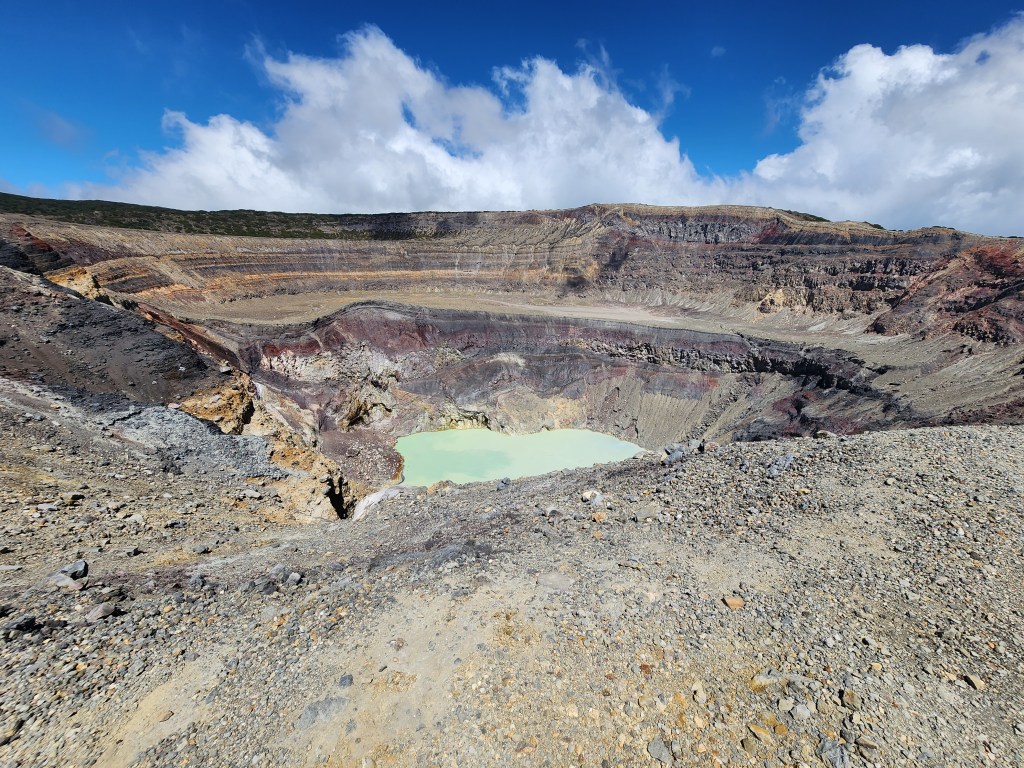
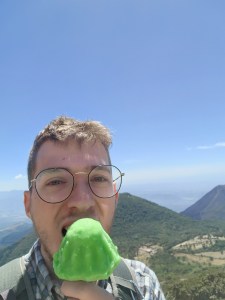
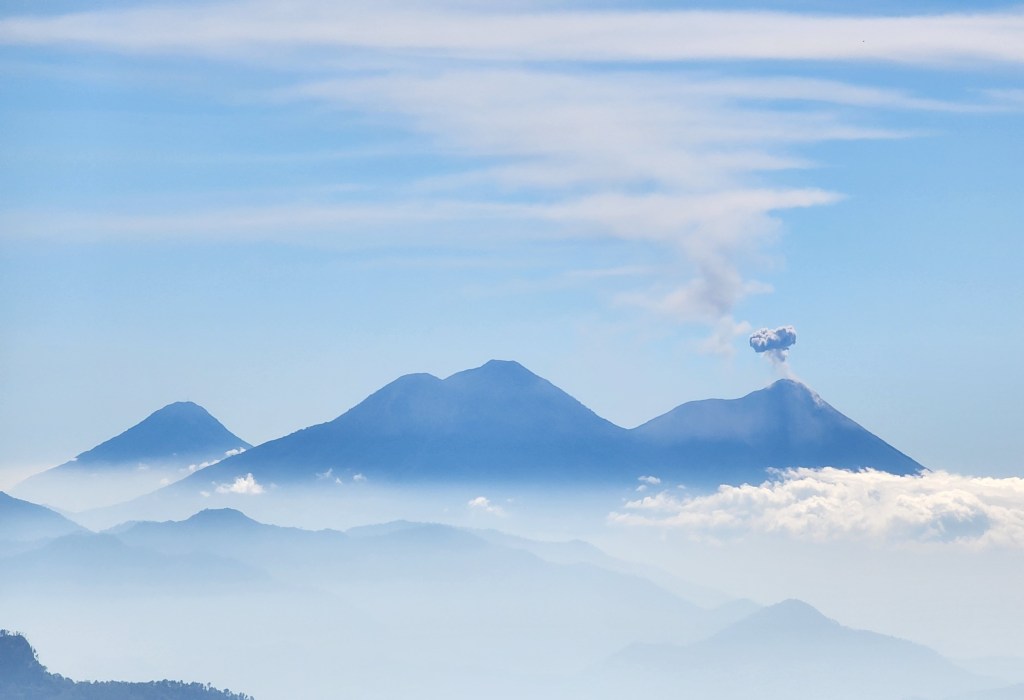
It’s time to conquer a volcano! If you’ve been in Central America for a while, you may be getting tired of volcanoes… Psyche! You don’t get tired of these beasts! Thankfully, todays conquest, the Santa Ana Volcano, is a relatively easy one, as the hike shouldn’t take you more than four mostly easy hours (at the absolute most! It took me three at a very leisurely pace) to complete in its entirety (up and down). On the way up, the views will constantly lift you off your feet! Oh wait, that might be the wind, the one downside to the hike. The peak of the volcano is no more, in its place is a large volcanic crater with neon blue water! Annoyingly you can’t get too close to the inviting water, because, well, it’ll probably boil you. Instead, to reward you on reaching the peak, there is a glorious old man selling some delicious pistachio ice cream and choco bananas. Yum!
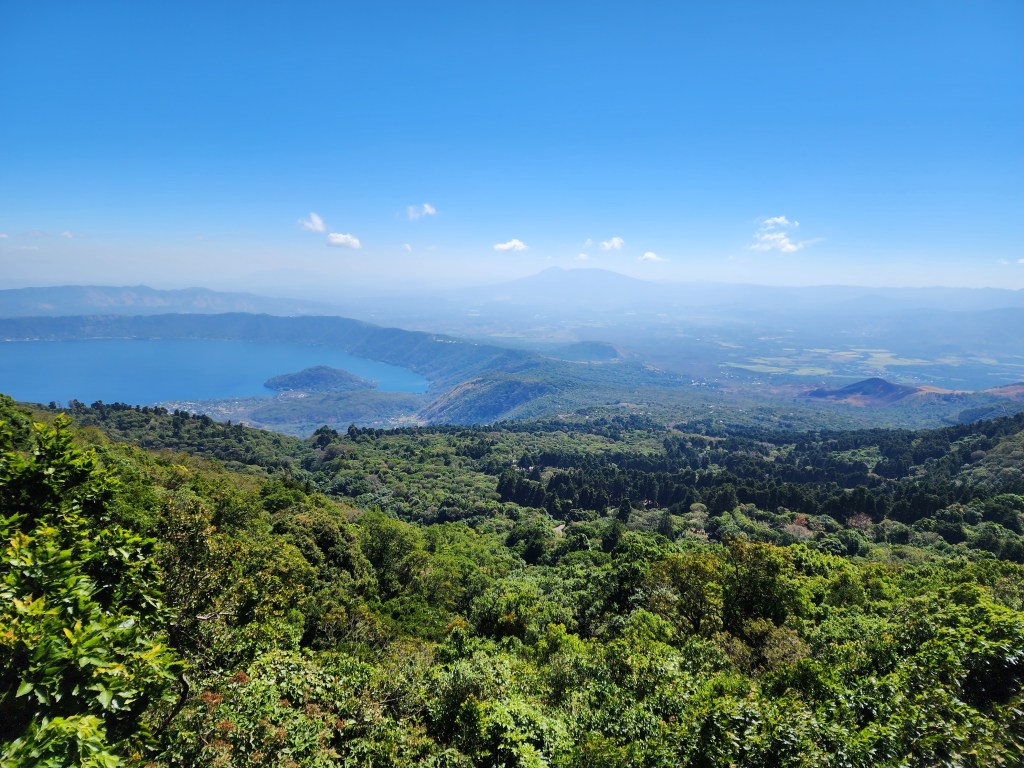
To get to Volcan Santa Ana, first catch bus 248 from La Vencedora Bus Station on the corner of 11a Calle Poniente and Avendida Fray Felipe Jesus; the exact location can be found on the maps.me app. Annoyingly, you’ll have to catch the bus at 7:30AM which should take around 90 minutes to get to Cerro Verde National park. This is where things got weird for me, as I just followed a group of travel savvy Dutch backpackers and next thing I know we were on the volcano trail without a guide having only paid the $6 entrance to the volcano itself. As normal as that sounds, nearly everyone I met had to pay $3 for an official guide and $3 to enter Cerro Verde NP, as well as the $6 for the volcano when they went for the climb. To this day I have no idea why we had it different (thanks, random Dutchies, I owe you one), so I’m going to leave a link to a guide by this awesome travel page! https://destinationlesstravel.com/santa-ana-volcano-hike/
After your hike, it’s time to relax. And what better place than at a lake? Well, at Captain Morgan Hostel on Lake Coatepeque! This awesome hangout lets you in free of charge to use its stunning lake view patio and terraces. There’re a couple bars, a restaurant, little hot pools, games, and easy access to the lake’s beautifully blue waters. How easy? Just jump off the terraces and you’ll find out! The coolest bit though, is the the round platform on the water which (to my suprise) turns out to be an oddly shaped boat! They head out for a short sunset cruise around the lake, complete with drinks and music. Make sure to ask a member of staff when it’s leaving to ensure you don’t miss it.
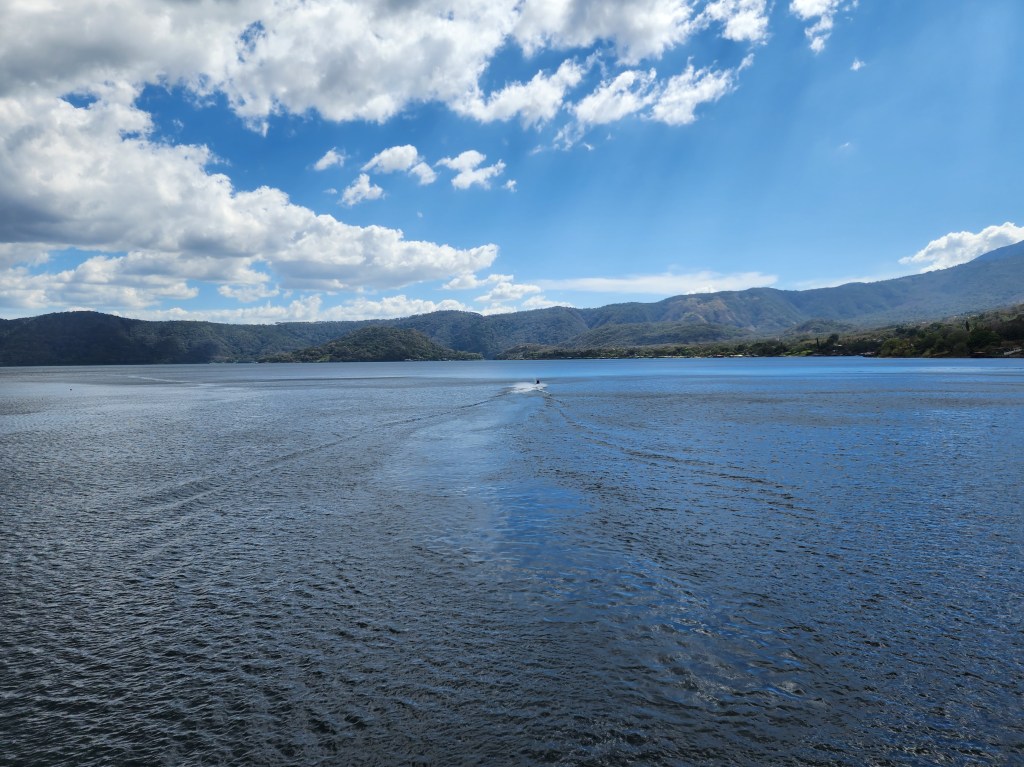
To get here from the volcano, simply take the same 248 bus back towards Santa Ana and get off at the village called El Congo. From here, you’ll need to take alternative transport in the form of either a taxi or hitchhiking. To get back from the lake to Santa Ana, you can take the 242 bus from right by the hostel though it stops running quite early in the afternoon. Your best option is to get a taxi or try for an uber. This shouldn’t be more than $20 and you should be able to find people to split it with. Alternatively, why not stay at the lake for the night, giving you the chance to capture an incredible lake sunrise.
Day 5: Temple Run
Like that old game, only we’re dashing to the temples instead of running away from them. The first is Joya de Ceren; Known as the “Pompeii of the Americas”. It got this name because, like Pompeii, it was devoured after its angry neighbour (an angry volcano) blew its top. It was only found by accident, in the 70’s, and is now an eye opening historical throwback to the times of the Mayans. Amongst the well preserved excavations, be sure to check out the ancient communal sauna! The entrance to this site is $10, which is more expensive than other El Salvador ruins but is understandable as it is the country’s only UNESCO site.
To get here, catch the 201 bus heading to San Salvador, and get off in the town of Opico. Then go to the gas station on the main road (there’s only one big road in this small town so you won’t miss it) and get any bus going north, the ruins are just a couple kms up the road.
After exploring the ruins, start retracing your steps towards Santa Ana, but get off the 201 bus when it passes signs for “Sitio Arqueologico San Andres”. This is our next stop, a more traditional Mayan ruin, “ruin” here being from time and abandonment rather than flowing lava. It’s crazy to think that once upon a time approximately 12,000 people lived here! These ruins cost just $3 to enter. From here take the 201 bus back to Santa Ana.
Depending on when you left and how long you spent at the ruins, you may have time for one more awesome ruin (weird how for us travellers and explorers it’s “awesome”, while for the Mayan it was just… home. Hell, I want to live in between towering stone pyramids! Who’s in?), Tazumal.
Tazumal is a larger site (compared to the first two) situated smack in the middle of the present day town of the same name. Though you can’t climb the main pyramid here, you can climb the stairs of the auxiliary pyramid for a unique view. This site costs $5 for foreigners.
To get here take bus 214 from the main bus terminal (Francisco Lara Pineda) or bus 218 from Calle 9 (make sure to take the “direct” to save time), getting off in the town and walking the short distance to the ruins. These ruins close at 4 so only go if you have the time. Fortunately the bus should only take 20-30 minutes from Santa Ana so it’s quite doable.
Just a few minutes walk from Tazumal is the smaller Casa Blanca site. Though smaller and less excavated, there’s a cool museum here, besides that the ruins seem more “ruined”. This site also costs $5 and closes at 4PM. From here you can catch the same buses back to Santa Ana from right outside (the site is directly off the highway).
Day 6: Flower Power:
“Ruta de las Flores” – “the route of flowers”. Sounds pretty doesn’t it? It sure is! And we’re heading there today! So what is it? Basically, the Ruta de las Flores is a set of five towns known for their vibrant colours and gorgeous surroundings. The best way to explore the area is to base yourself in one of the towns (normally Juayua or Ataco) and use the bus 249 which connects all the towns.
So for simplicity’s sake let’s say you’re staying in Juayua. If you get a place somewhere else, just remember, everything’s on the same bus. To get here take the 238 bus which come directly from Santa Ana. The bus leaves Santa Ana at 8:40 am, 11:45 am, 12:40 pm, 3 pm, 4 pm, 5 pm, and 6 pm. Alternatively, take the 210 to Ahuachapan and then the 249 (to any of the towns), which comes every 15 minutes.
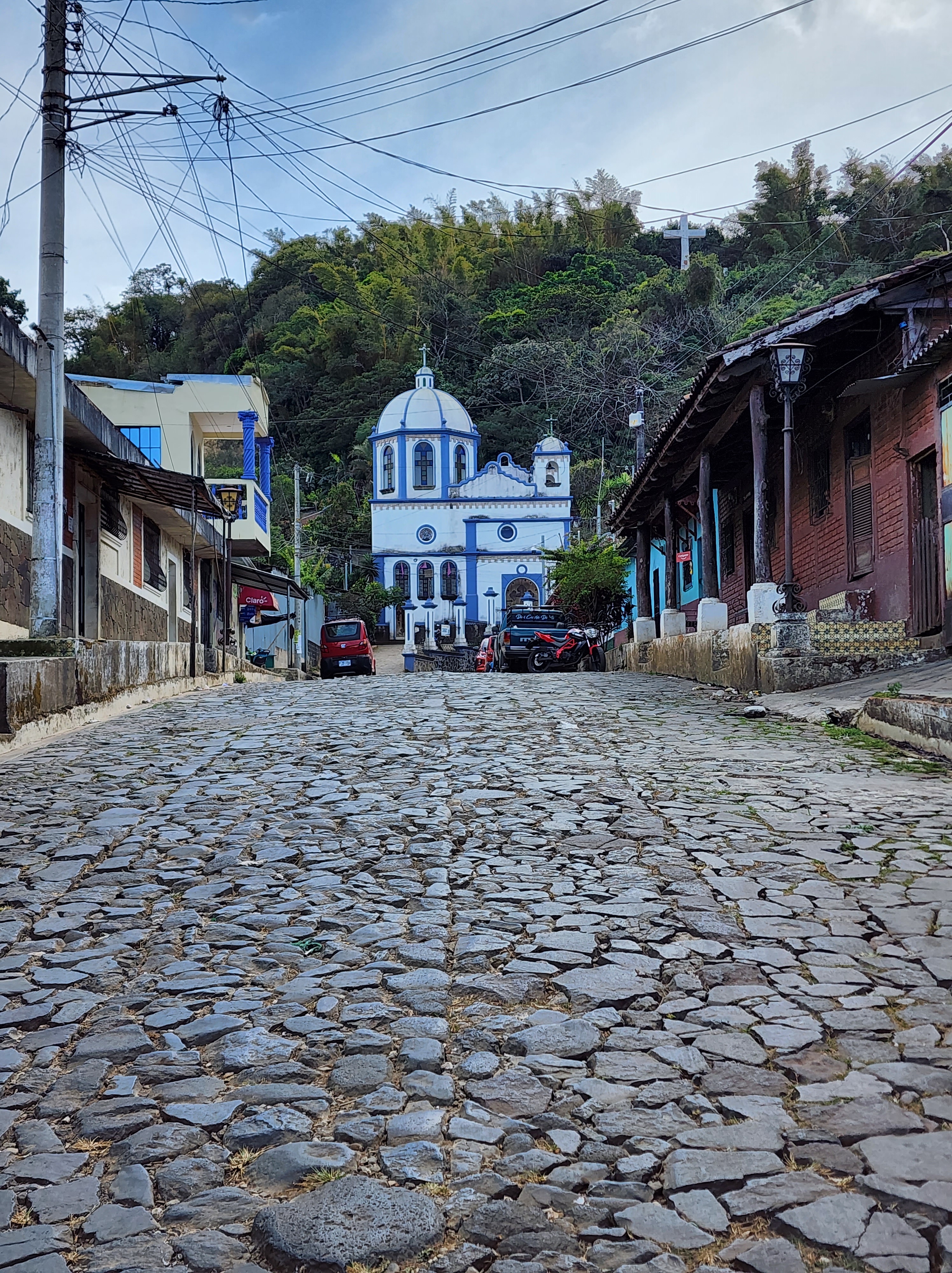
Once you’re here and settled into your accommodation (I really recommend checking out (and checking in to) Hostal Dona Mercedes in Juayua), grab the 249 bus North to Ataco, the westernmost town on the route. Here, check out the vibrant murals covering the streets, have some of the great coffee, and head to the “Mirador” – viewpoint which is signposted right when you walk into town.
After spending an hour or two in Ataco, grab the bus South to Apaneca. Though the town itself is worth a quick stroll, the main attraction here is Cafe Albania and its labyrinth. This spot is literally across the street from the town and is well signposted (really well, you’ll see signs for it all along the Ruta). It’s a cafe and adventure park, where you go in for free then pay for each activity. There’s a canopy bike, a massive slide (that looks oddly like Rainbow Road from Mario Kart), a swing, and the popular maze. The cafe itself offers truly spectacular views too. I did the slide and the maze, and I really recommend them both, but especially the maze. Mind you, make sure you give yourself time to complete it before 6:30, (the last bus back is 6:35). It’s quite tough maze, so don’t be upset if you have to leave without reaching the centre (it took me a bit over an hour. Beat that if you can).
Back in Juayua, spend the evening exploring the city, then get some sleep, tomorrow is gonna be a busy day.
Day 7: Seven for Seven:
“And on the seventh day he rested” That’s a bible verse, and that’s talking about G-D, not you. You are going to the Seven Waterfall trail! This hike is an adventure of its own as you make your way from town (Juayua), through a coffee plantation, to a valley chock full of waterfalls. In truth, there’re a lot more than seven waterfalls here, the hike is named for the seven noteworthy falls you pass. Each fall has its own charm to it, some you’ll have to climb, some are made of red clay which you smear over your skin for some tribal healing (so said my guide at least), some you can climb, and some you can wash off in. Actually, you can wash off in all of them, which is one of the best bits of the hike.
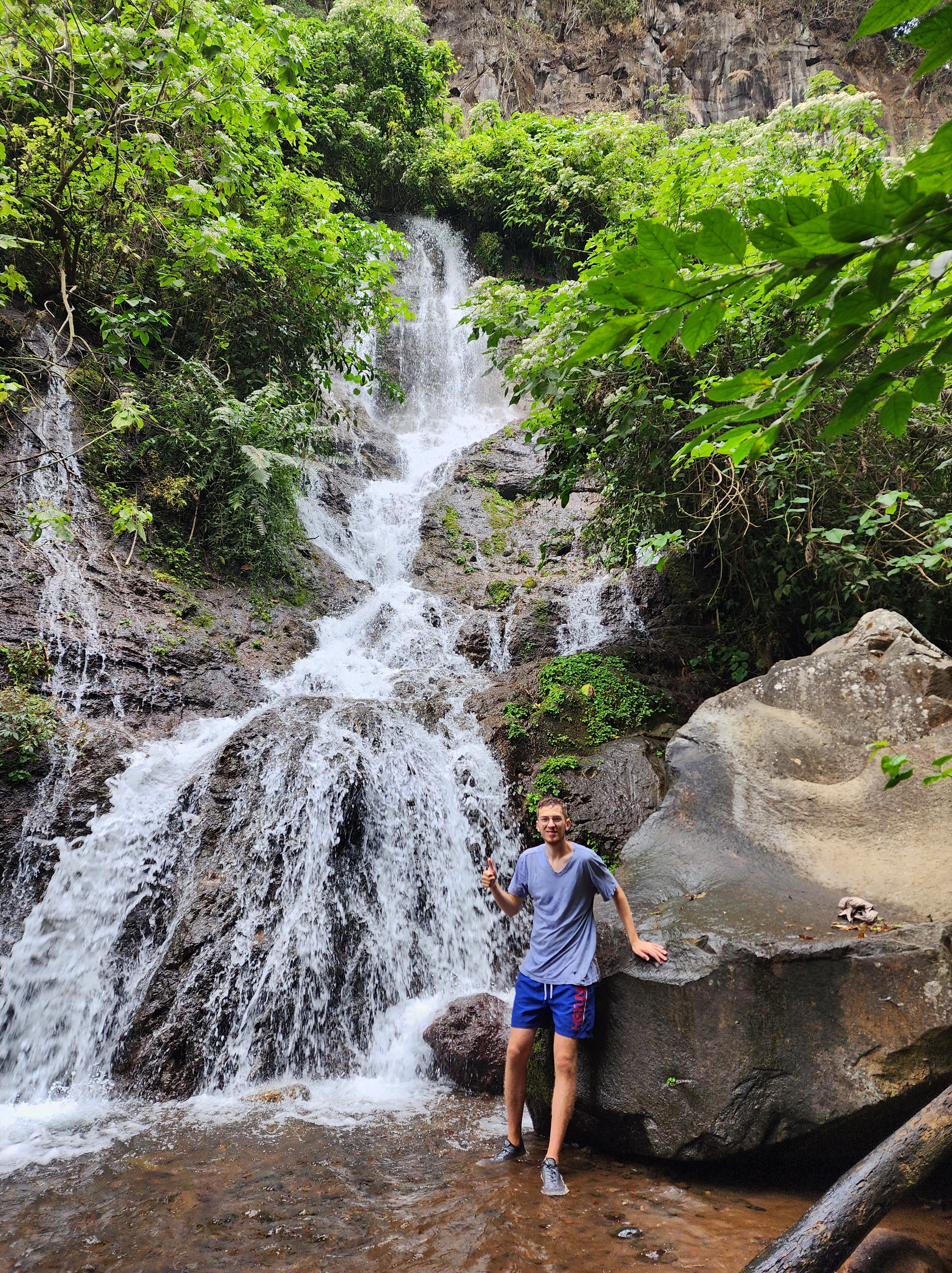
A guide is required for this trail and all accommodation should have a local guides contact. The hike takes around four hours. I must let you guys know, this is not an easy hike. It’s not super long or steep, but there’s lots of mud, water, and clambering over slippery rocks. While you don’t need to be in tip-top shape, be prepared for a rigorous day. That being said, your guide will help you throughout, mine even gave me some rock climbing tips and we climbed an extra waterfall together just for the hell of it. All in all, this was one of my favourite activities in the entire Central America so I really hope you get the chance to experience it too!
On the hike, you’re going to get wet and dirty (and tired). So be sure to wear something that you can walk through water and mud with. When you’re finished, head back to your hostel to wash up and rest if you need. Then, head out on the 249 South to Salcoatitan. This town, whilst definitely pretty, is mostly known as a coffee town, so explore and try some of the different local coffees.
If you have time (and energy), head further south by bus to Nahuizalco, the last town on the Ruta de las Flores. Nahuizalco is the least visited town as there is nothing specific to do there, it’s just a nice town. That being said, the lack of travellers here perhaps make it the most authentic of the towns. I guess that’s just an opinion so why not go decide for yourself.
Onwards Travel to Antigua:
Taking chicken buses from El Salvador to Guatemala is far easier than the trip in from Nicaragua. Firstly catch bus 210 going to Ahuachapan, which costs 90ct and should take between 60 to 90 minutes. When you arrive, walk a couple minutes to the market road where you’ll find microbuses to the border. It’s quite unofficial there so best to ask the locals for the bus to “La Chinamas” or ask for “la frontera” (meaning “the border”). This bus costed me 50ct and took a bit over half an hour.
Once you’ve arrived at the border town, crossing is remarkably easy as they’re clear signs telling you where to go. You’ll first have to get stamped out of El Salvador, which only takes a couple minutes, then you’ll cross the large bridge, walk a couple hundred metres (or you can pay a couple bucks for a tuk tuk/taxi) before reaching the immigration into Guatemala where they’ll stamp you in. This also only takes a couple minutes.
Right after the office there’s a space with some stores and bathrooms. Here you’ll find vans going to Guatemala City. These should cost around 50 Quetzal (like $7), and take around three hours. Make sure to tell the driver or the person manning the door that you need to change to the bus to Antigua. He’ll let you off at a spot in the city where you’ll have a ten minute or so walk to a busy street where you’ll find the bus to Antigua (10 Quetzal, around 90 minutes). Getting to this spot was the one tricky point from my entire day because the van dropped me off a bit early and I had to get a cab for a couple dollars. However this shouldn’t happen to you, and if it does, they’re many taxis to hail as well as the city being served by Uber, which is what I would have used if I’d had any data.
The bus to Antigua goes right to the old town so get off there and you should be near your accommodation. If you’re staying on the outskirts of town my advice would be to get a taxi or tuk tuk.
Well, there you have it. How to spend a week in El Salvador. Of course, you can easily turn this trip into two weeks by adding time on the beaches, staying at the lake overnight, and perhaps a couple more days on the Ruta de las Flores. However long you go for, I hope you see why this country is so underrated.
But it won’t be underrated for long! With the new president of the countries controversial yet effective crackdown on gangs leading to the lowest homicide rates the country has seen in over a decade, a figure that will probably continue to shrink along with many other crime statistics. As the country becomes more and more safe, and it’s economy keeps growing, so will the country’s market for tourism;
So get there now to beat the trend.
And perhaps play a part in setting it.


 Sitch Travels
Leave a comment