
Introducing a new concept; “Not-so-hidden Gems”. The places that are already known and well set up for backpackers, but haven’t yet become mainstays on the average backpackers South Eat Asia trip. These are those spots which it seems like most people skip (they do), but the bunch who don’t are so vocal about how much you missed out, that you get to feeling like you’re the only one who didn’t make it.
Today I’m going to tell you about five such spots which I believe will become absolute nailed on backpacking hotspots in the not so distant future, but for now are still on that rising star trajectory.
I want to make clear that I’m not telling you about places completely off the beaten path, there may be plenty other backpackers here; just not near as many as nearby towns, and not nearly as many as there will be in a few years. Trust me, you want to get to these places fast, before they become the next Koh Tao (not that that’s a bad thing).
Happy Reading!
Nong Khiaw
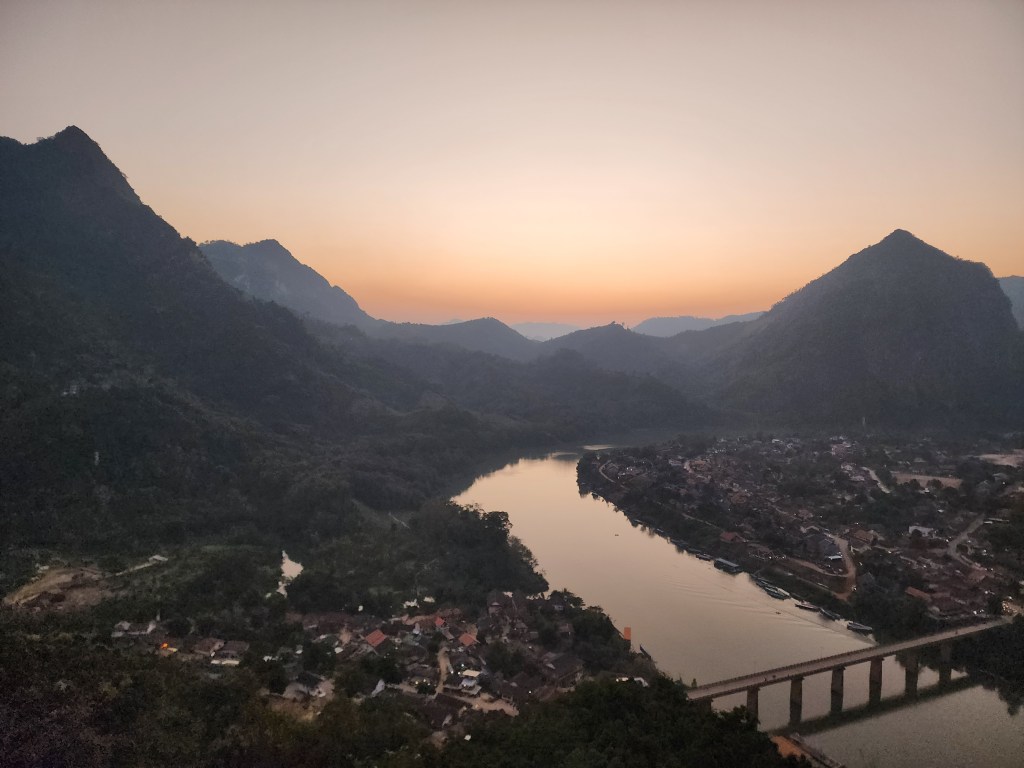
Starting off with what is perhaps the most well-known spot on this list, Nong Khiaw is a small riverside town in Northern Laos known for incredible hiking and kayaking. Most of the town’s hostels aren’t available to book online, and are more like guest houses with dorms. It’s common to just show up in the afternoon and walk around looking for a guest house or home-stay that suits your fancy (and budget). That’s what I did and I ended up with a cosy bungalow for two with river views for just twenty dollars a night. Unfortunately I couldn’t find anyone to share the room with (turns out standing on a bridge and asking people if they want to share a bedroom is considered kinda creepy? 🙃) so I ended up with one bed to sleep on and another to jump on!! Well worth it in my opinion.
Surrounding the town are four peaks you can climb in day hikes, ranging in time and difficulty from a simple thirty-minute hike you can do for sunset/sunrise to four-hour slogs (but the views are well worth it!) Just remember, this is Laos, the world’s most bombed country, so stick to the trails!!
Kayaking on the river is a great way to see the stunning mountain scenery from another angle, or you can even rent an SUP. There are plenty caves in the area to explore, and if you take a moped or bike out and ride along the riverside roads, you’ll find yourself in cute rural villages surrounded by astounding untouched nature.
Another thing to do in Nong Khiaw is to embark on one of the many overnight adventures available from the tourism companies scattered around town. You can camp on one of the peaks, do a three night jungle trek, stay in a tiny riverside village, or even kayak halfway back to Luang Prabang! You can even do a mega mix of these activities! Just walk around town and speak to different tour organisers, each have slightly different itineraries and available tours, and since you don’t have to book these more than a day in advance, it’s worth it to discuss them with the pros and choose an adventure that suits what you’re looking for. I kayaked back to Luang Prabang and it was an incredible experience through and through!!
To get to Nong Khiaw from Luang Prabang you’ll have to take a two to four-hour mini-bus that’ll… PraBANG you up real good. In fact, this road itself is a big reason as to why Nong Khiaw perhaps isn’t as popular as it could be. Thank God for that. The chance to explore such untouched nature means Nong Khiaws’s backpacking scene is growing quickly! For now though, it’s still a sleepy town basking in scenery worthy of the Louvre.
Don Det (4000 Islands)
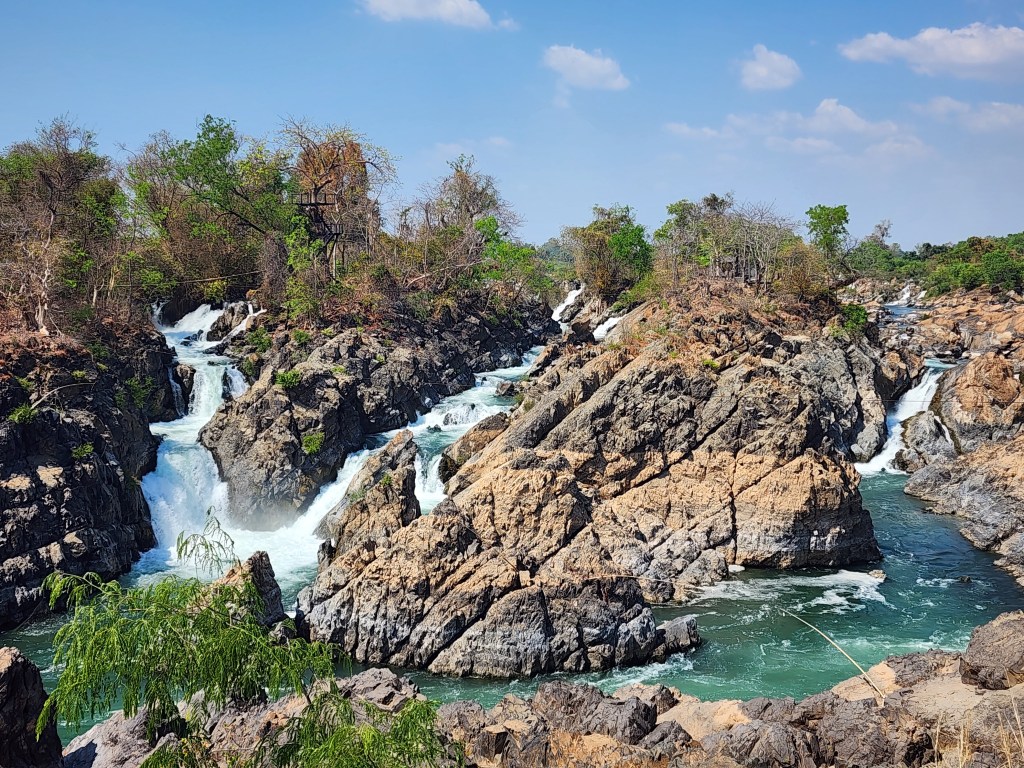
Ah Don Det, I think about you on the daily.
Don Det is one of an archipelago of islands on the Mekong River (the hints in the name) in Southern Laos, right on the border with Cambodia. It’s one of those places that you may not hear about while researching for your trip, but you’re sure to hear about once in the region. The only reason Don Det is often overlooked is because many travellers simply skip the entire Southern and Central Laos and move straight to Cambodia or Nothern Vietnam. BIG mistake: Besides for the incredible Don Det, you’ll also be missing out on Pakse and the Thakek Loop, both of which I could have easily writen about (but then again, that could be said about the entire Laos).
Don Det has so much to do, but that’s not why you should be going. The best thing to do in Don Det is: Nothing.
There’s no better place, in the entire world, to just laze around. Here’s a rough idea of my daily routine over my five days in Don Det:
10:30 a.m – Wake Up
11:00 – Get a simple breakfast and sit sipping coffee and talking/reading/journaling for two hours.
1:00 p.m – Head next door and get lunch, then buy a smoothie and sit around talking/listening to music/playing cards for a few hours.
4:00 – Head next door, get an ice cold drink and spend a couple jumping off the cafe balcony and swimming in the river.
6:30 – Head (again, probably next door) to a sunset spot, and get dinner and drinks.
8:00 – Go to a bar with some great live music/a pool table/board games, and chill there for a few hours
12:00 a.m – Head back to your guesthouse and go to sleep.
That was pretty much my day to day, with the only thing I ever did different was that one day me and a few friends I’d made throughout Laos rented bicycles and made our way to a nearby waterfall (super cool). At the waterfall… we chilled with smoothies.
Like Nong Khiaw, most accommodation on Don Det isn’t available online, so the best way is to just show up, walk down “sunrise side” or “sunset side”, and ask if you can see rooms/hear rates until you find a place you like. Rooms in Don Det are quite cheap, I found a basic but decent private room for the equivalent seven USD a night.
All in all, my memories of Don Det are amongst the fondest from all my travels, and I can’t recommend this beautiful place enough.
Kampot
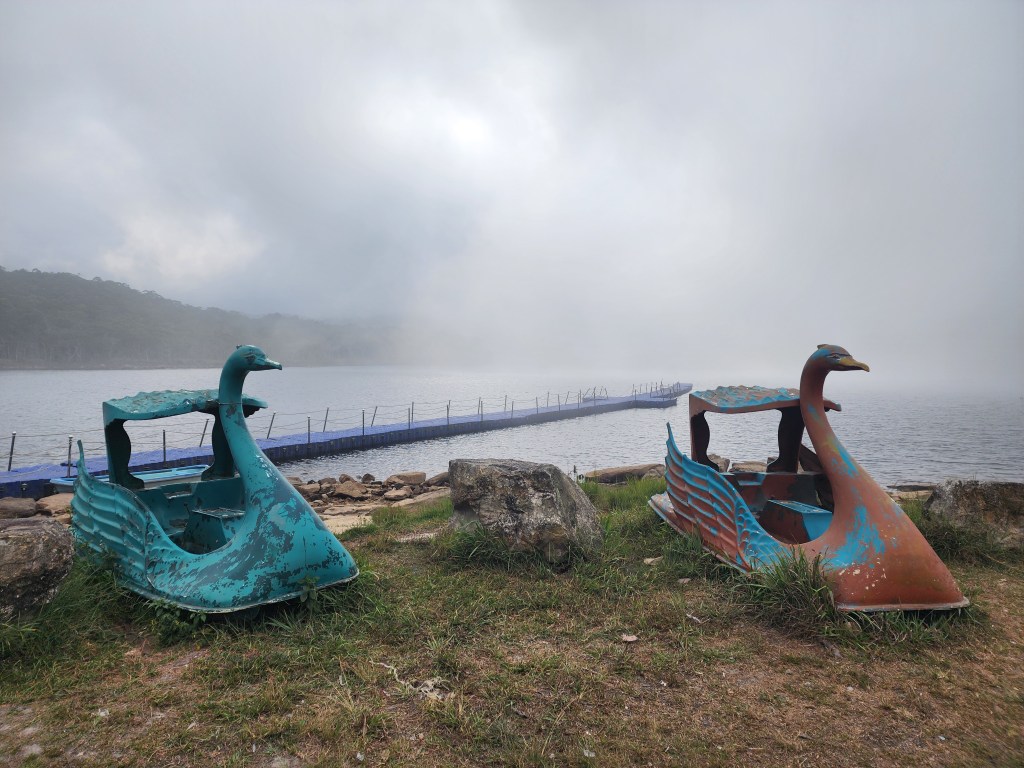
Kampot, on the Cambodia’s southern coast, is perhaps most well known (at least amongst backpackers) for Arcadia; a hostel with a water park. But, though Arcadia definitely is a blast, there’s just so much more to Kampot to discover! From ghost towns to crab markets, river beaches to spice farms, Kampot is an area you’ll end up spending far longer in than you expect, I can almost guarantee that.
As in most of Cambodia, there are plenty exceptional hostels aside from Arcadia, which, though an absolute blast, isn’t known for its comfortable rooms. Some of the best include:
The Vibe Guesthouse
Monkey Republic
Onederz Kampot
Karma Traders
Kampot is a simple three-hour bus ride from Phnom Penh, and from there, it’s only three hours by van and ferry to Vietnam’s tropical island paradise: Phu Qouc.
Mu Cang Chai
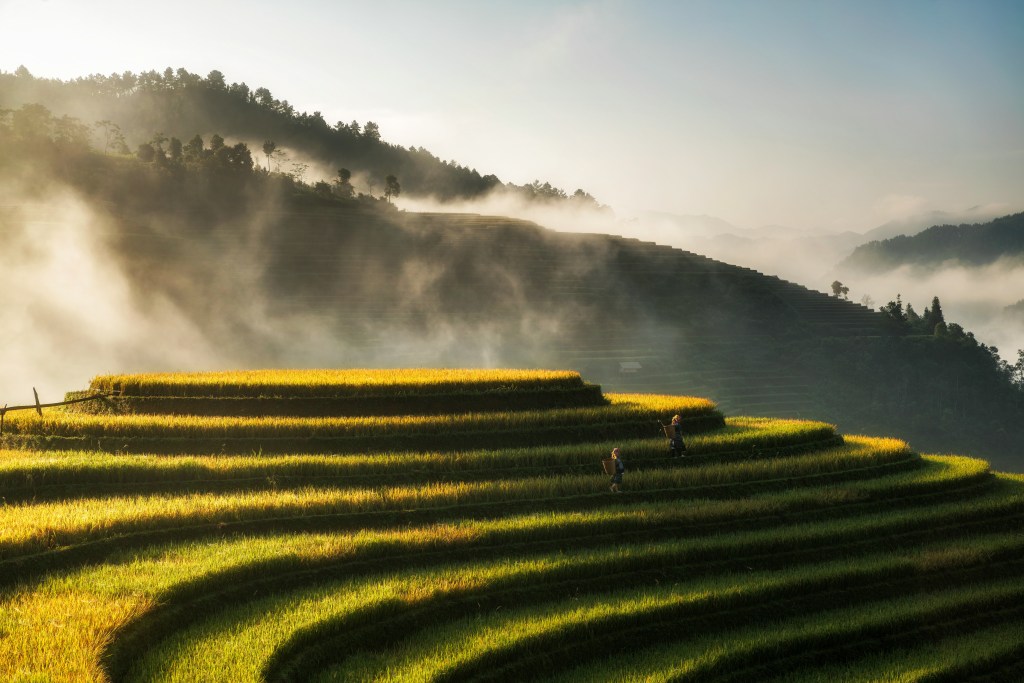
When planning a trip to Northern Vietnam, one of the first places you’re likely to jot down as a must-visit is likely to be Sapa. The vivid green of the tiered rice paddies is an instantly recognisable sight that perfectly encapsulates the image of South East Asia. The only problem is that because of just how unmissable Sapa has become, it , in turn, has become quite a tourist hot-spot, taking away a bit of the rustic and peaceful feel you may be hoping to experience. That’s where Mu Cang Chai comes in.
In between Sapa and Hanoi, Mu Cang Chai is a district much like Sapa in terms of landscapes as being a great place to witness the unique culture of the H’Mong people. The rice fields, mountains, and forests make for an incredible base for trekking and outdoor adventure sports; with activities such as paragliding and bathing in hot springs especially popular. Of course, like in Sapa, my number one recommendation is to stay at a local homestay, which includes trekking between villages with your host. It’s an amazing way to experience the culture and nature of the Mu Cang Chai with the guidance of someone who’s lived there their entire life. The H’Mong guides are incredibly friendly and knowledgeable and trekking with them was one of my personal highlights while in Northern Vietnam.
In Mu Cang Chai you can choose to stay at either a snazzy resort, or in a local homestay, the options are vast and growing by the year.
Cao Bang (and the Ba Be Lakes)
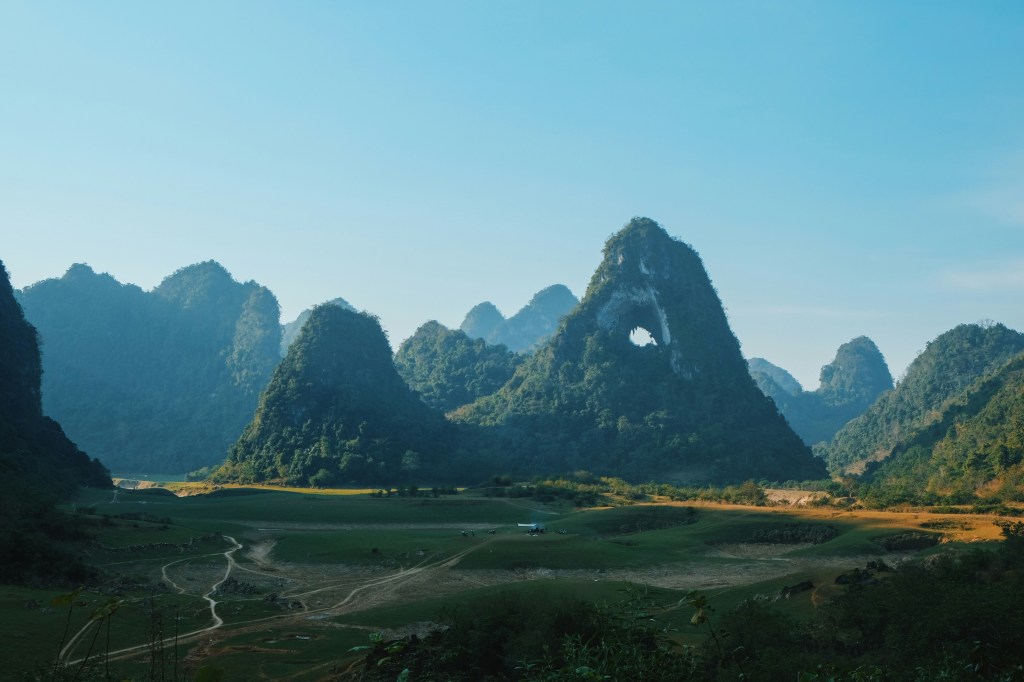
Northern Vietnam is the gift that keeps on giving! North East of Mu Cang Chai, just a stones throw away from the Chinese border, lies a nature enthusiasts paradise, Cao Bang. With views of striking karst cliff faces to rival the Ha Giang Loop itself (which in my humble opinion, is the most beautiful place on earth), never-ending caves, and South East Asia’s largest waterfall; Ban Gioc!
The undoubted highlight of the Cao Bang area, Ban Gioc is a gargantuan waterfall series as beautiful as it is immense. Sitting on a bamboo raft, watching the many sheets of frothing white water crash down, set against the majestic forest covered mountains, is a truly breathtaking experience.
Other things to do in Cao Bang include touring the massive Nguom Ngao Cave, exploring the Thang Hen Lake System, and visiting Pac Bo Historical Complex; where Ho Chi Minh began his revolution.
If you have time, spend a couple days on the nearby Ba Be Lakes, Vietnam’s Khao Sok. Stay over the water in a homestay on stilts, take a boat tour around the parks main sites, rent dugout canoes or kayaks to further explore to your own speed, and take on some of the nature trails around the lakes.
You can get to Cao Bang via bus from Hanoi or Cat Ba, or… better yet, you can visit the area on an extended version of the Ha Giang Loop! Many of the Loop organisers, including my absolute favourite “Bong”; lead extended tours which includes a couple days riding around Cao Bang and the Ba Be Lakes. Better yet, rent a bike and ride there yourself! An opportunity and adventure of a lifetime if you ask me!


 Sitch Travels
Leave a comment