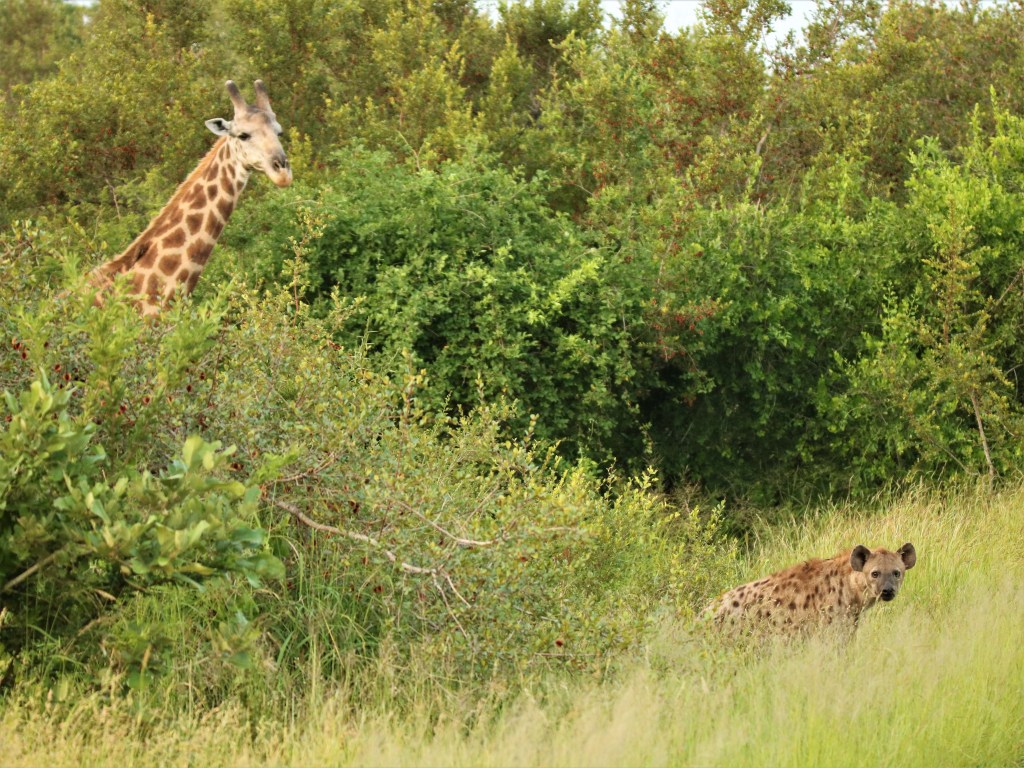
One of the world’s most famous and popular safaris, South Africa’s Kruger National Park is a classic bucket list item for the chance to spot the big five as well as the unique “Little five”, many nocturnal animals, beautiful birdlife, and much more. In this guide, I hope to give you a head start on planning your trip to one of nature’s most incredible hot-spots.
Where
Kruger is absolutely huge! At 7,576 sq mi it’s nearly as big as Wales or Israel! Obviously at such a big size there are many different points of entry and many ways to get there. For simplicity’s sake I’ll focus on the southernmost sector of the park which is closest to the big cities of Johannesburg, Pretoria, Durban, and Maputo, all of which have international airports. Kruger is a two hour drive from Maputo, Five from Johannesburg and Pretoria, and eight from Durban. There are also a few smaller airports in the smaller surrounding towns.
When
Kruger is a joy to visit year round. The summer is the rainy season here, so while it is far hotter, rain is far more likely. During the rainy season the grass grows very high, making it slightly harder to spot game (you’ll still spot a ton though so don’t worry). In the dry season sightings are easier to come by as the animals congregate at the waterholes. The dry season is far more expensive and can get relatively crowded. My latest trip to Kruger was in the rainy season and I felt the timing was great as the park was quite empty, the lodging was far cheaper, and we still sighted loads of game including the entire big five! A small advantage in the dry season is that malaria pills are not needed (see my What To Bring section further down)
How
Of the many ways to experience Kruger, self driving is by far the most popular option. Spending a full day on the road may sound tiresome and boring but with new sights around every corner and so many different areas to explore you’ll wish the day was longer. There are camps dotted around the park with gas stations, food, restrooms, and souvenirs. After dark when driving is prohibited, there are guided game drives provided by the park at a good price for a chance to see the park’s nocturnal animals. In between my one evening tour (3 hours) and one night tour (2 hours) I got chased by an elephant at 60 km/h, came across the extremely rare African Wild Cat, and spotted no less than four leopards! (Leopard sightings are quite rare and seeing more than one in one day is basically a miracle!) There are also game drives throughout the day as well as guided walks, which can be booked at each camp.
Who
Anyone can (and will) enjoy Kruger. Just be ready to spend a lot of time sitting in a vehicle.
Why
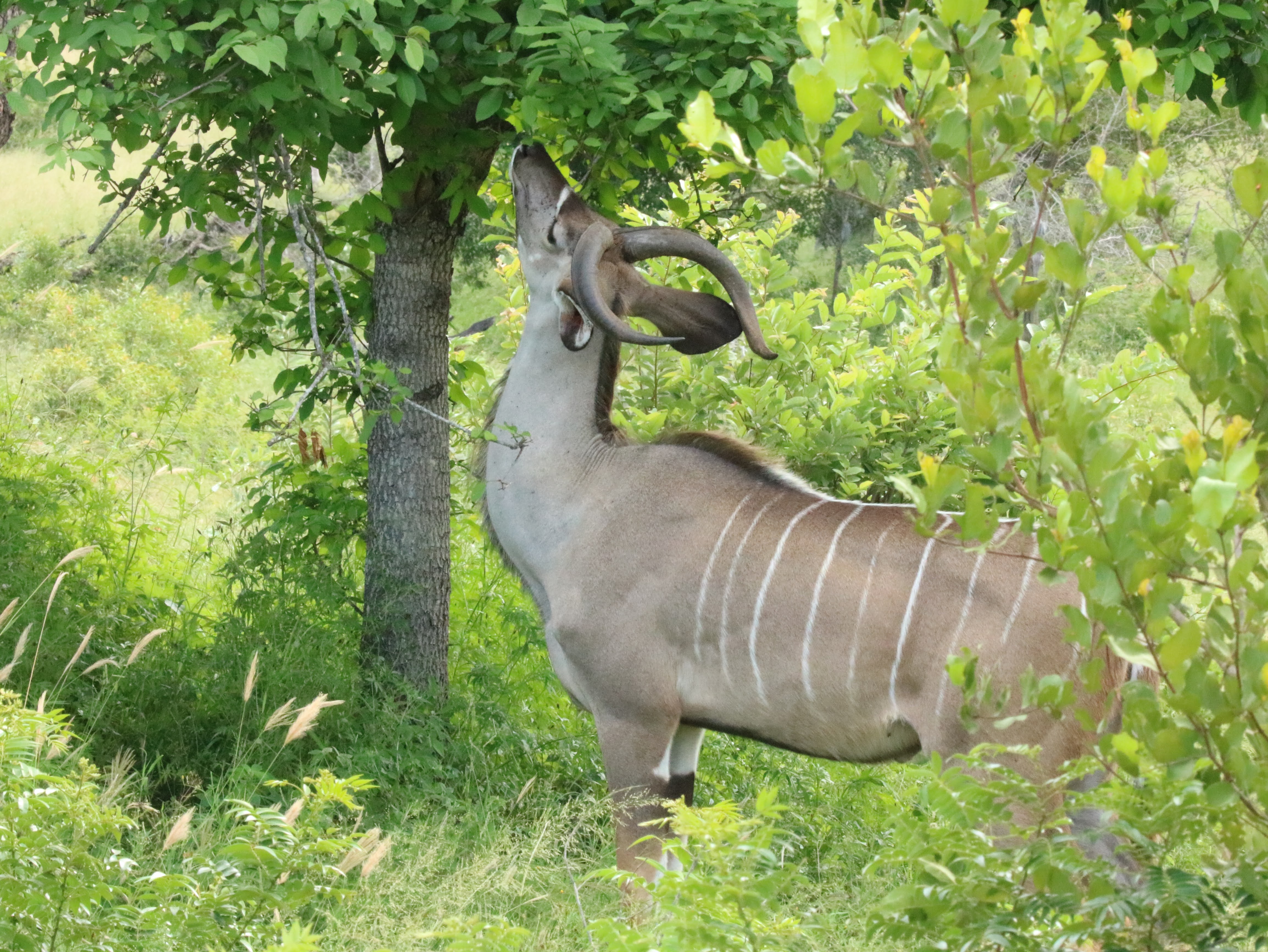
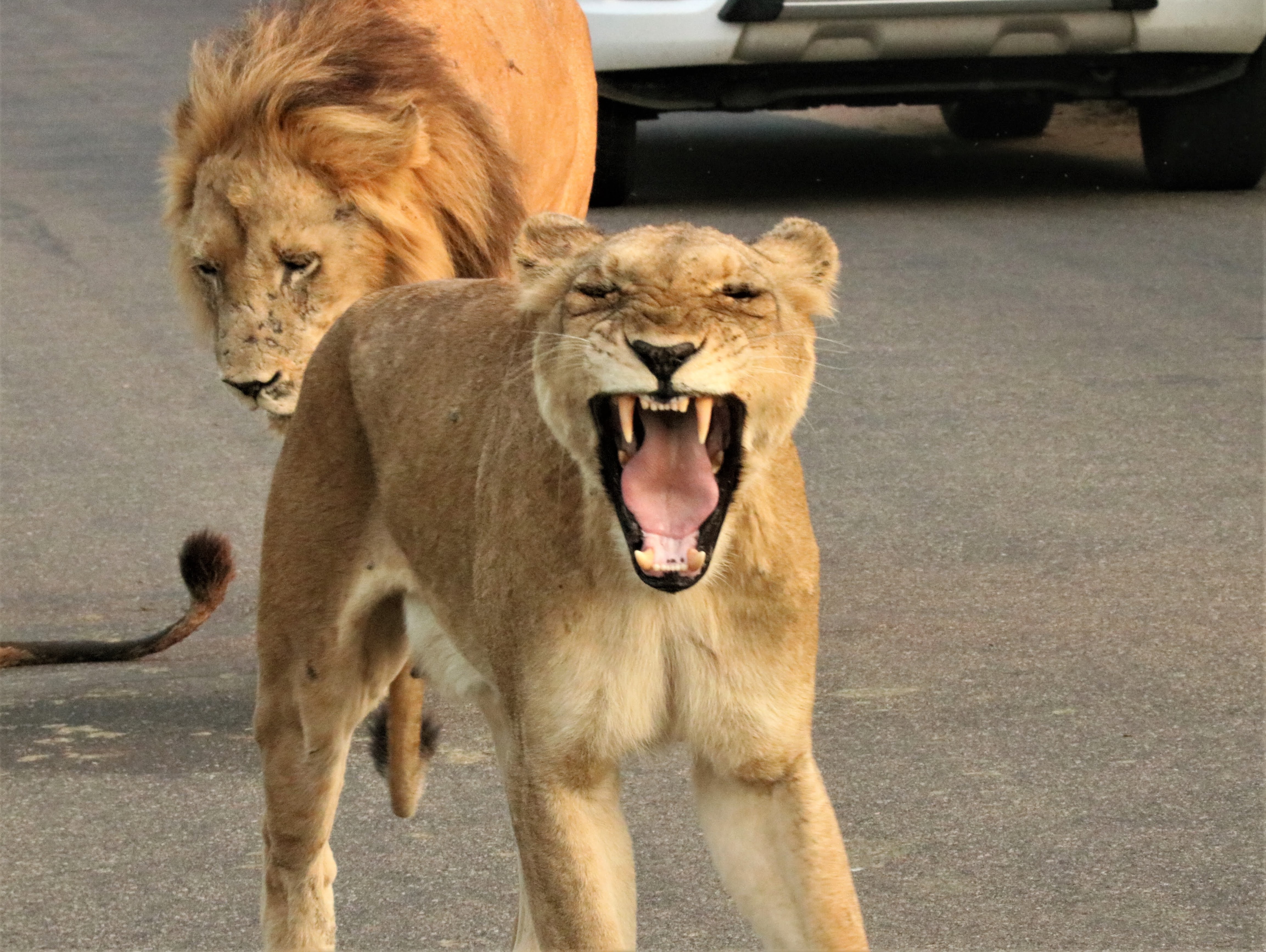
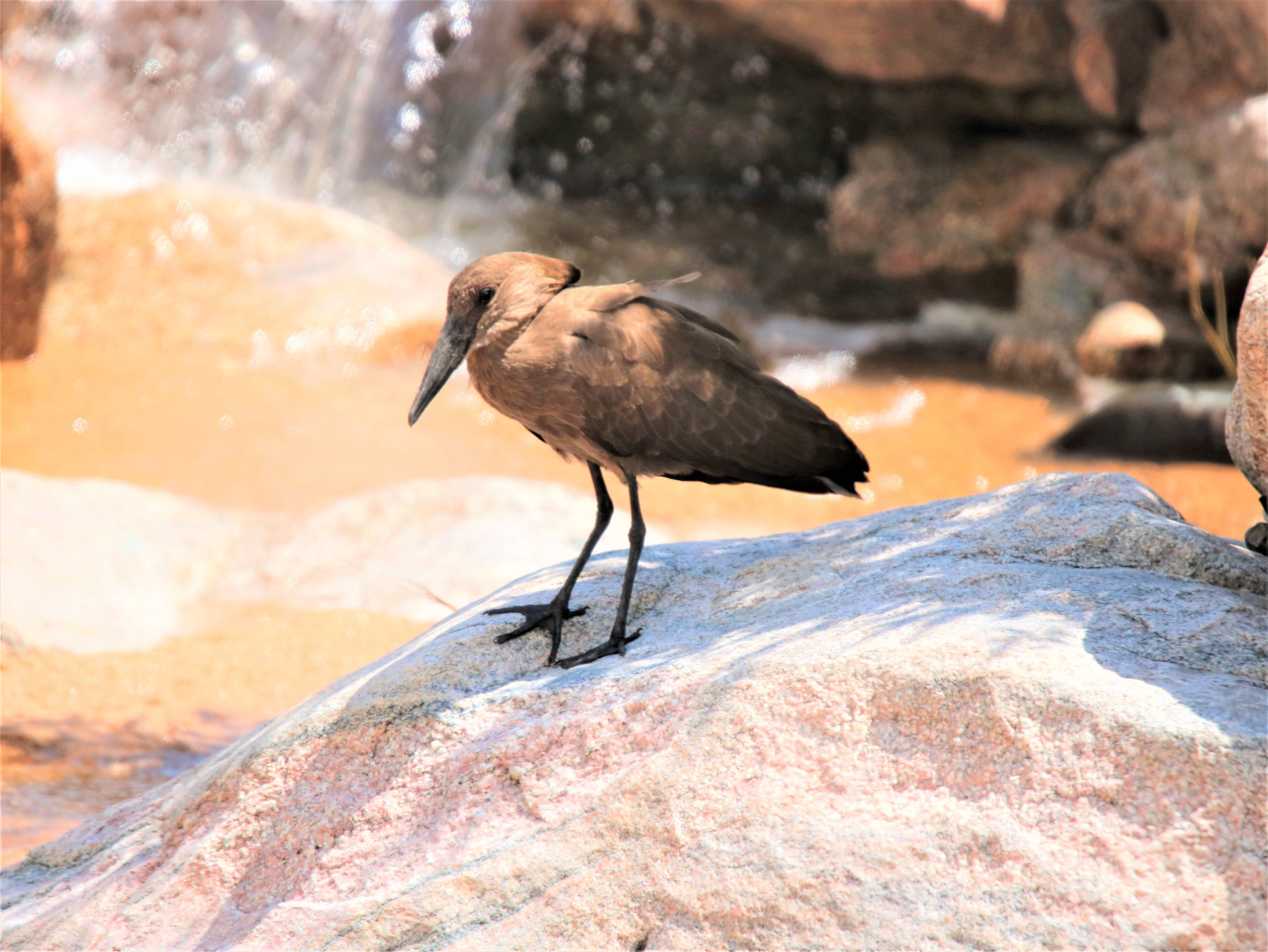
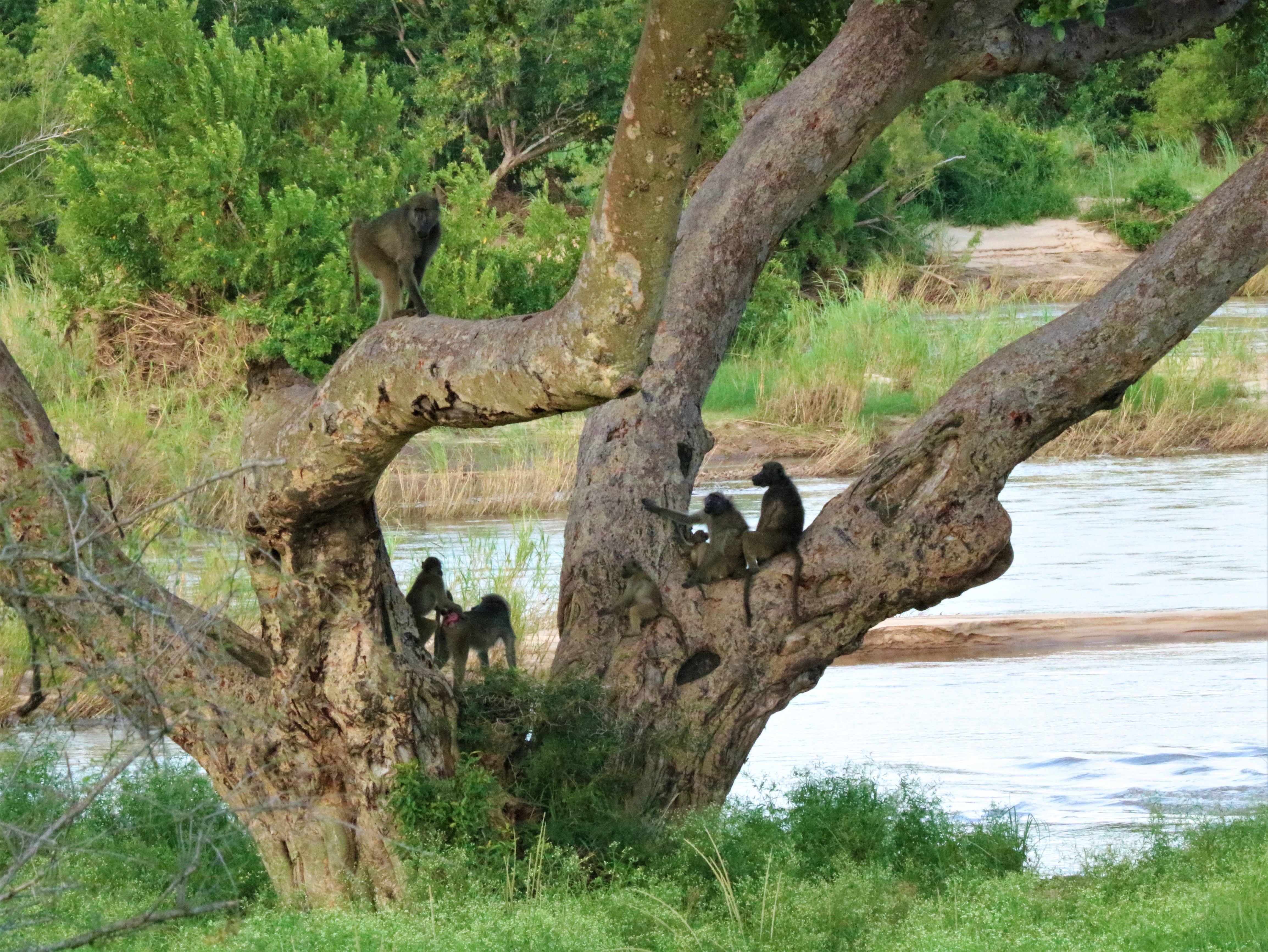
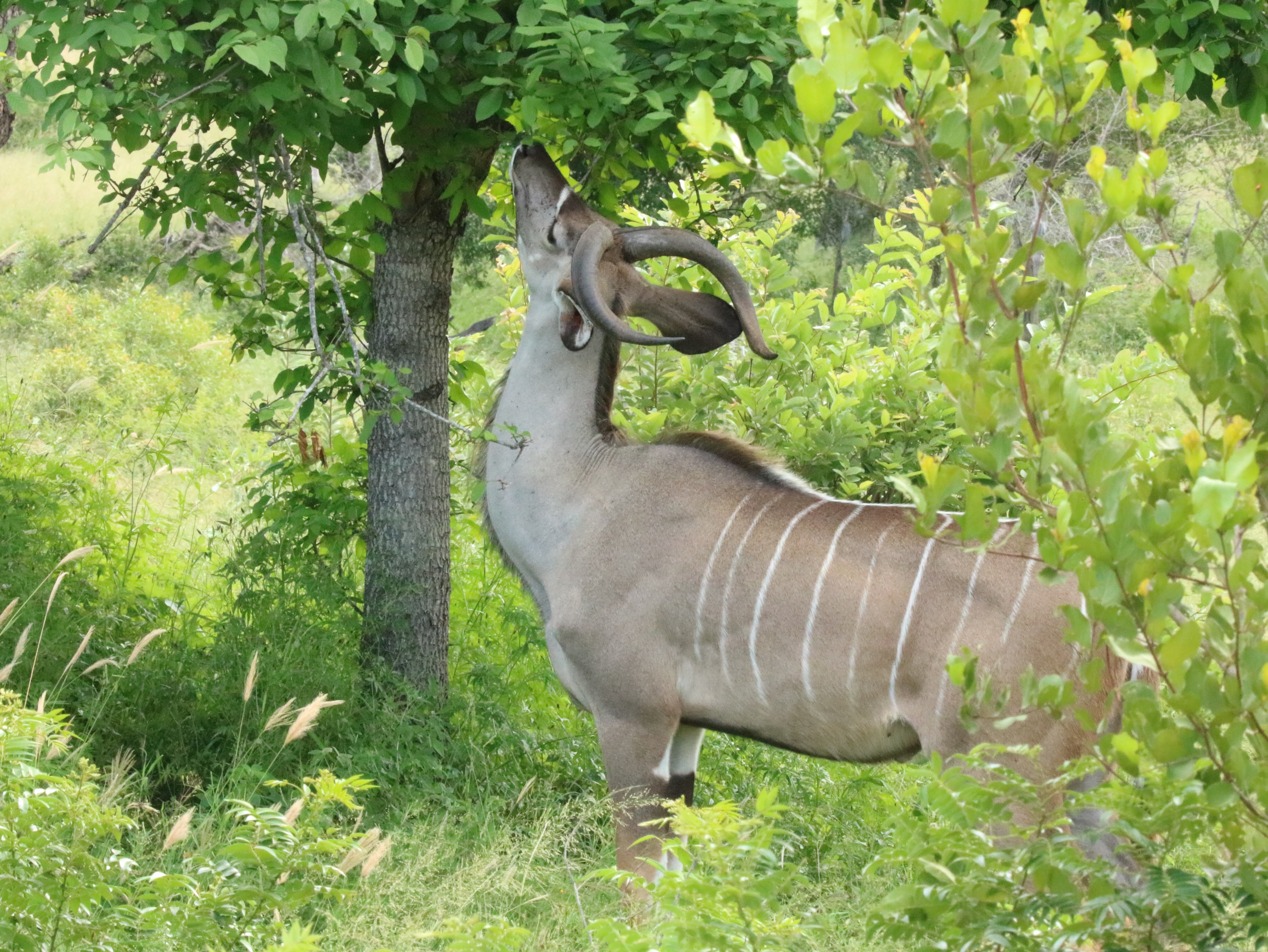
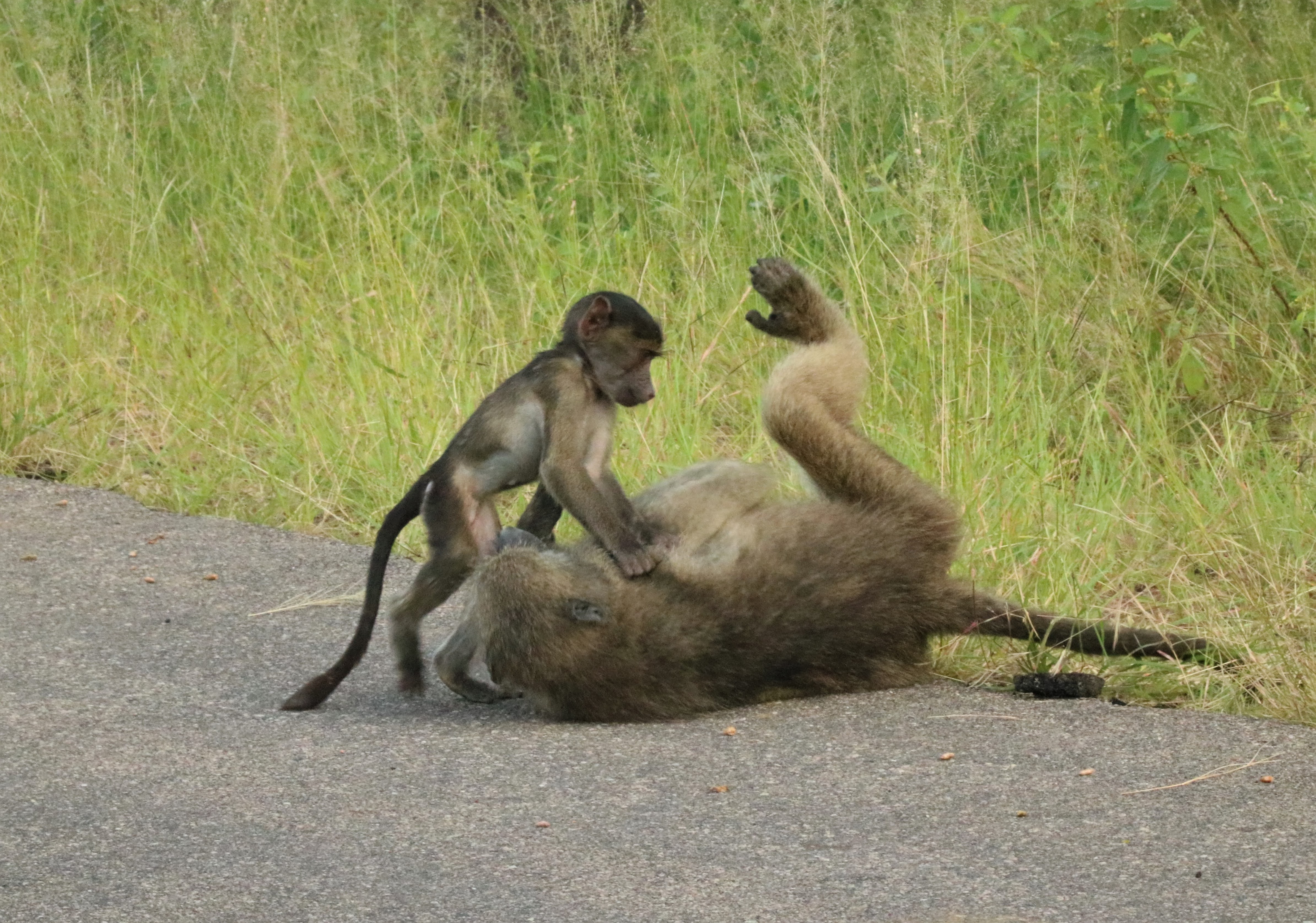
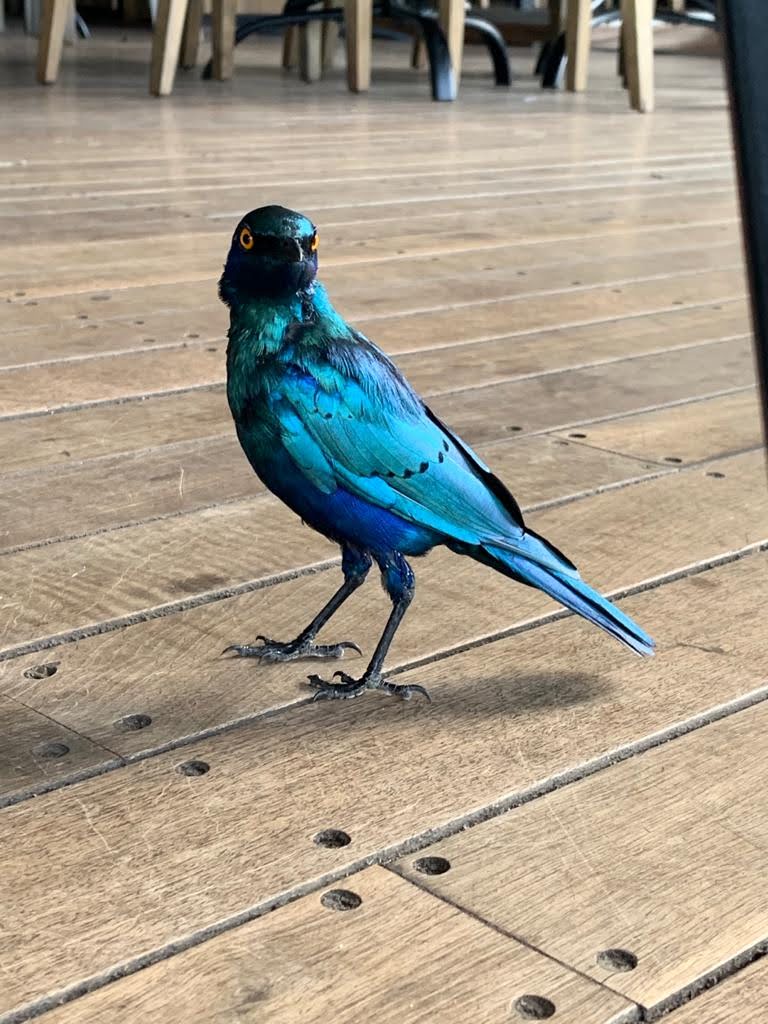
Kruger is a once in a lifetime trip that you’ll be talking about as long as you live. If you still need convincing, check out these pictures which were all taken by me and my friends from one vehicle over just three days in the park.
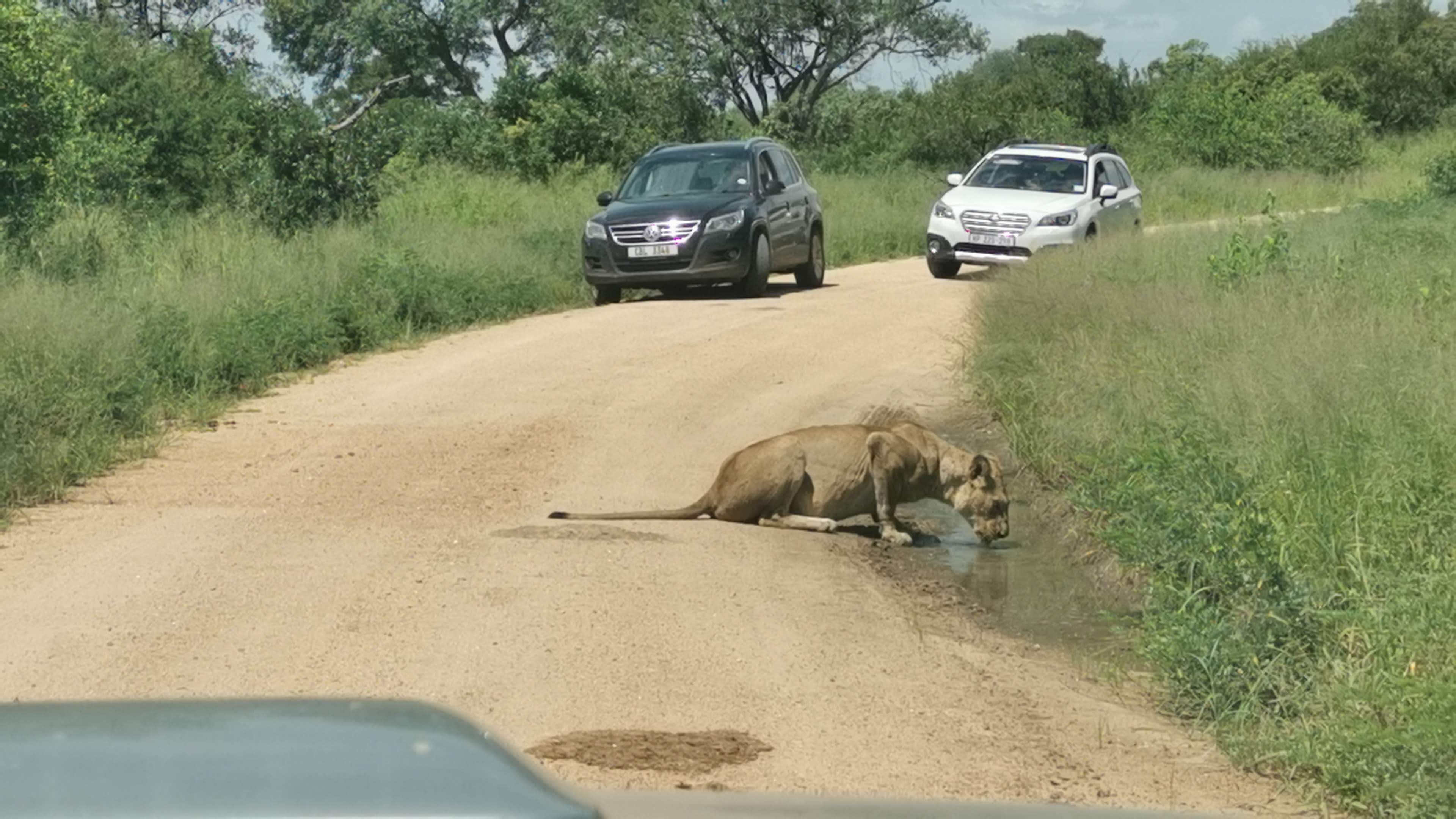


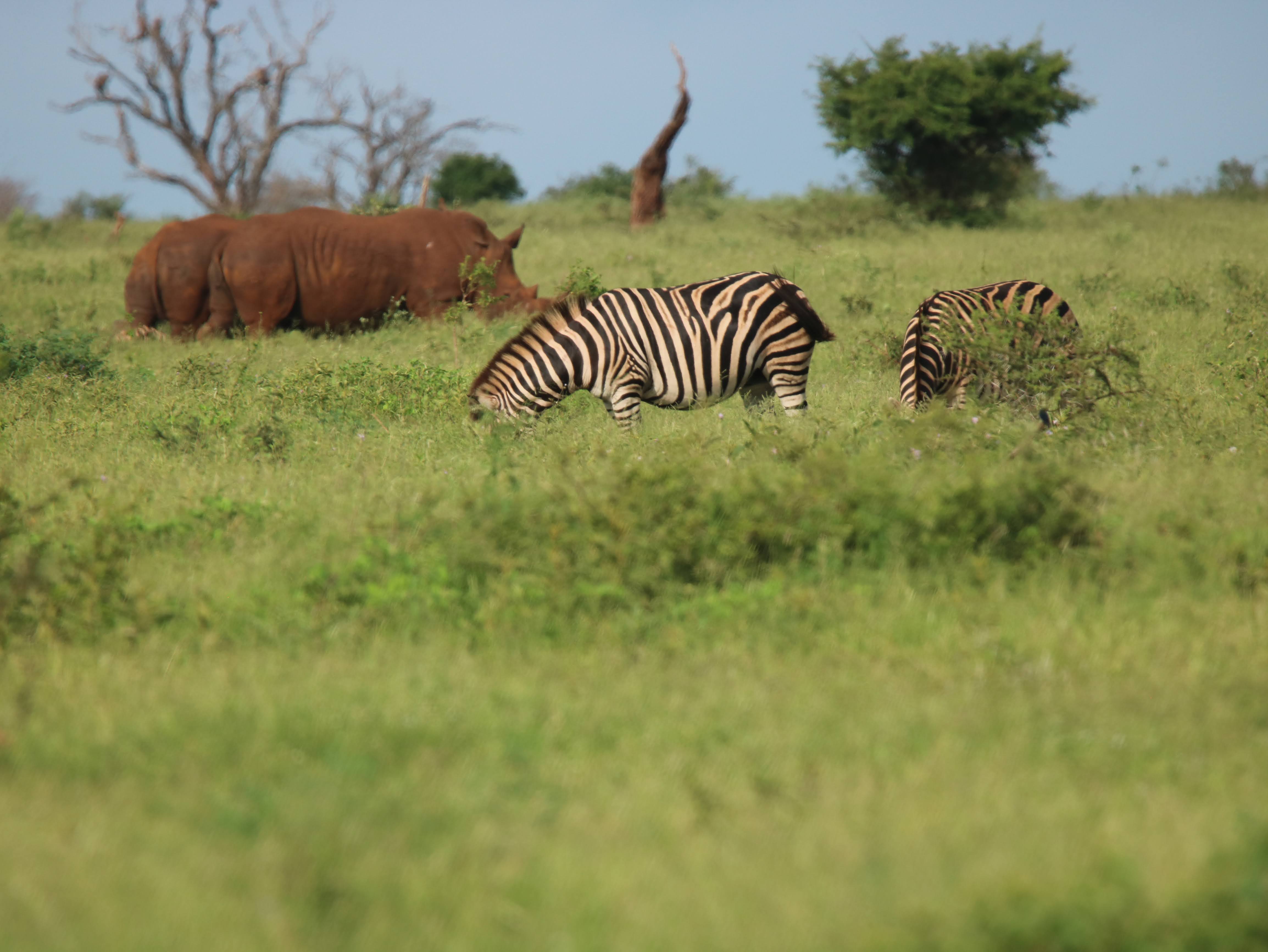

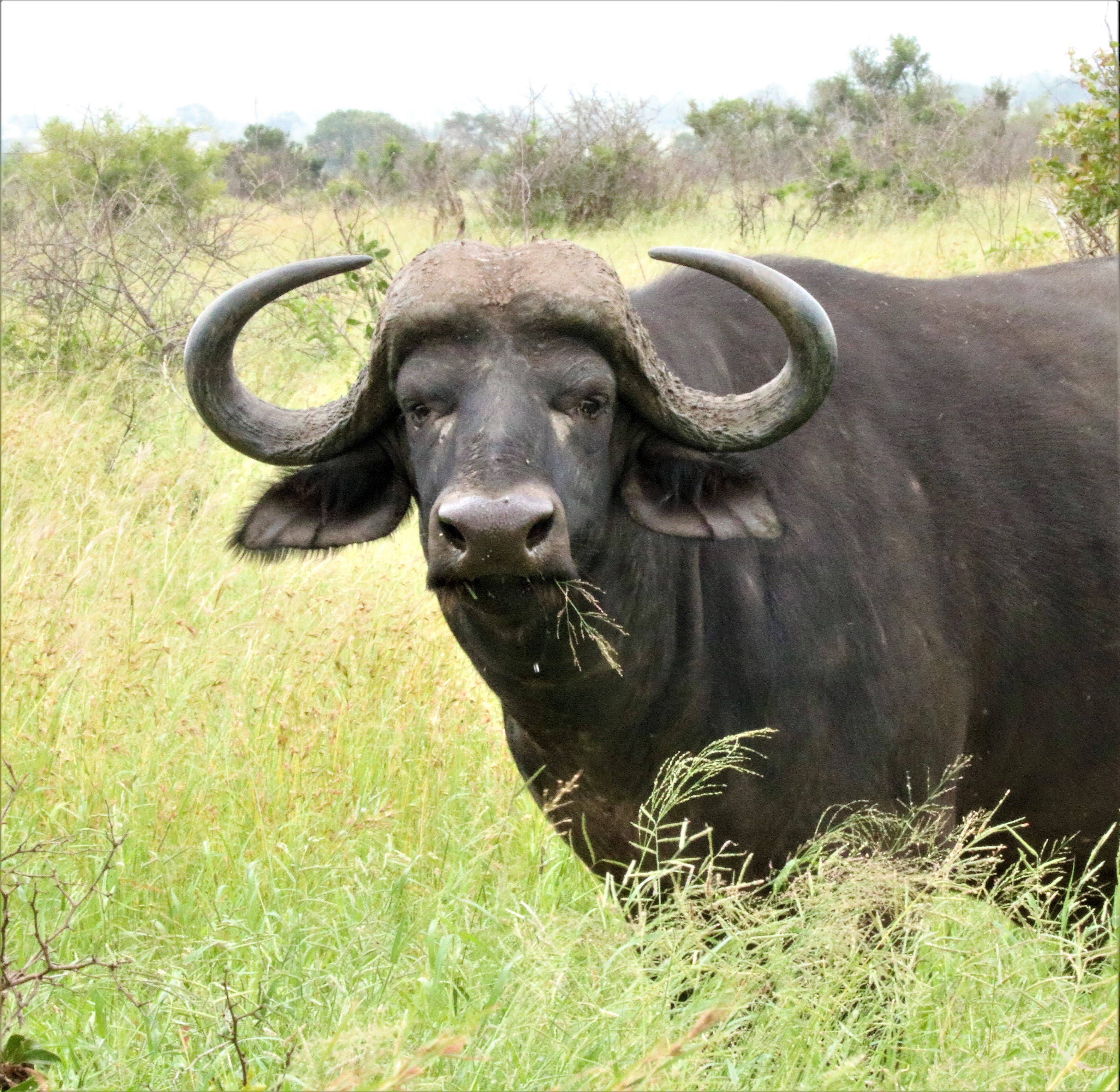

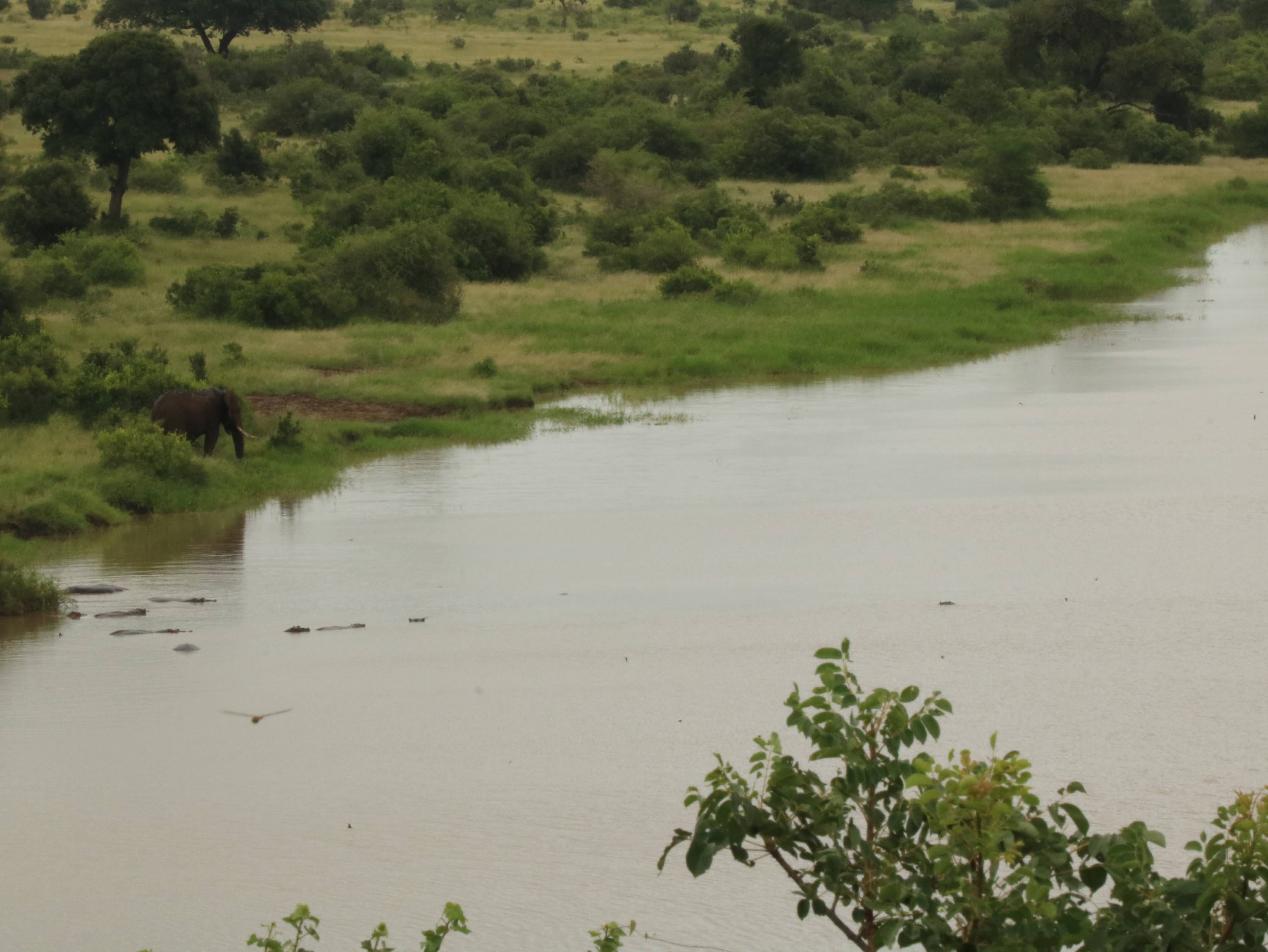
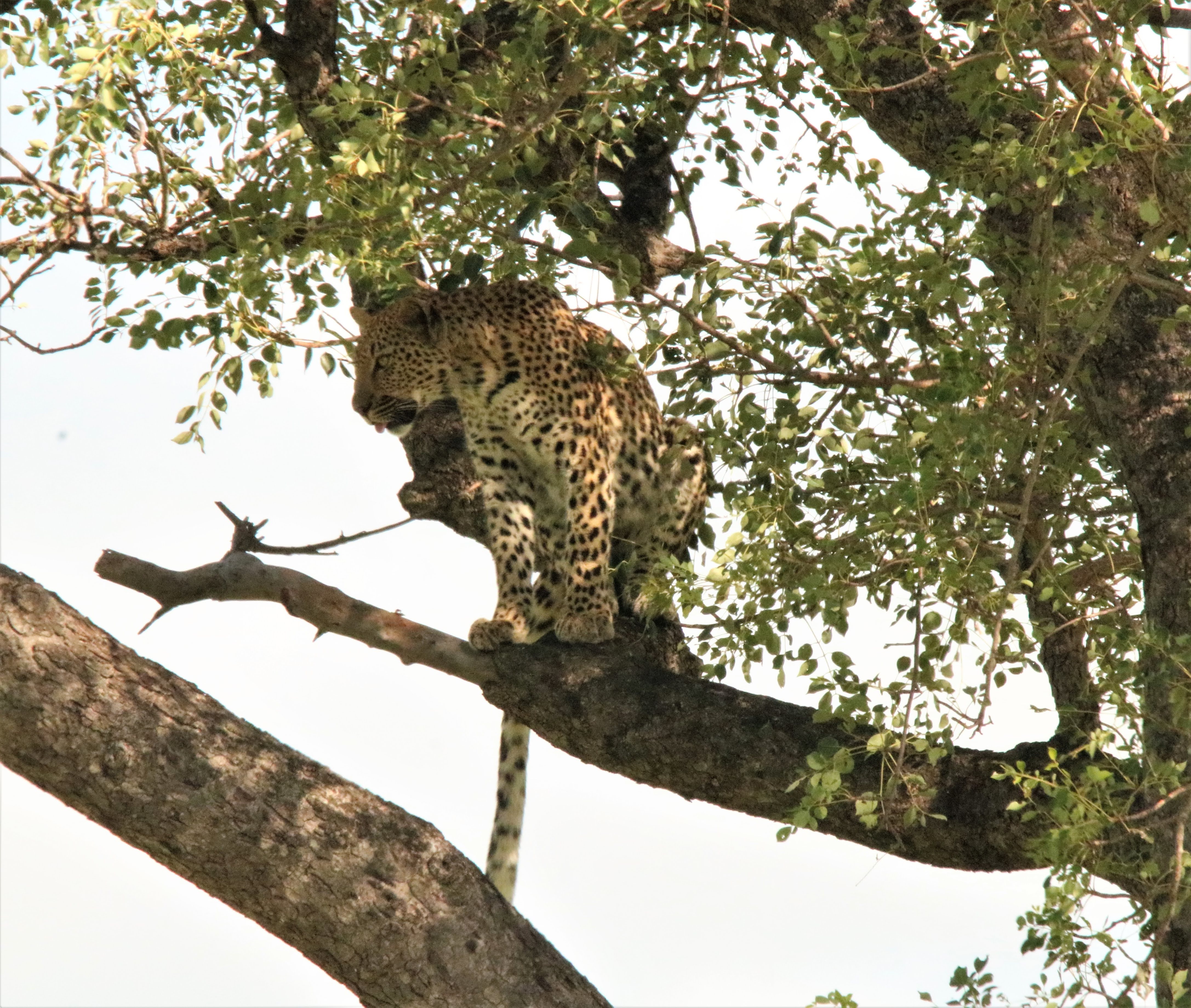
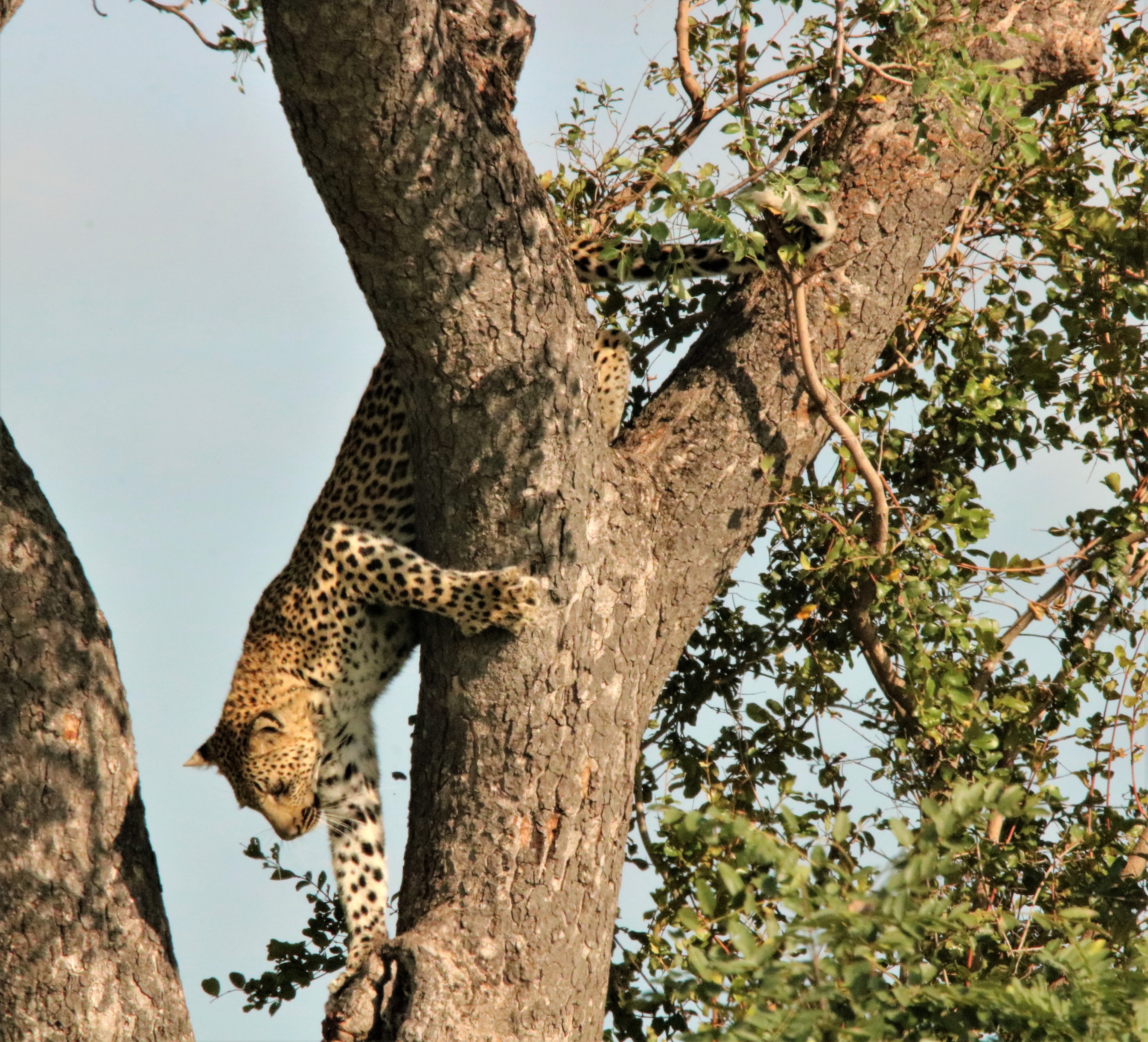
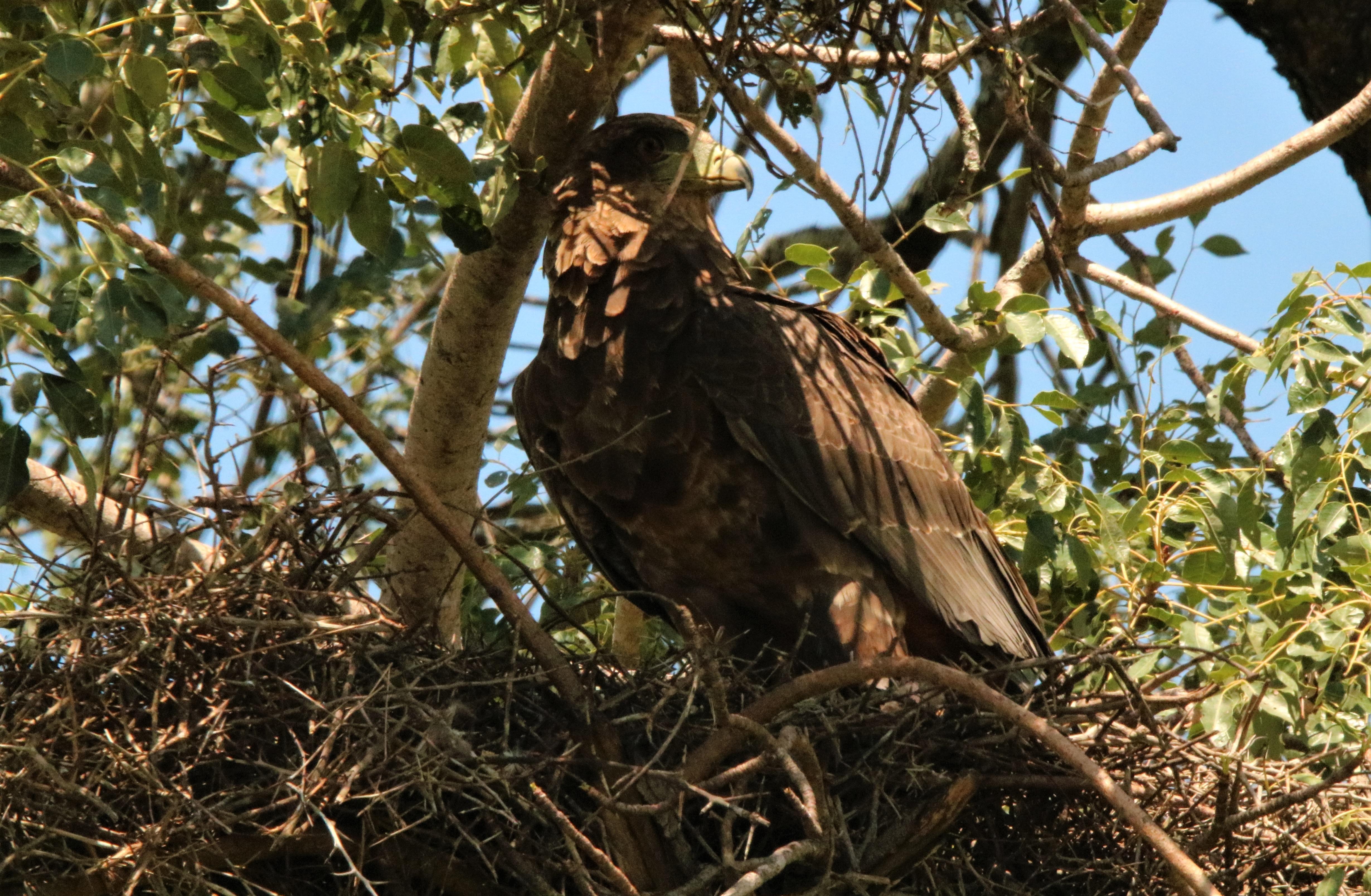
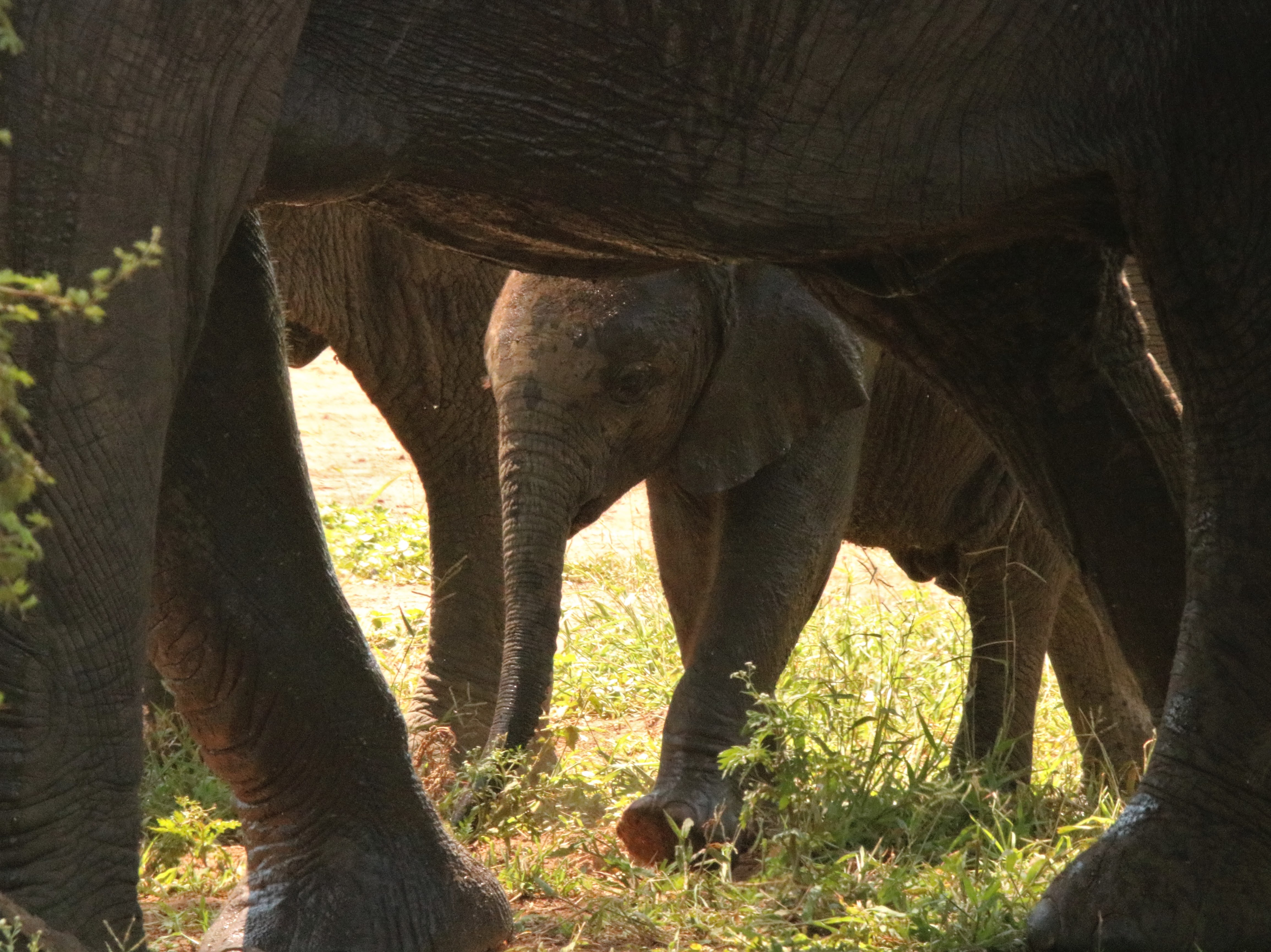

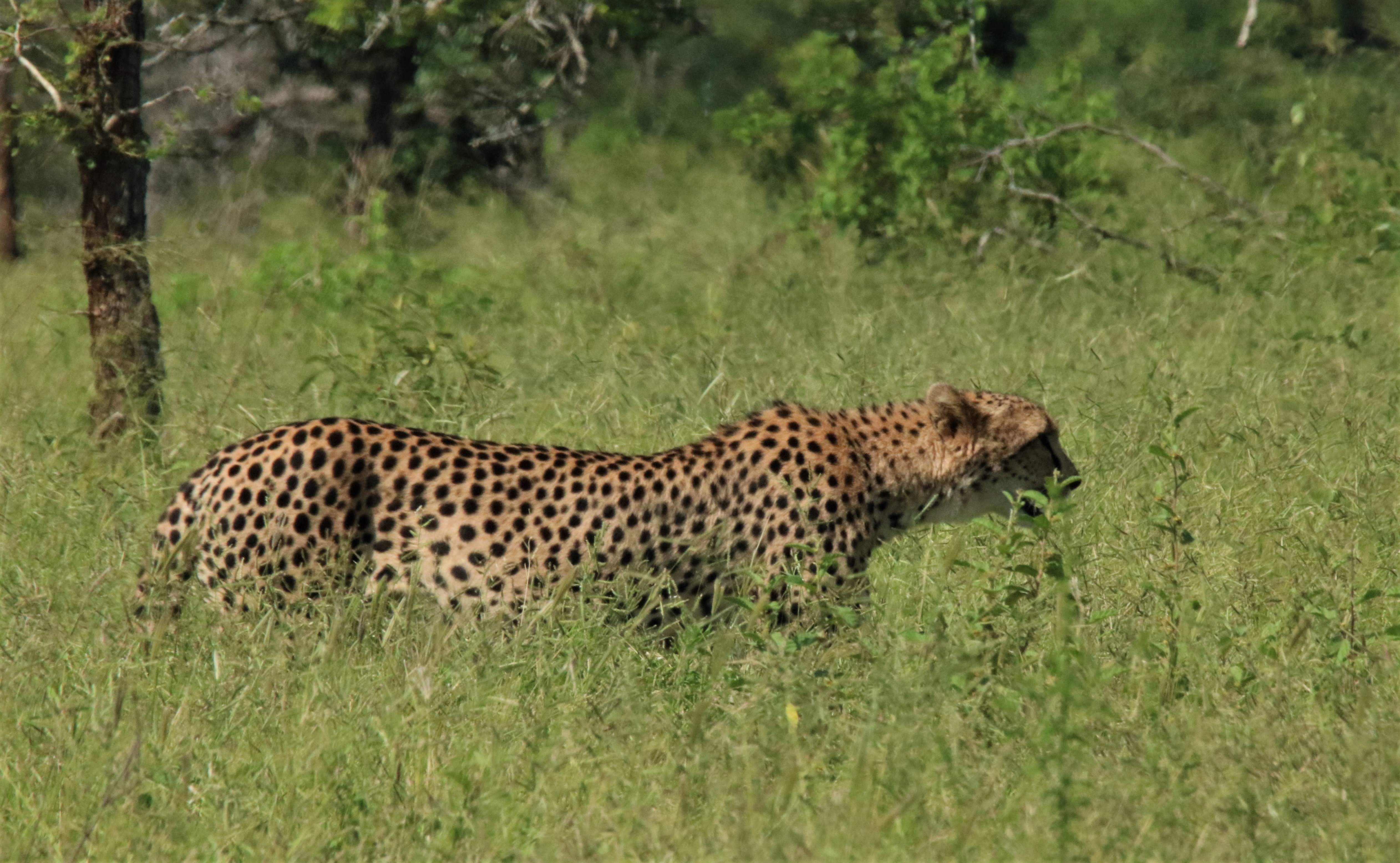


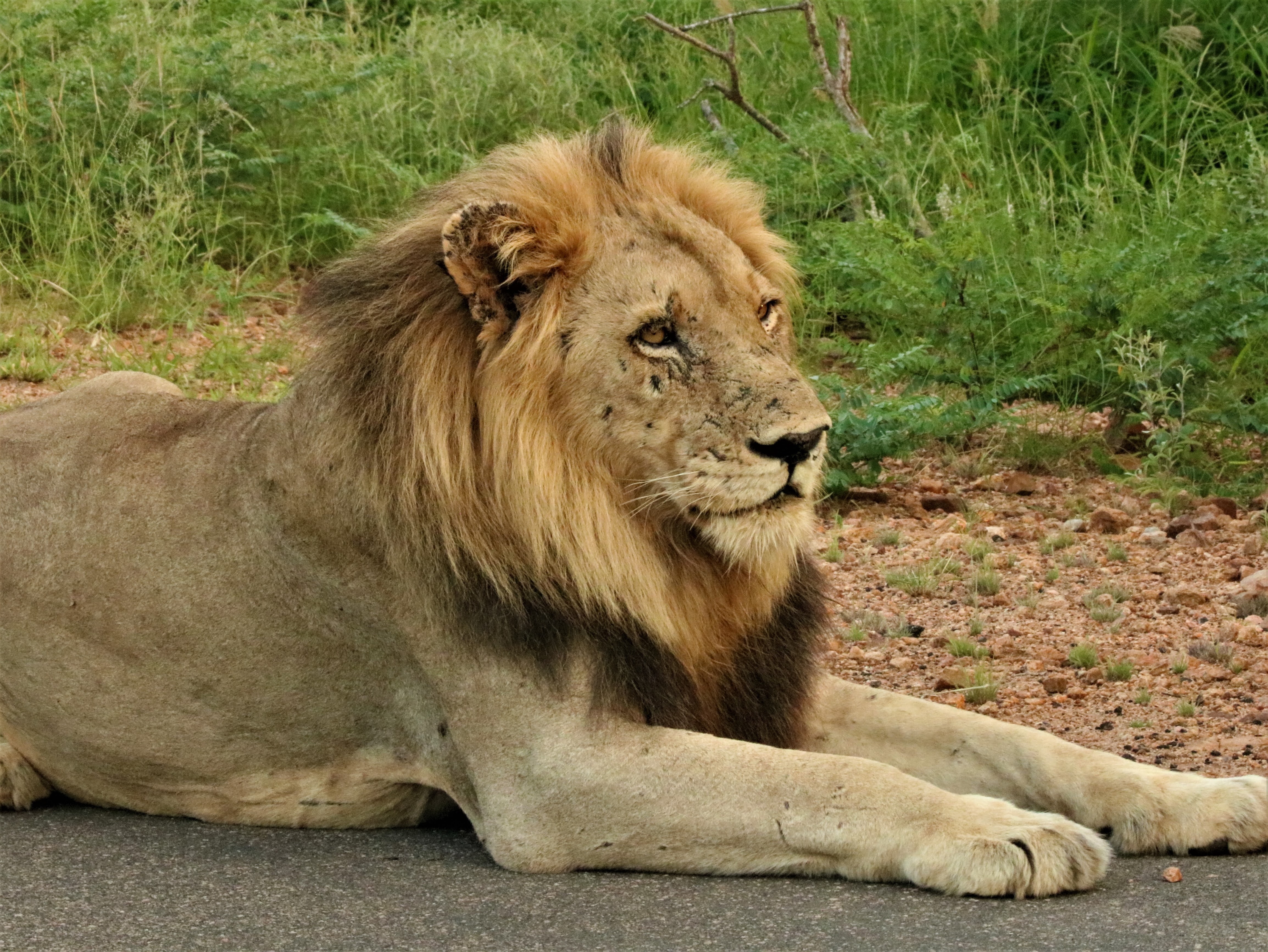
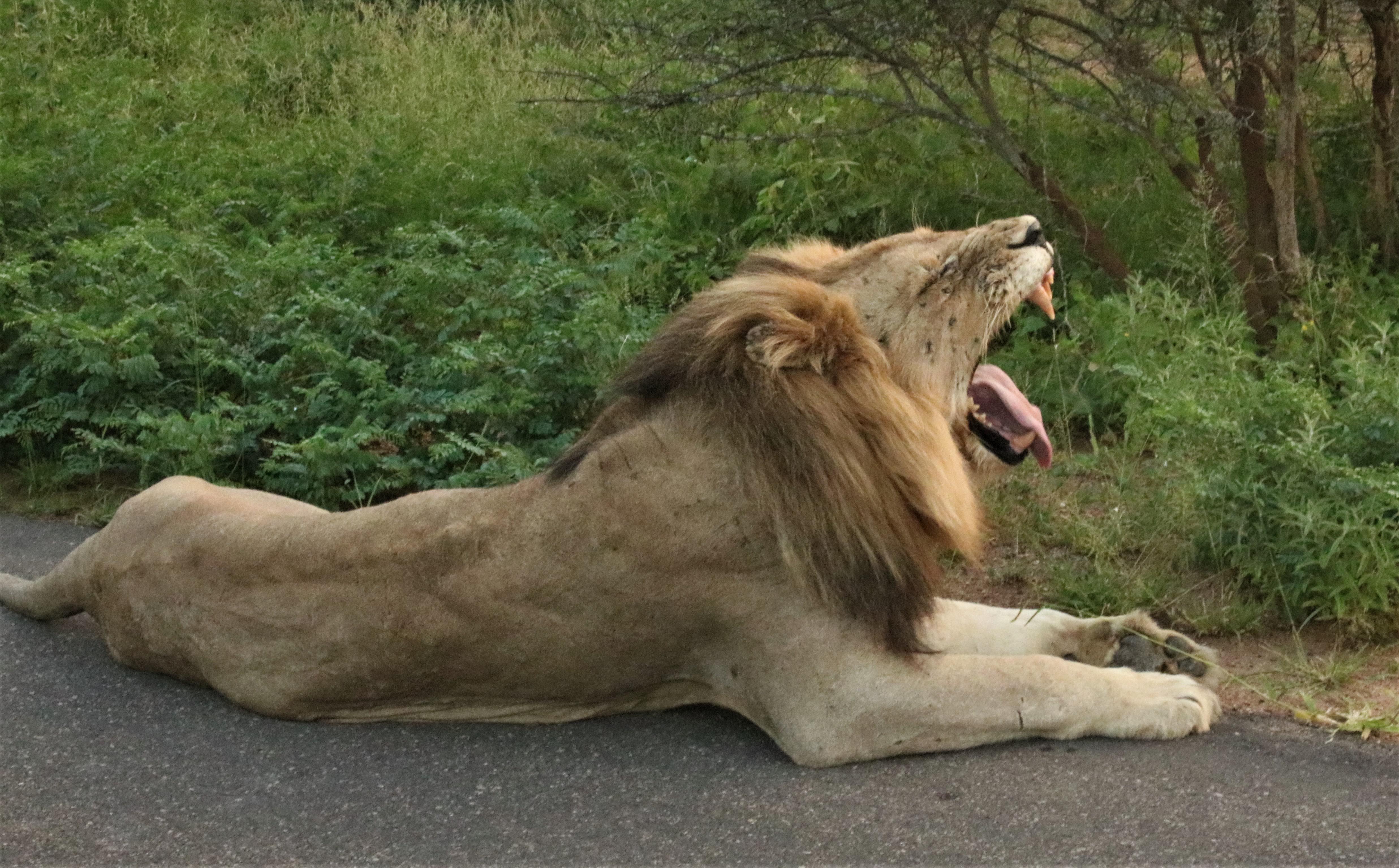
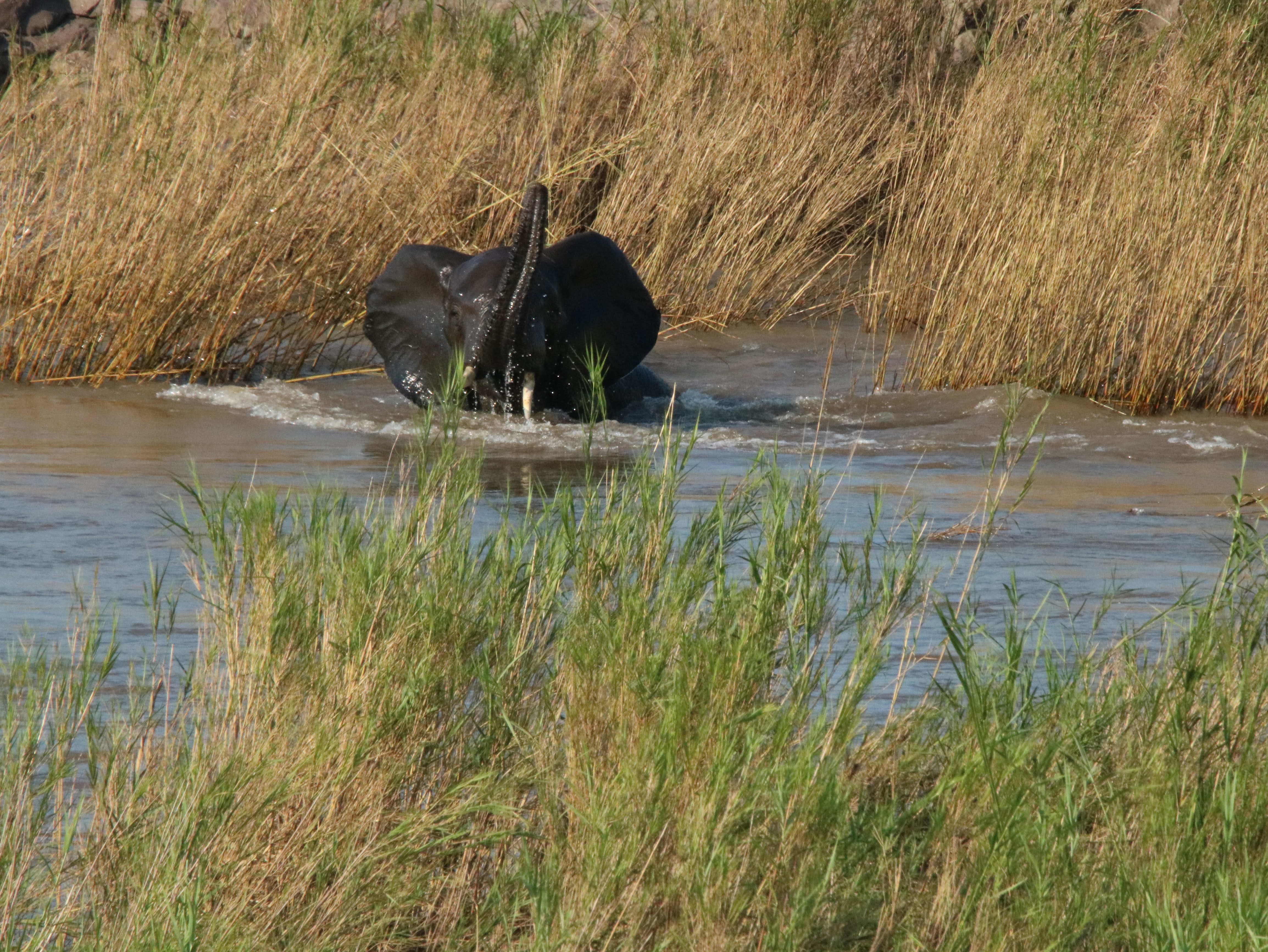
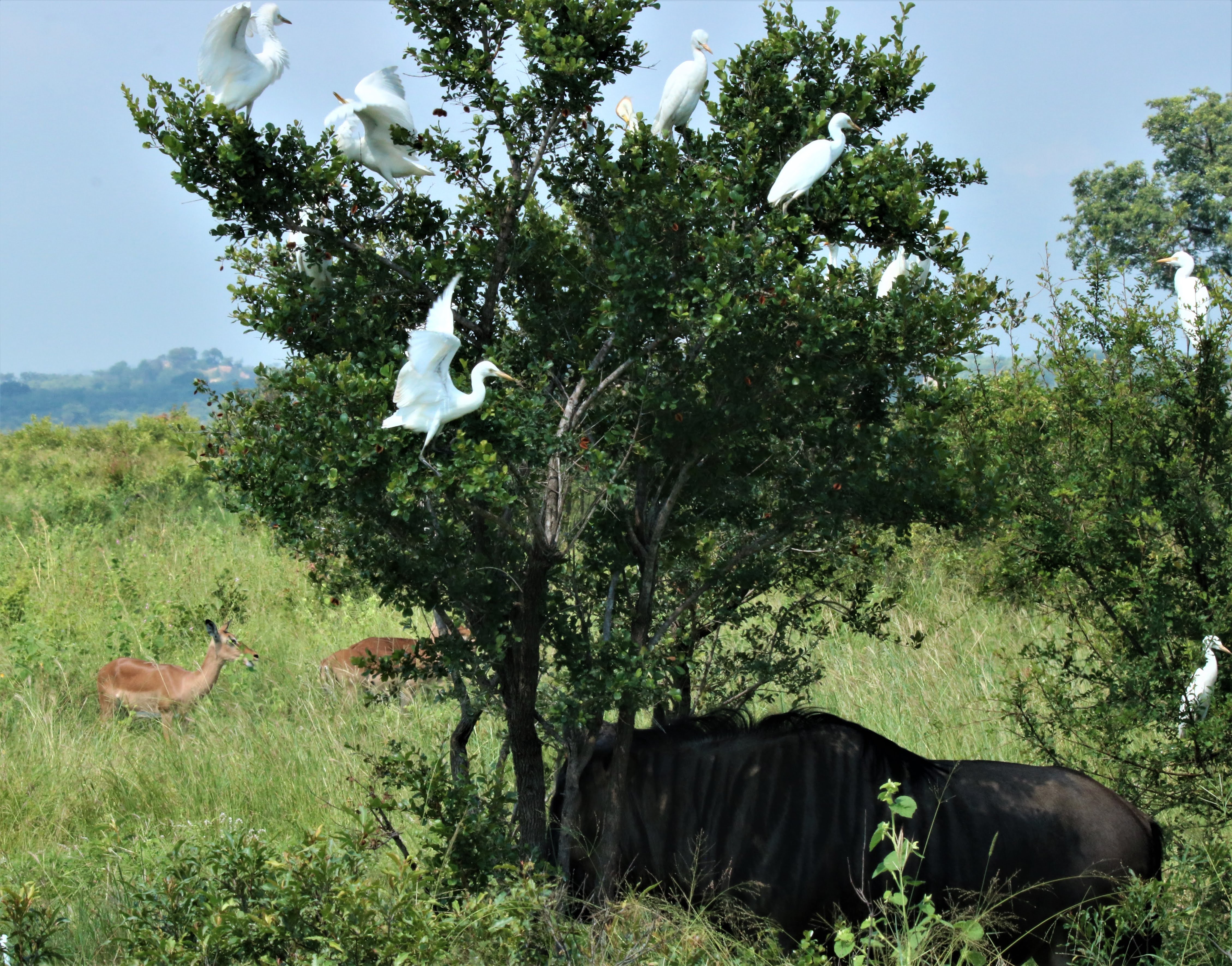
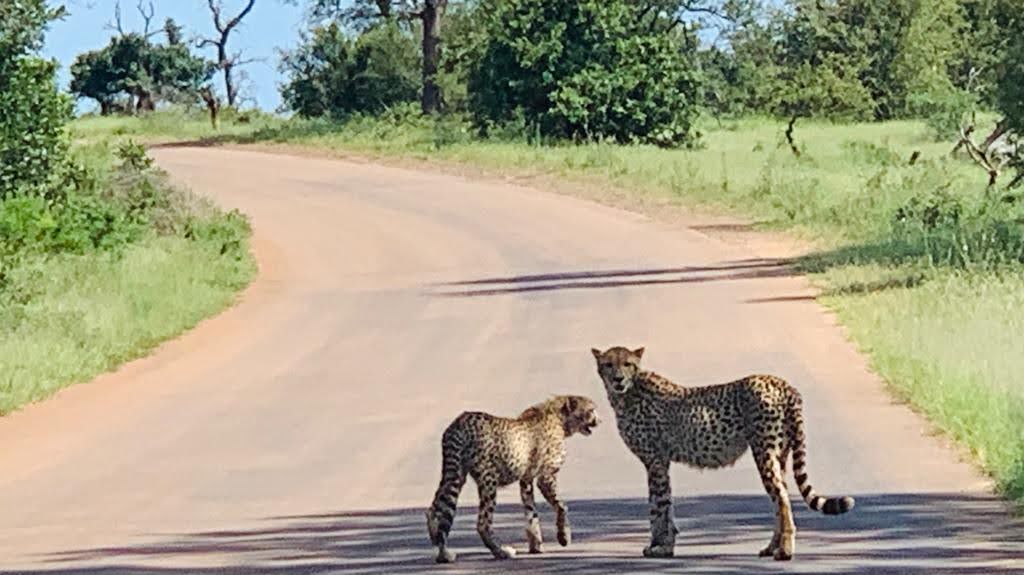
Now that we’ve gone through the what’s when’s and how’s of Kruger, lets look at some more specifics.
Accommodation – Within Kruger there are 13 rest camps, each with an array of different lodges as well as space for camping. There are also many camps located just outside or near the park. While the camps within the park are more costly, you’ll have the advantage of being close to the action. While staying at Lower Sabie, we could see crocs and hippos in the river just feet beyond the camp boundaries. When staying outside the park there can be a long wait to get in.
Big five – Elephant, Lion, Rhino, Buffalo, and the elusive Leopard make up the prestigious big five. Many rest stops and camps have boards where people note where they spotted these five species (as well as wild dogs and cheetahs)
Binos – South African slang for binoculars, make sure you bring some “binos” to get the best views of far away game.
Birdlife – Another reason to bring binos, the birds of Kruger are a huge part of the park’s popularity, with around 500 species, ranging from bee-eaters and ducks to owls and vultures.
Braai – Some more South Africans slang, this time for barbeque; braais are very popular at Kruger and every lodge comes with a grill.
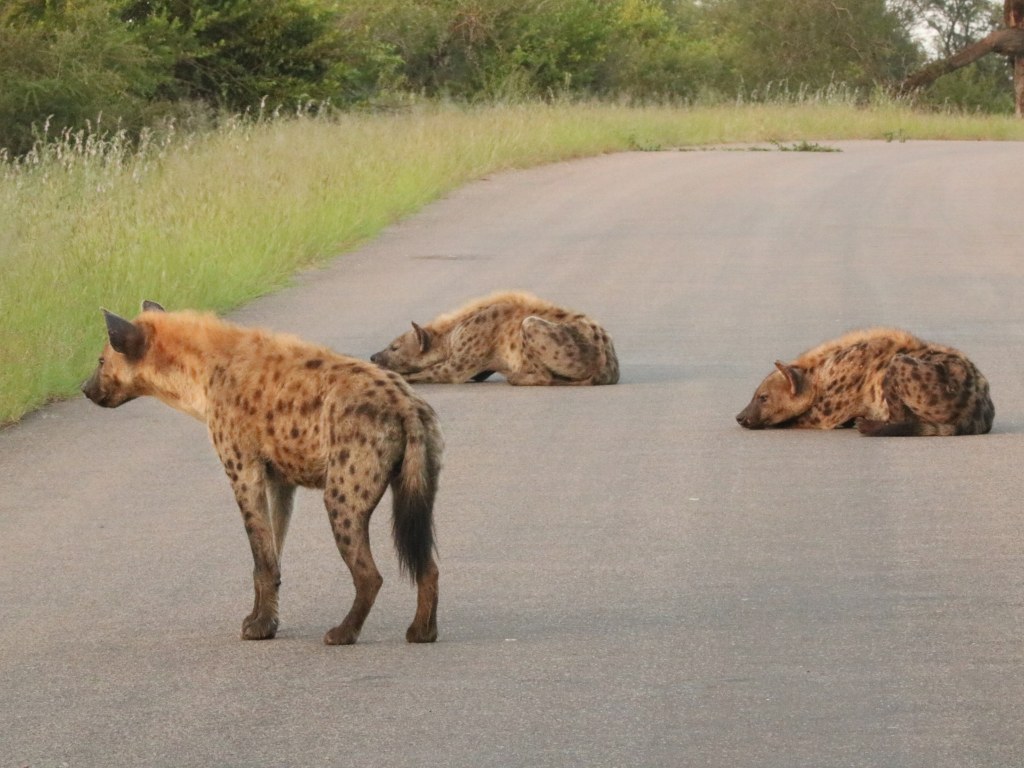
Conservation fee – The fee per day in Kruger for South African citizens R105 for adults and R52 for children. For internationals the price is R424 for adults and R212 for children.
Morning drives – Arguably the best time for viewing game is in the early morning, so make sure you get up nice and early! Many animals enjoy sitting on the hot tar roads, so try get out first in order to get the best views
Mosquitos and malaria – During the rainy season, you need to take precautionary pills called Mozitec to prevent malaria. These can be found in any South African pharmacy, just tell them how long you’re staying in Kruger and they’ll tell you how many pills you need and when to take them.
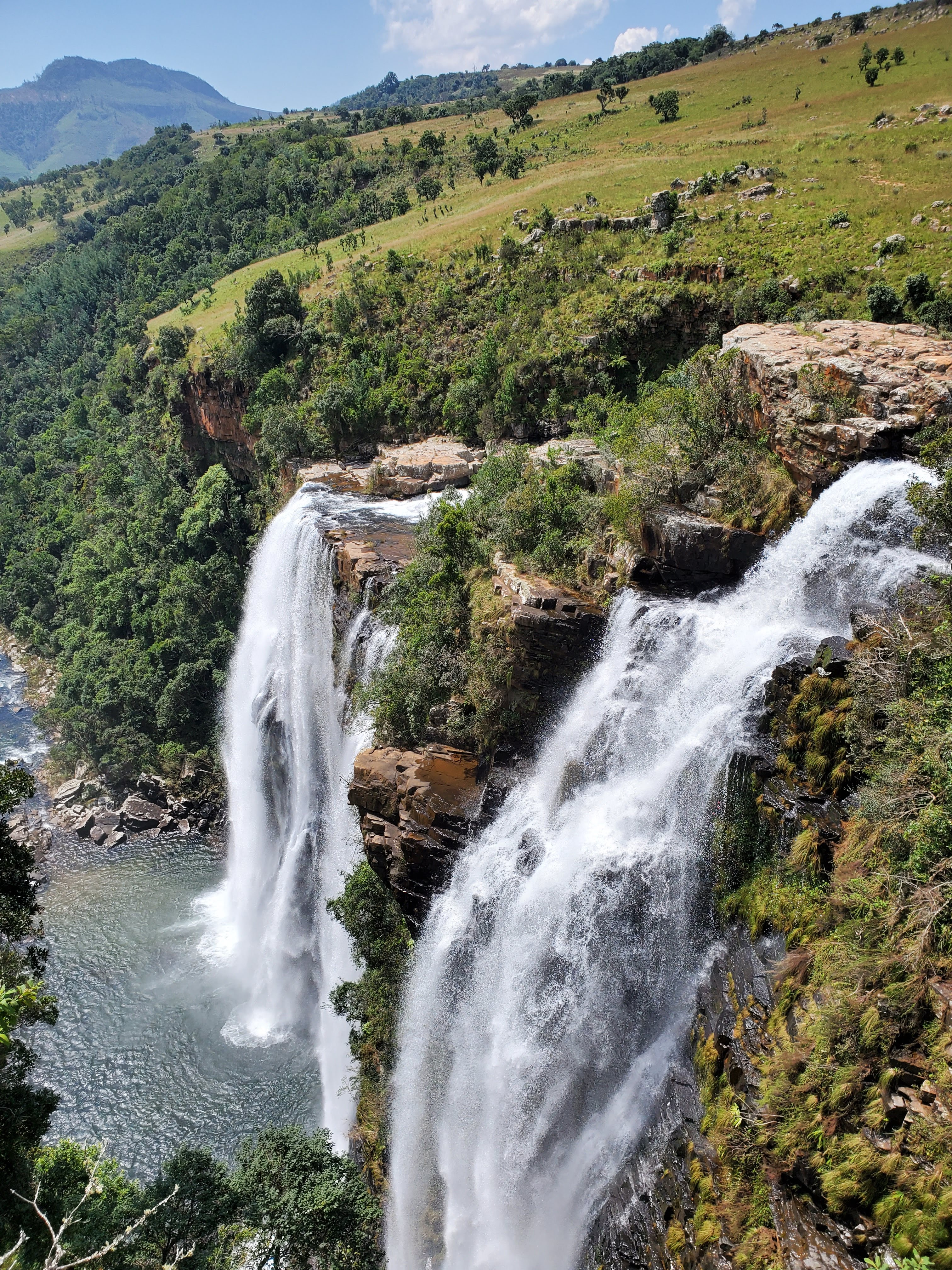
Panorama Route – A couple hours drive from the park is the beautiful Panorama Route; An area full of gushing waterfalls and stunning viewpoints (including my favorite ever viewpoint, The Three Rondavels) If you have the time, a full day trip to check out these wonderful sights is an amazing idea. If you are traveling back to Johannesburg or Pretoria, you can make this a stop on your way back as it’s barely out of the way .
Private reserves – Surrounding the park are many private game reserves. These reserves are far more expensive but also far emptier. A big plus in private reserves is that the rangers will take you out whenever you want, and are notified by their colleagues of every sighting, thus nearly ensuring an incredible game viewing experience.
Roads – There are two primary types of roads in Kruger; Tar roads, and gravel/sand/dirt roads. Each comes with their own pros and cons. The tar roads are far busier, so when there’s a sighting, you normally will see a few cars parked in one area so you’ll know that there’s something to see. However when you spot something for yourself, it won’t be long before other cars drive over to see what you’ve seen. While this isn’t exactly a bad thing, when you spot something on a dirt road (which will take more concentration without any help from other cars), you’ll normally have it all for yourself for a while.
At the end of day, it’s best to use a variety of roads to make the most of your trip.
Snakes, spiders, and baboons – Though gated, the camps aren’t completely free of the wildlife. Snakes, large spiders and sometimes even scorpions (don’t worry very rarely), can be found in the grass. Always wear shoes while outside at night and use a torch.
Baboons are very common in some camps and though they aren’t aggressive and keep their distance from people, be careful not to harass them and to lock your doors (They get hungry and go snack hunting).
Viewing game – The most important thing when it comes to looking for the animals is patience. Remember, this is the wild not a zoo, so you won’t be seeing wildlife wherever you look. In fact, for most people, it’s the search which is the best part. There isn’t a better feeling in the world than rolling along a dust road for an hour without seeing anything but impala (which are literally everywhere) and right before you turn on too a new road someone spots a lion laying by it’s kill in the grass. Every ride in Kruger is an adventure of its own, never the same as the day before. You might see absolutely nothing over the course of a day, then see the entire big five and a cheetah the next. (this actually happened to me but don’t get your hopes up).
While driving, always stay inside the vehicle and never lean out the window. You don’t want to be someone’s next snack.
WiFi and service – There’s free WiFi in the camps, though the connection isn’t great. In the park itself, the service is very patchy and unpredictable (all the more reason to follow the rules and stay safe).
What to bring:
- Clothes – Make sure you pack some warmer clothes if you plan to take the night drives.
- Hat/cap – It can get real sunny.
- Sunscreen – You might be sitting in the car with the sun on you for hours.
- Map – A physical map can come in handy when in an area without service. You can get maps at the entrance gates and at the rest camps.
- Coolers – There’s nothing better than a cold, refreshing drink on those long drives. You can buy ice at the rest stops and camps.
- Binoculars.
- Mozitec – As mentioned before.
- Camera – If you can, bring a telephoto lens.
- Flashlight/Torch – For walking around camp after dark.
- Park guide book
- Animal checklists – (included in most park guides)
- Snacks – For those long drives.
- Insect repellent
- Bathing Suit – Most camps have pools.
Well, now that you’ve read my guide to the park, the only thing left is to visit the park yourself and find out why your South African friends hold the park as their Mecca (I’m looking at you M.A) Oh, and check out these awesome links for some great insight into the park.
Kruger main website – https://www.sanparks.org/parks/kruger/
Kruger mammal checklist – http://storiesofthekruger.co.za/kruger-park-mammal-checklist/
Find out where different animals have been sighted https://www.latestsightings.com/
Have any interesting stories from Kruger? Put them in the comments. Lets see if anyone else was chased by an elephant



 Sitch Travels
Leave a reply to citronyosef5235 Cancel reply