A sort of guide:
The question I’ve probably been asked the most since I started backpacking is; “How do you keep kosher?/How can I keep kosher while travelling?”, and I never really have a good answer, because there are just so many variables depending on where you’re travelling, how strict you are, your budget, how much space you have, and so much more. The same with me, the answer has varied from place to place and time to time.
In this “guide”, I’m not going to tell you how to keep kosher or how I did, I’m simply going to tell you about some different approaches and ideas I’ve used throughout my many trips.
Please note: This isn’t a guide for kosher at any certain level, everyone has their own customs and level of stringency and I’m not here to tell you what’s right or what’s wrong. I’ve tried to make this guide as broad as possible, but you’ll see that most of these tips apply to those keeping strict kosher, as to be honest, the less strict you are the progressively less you’ll need my tips.
Anyway, here goes! If you have any questions, stories, or tips of your own, please let me know in the common section at the bottom of the page.
Happy Reading!!
Affiliate Disclosure: some of the links in this article are affiliate links. If you buy a product using one of them, I’ll earn a small commission
- Bring your own Pot and Pan
- Carry an electric pot or rice cooker:
- Smoothies
- Foiled fish
- Chabad freezer bag 😅
- Chabad Houses and Kosher Restaurants:
- Use my map icons:
- Tips for eating Vegan/Veggie:
- Kosher Cooking Classes
Bring your own Pot and Pan
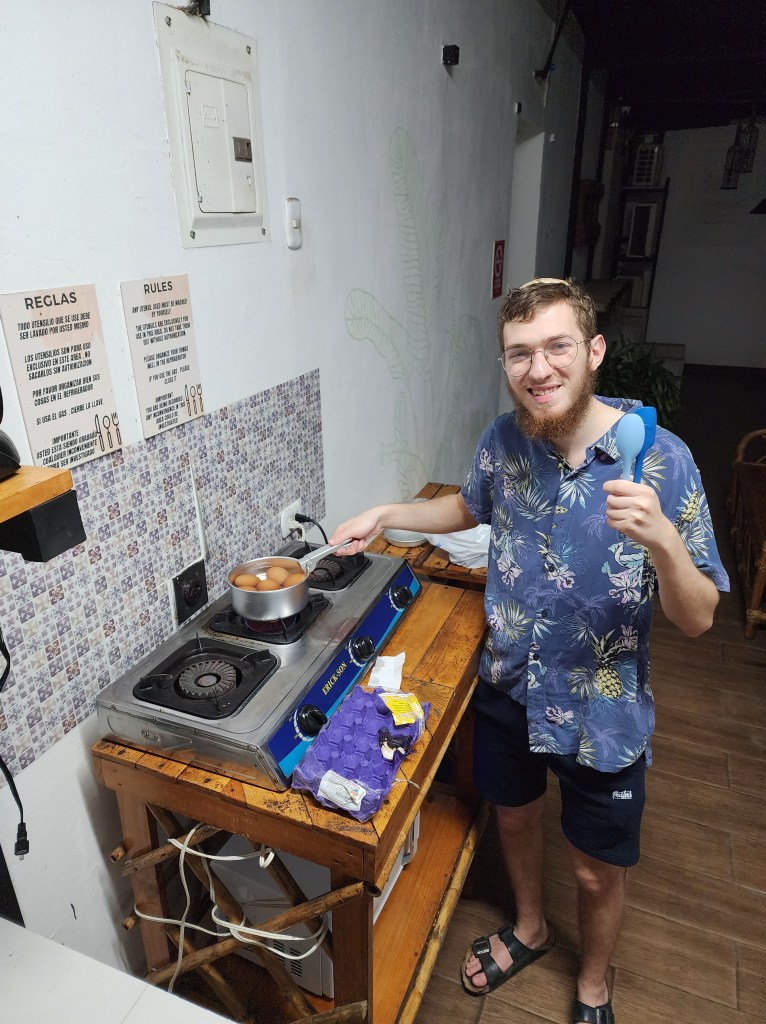
One of the more obvious ideas for keeping kosher out of your backpack is to carry a small pot and/or pan to make your food. Now while this takes some space, and will require you actually to do some work while you’re travelling, I practically lived like this in Central America and found it surprisingly easy. In many regions, the vast majority of hostels have decent kitchens you can use (normally until 10 or 11 pm), and you won’t be the only one using them, meaning that you won’t feel like a total black sheep for keeping kosher.
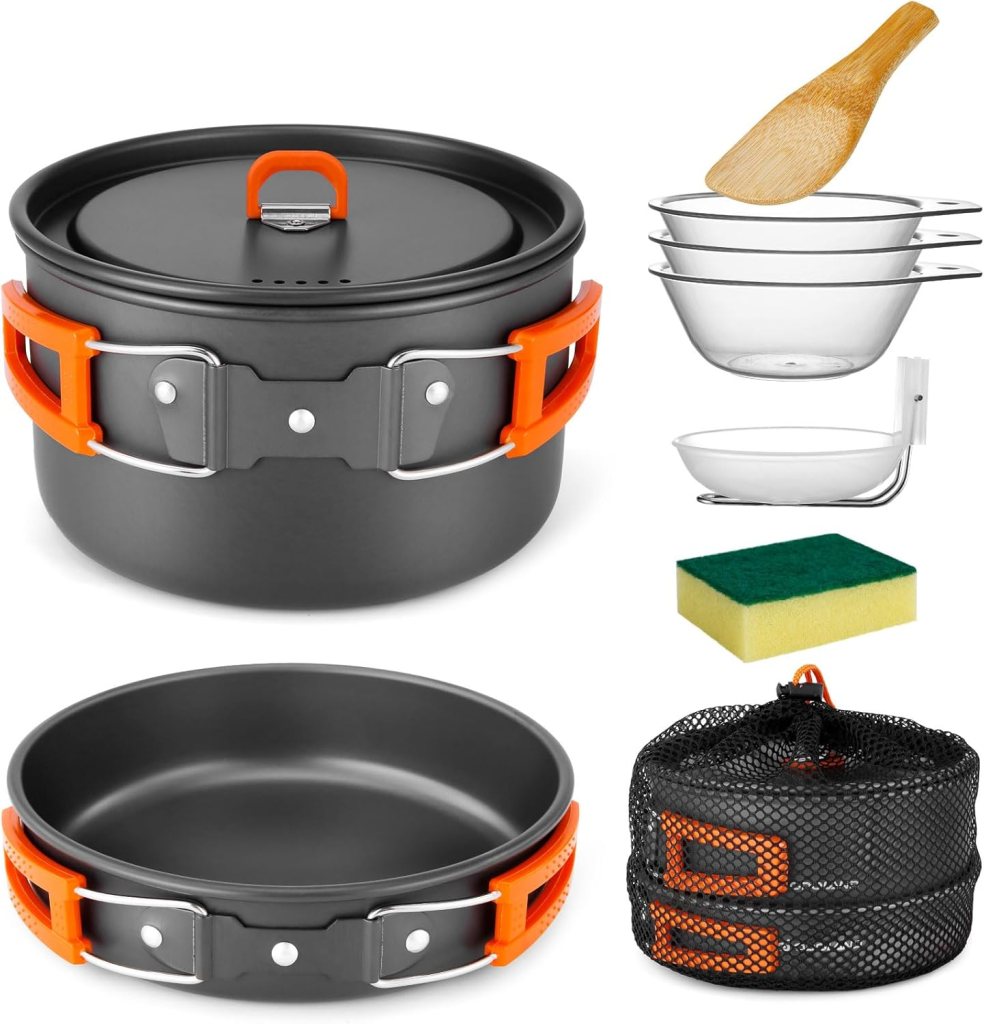
If you plan on cooking kosher for yourself, there are some other things you’re going to need, (depending on your stringency):
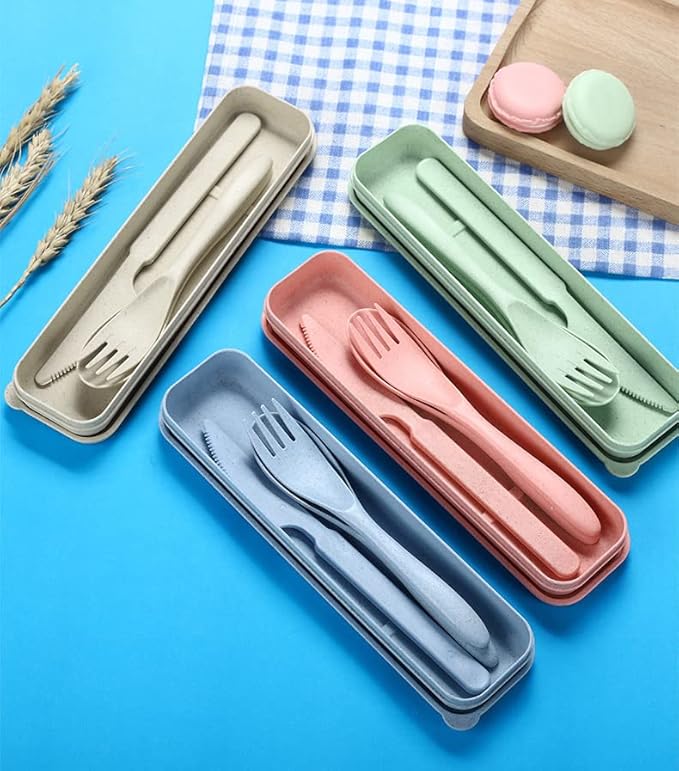
- Basic Cutlery – I recommend bringing a couple of sets of bamboo cutlery (to split milky and meaty), as it’s light but sturdy.
- Knife – One thing you’re going to want to bring besides the light cutlery is a good knife. You’re going to need it for well… cutting stuff. If you’re checking a bag in, you can bring one from home, but small kitchen knives aren’t hard to find if you only have a carry-on (unless you want to get arrested).
- Plates or Bowls – Well, you’ll need something to put your food on, and to prepare your food on. I recommend finding bowls with covers, this way they double up as containers that you can use to take on day trips and while travelling, as well as to store the food you worked so hard to make.
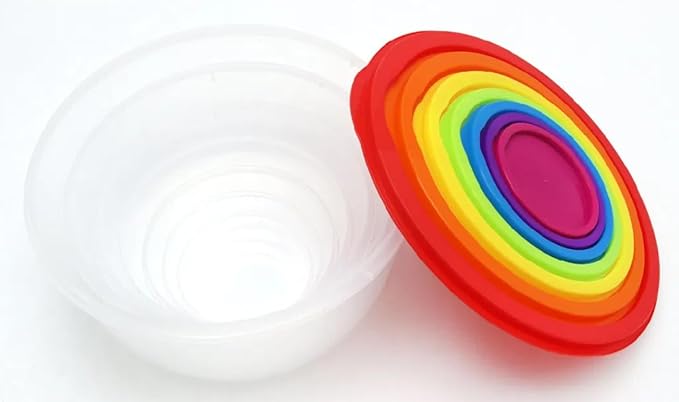
- Containers – Cooking every meal in a hostel gets tedious; use containers (such as the bowls I mentioned above) to store your food as you prepare a couple of meals at once. Meal prep is always good!
- Spatula and large spoon – You’ll need with what to use with your food while it’s on the stove. I took a small rubber spatula and spoon and thought they were the perfect pair, I didn’t need anything else.
- A container for your supplies – You want something to keep your cutlery and equipment in so that it doesn’t dirty your backpack.
- A sponge – I’ve heard many different opinions on whether you need to use your own “kosher” sponges or not, but if you hold that you do, you can either bring one from home or find one very easily while abroad.
- Ziploc bags, silver foil – You don’t really need these but consider bringing just a few zip bags and a little bit of silver foil in case your hostel doesn’t have them.
If your hostel has a kitchen, nine out of ten times it will have basic spices, salt, and oil (though make sure it’s virgin olive oil, which doesn’t need a hechsher), for you to use. If it doesn’t, you can either buy in small quantities or make do without. The last thing you want is to be lugging around a bottle of oil. It doesn’t hurt to have a small and simple spice mix with you just in case, make sure it’s somewhere it won’t spill though!
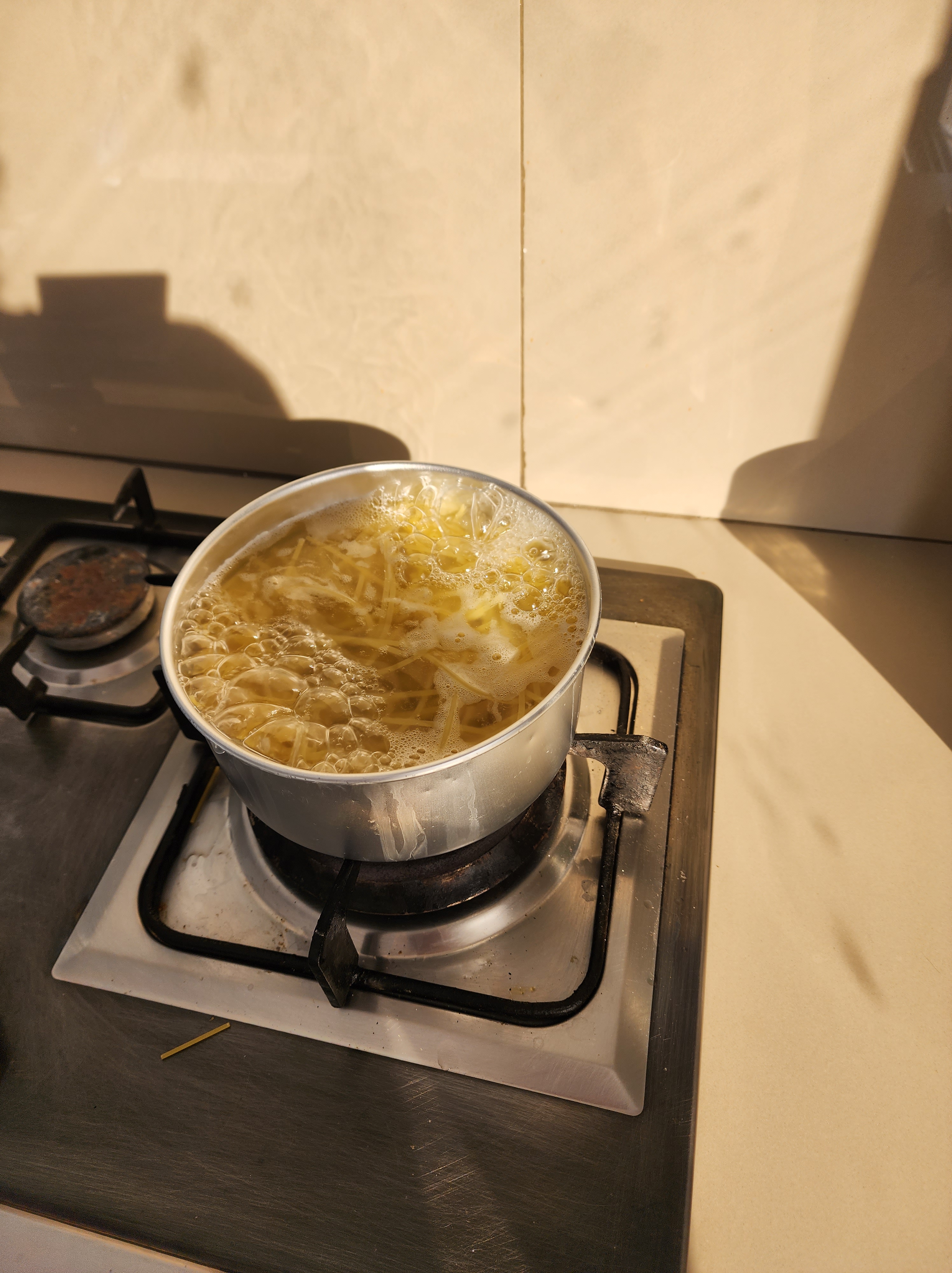
Where: Throughout the Americas, Europe, Australia, and New Zealand, you’ll find that many if not most hostels have self-catering kitchens. Often these are very basic, but you have your own little kitchen anyway! Sometimes though these kitchens can be exceptional! Bear in mind that, especially in Europe, hostel kitchens are very popular, and can get quite busy… a good thing you’ve got your own pan! Of course, though having a kitchen is common in these regions, always be sure to check that the hostel has a kitchen before booking (or ensure you have another way to eat), as there are always exceptions to the rule.
Carry an electric pot or rice cooker:
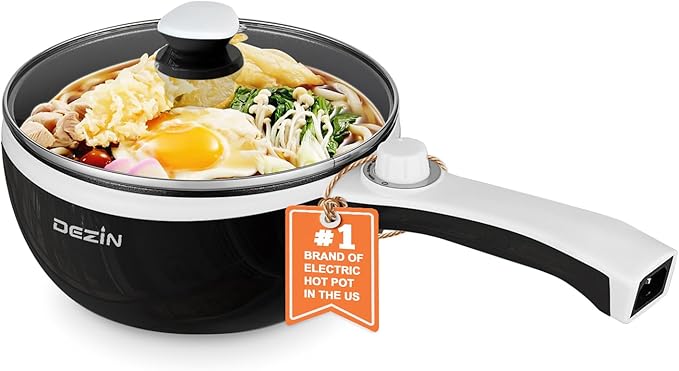
This is basically the same as carrying a pot and pan, just that you don’t need a stove-top! Well, not exactly, but with an electric you can make many of the same meals with nothing (from the hostel) but an outlet and a small counter-top/table/anything to put your pot on. In most hostels in Asia, though there may not be a kitchen, there will be some sort of counter-top with a kettle, toaster, microwave, etc… The hostel won’t mind you plugging in your little pot and cooking yourself up a feast (they didn’t in my experience at least). Just place some foil or paper towels under your little spot to keep it clean and not leave your stuff around!
One potential annoyance with the electric pot can be cleaning it when you don’t have a kitchen to use, so sometimes you may have to make do with a quick paper towel wipe down. Wet wipes maybe…?
Smoothies
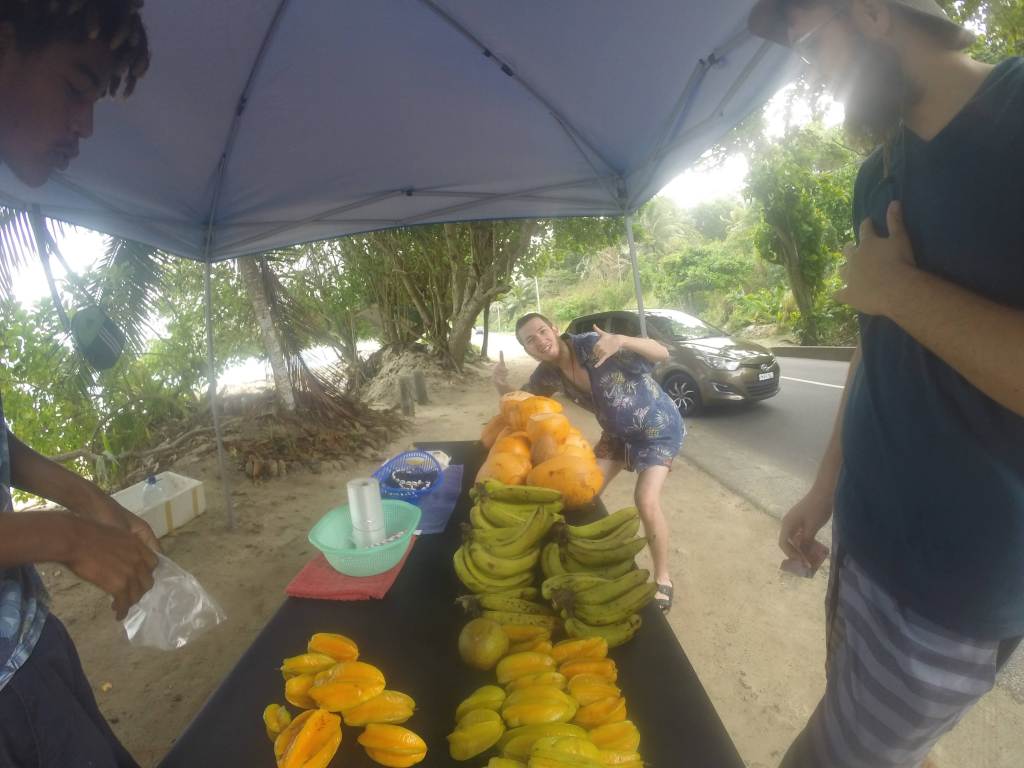
Fresh fruit juice and smoothies are your absolute best friend out there!! Stands selling nothing but smoothies and juices are common in most warm destinations. (If you keep chalav yisrael, make sure they don’t use milk in any of their smoothies, because if they do then the blender itself is milky.)
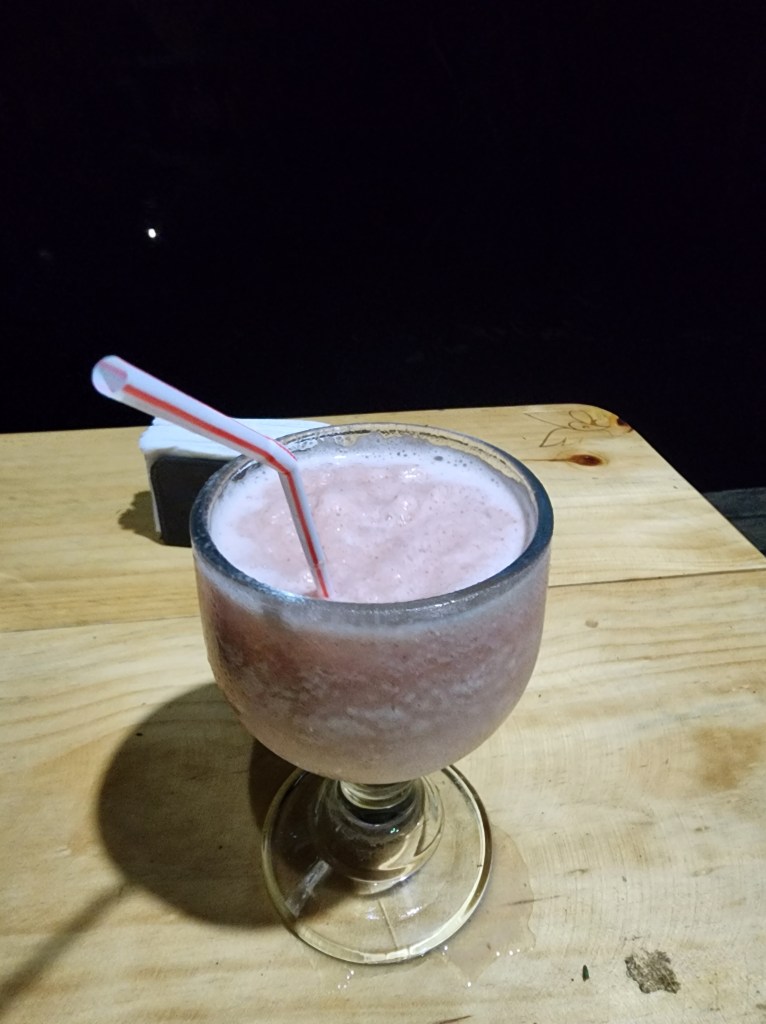
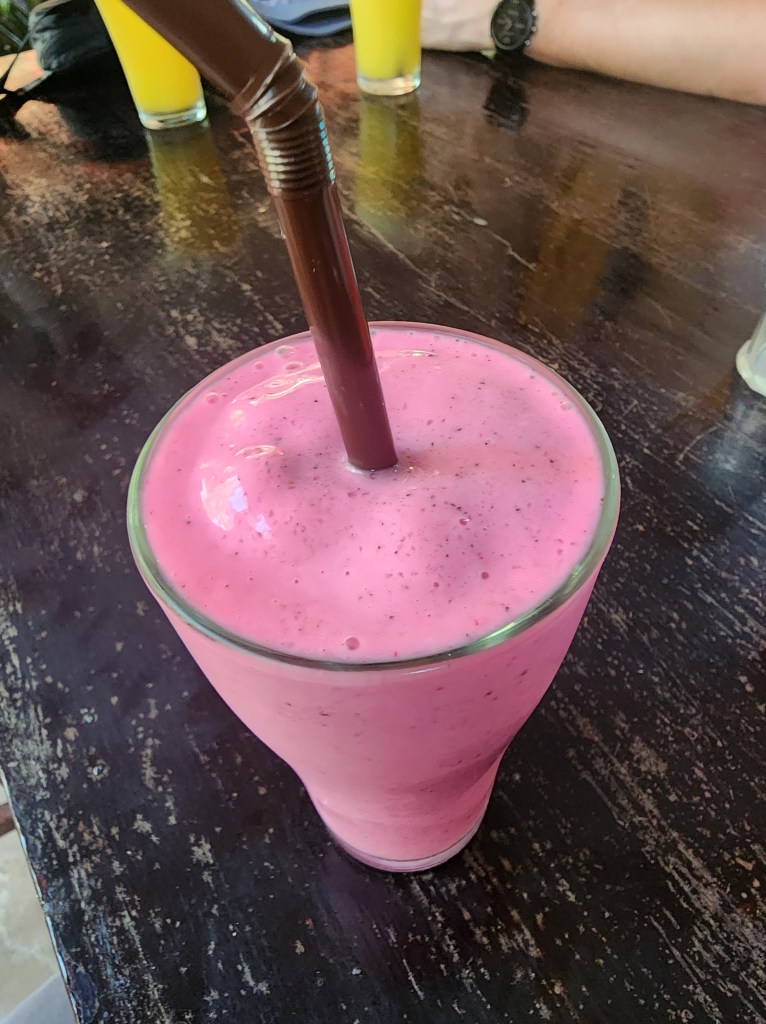
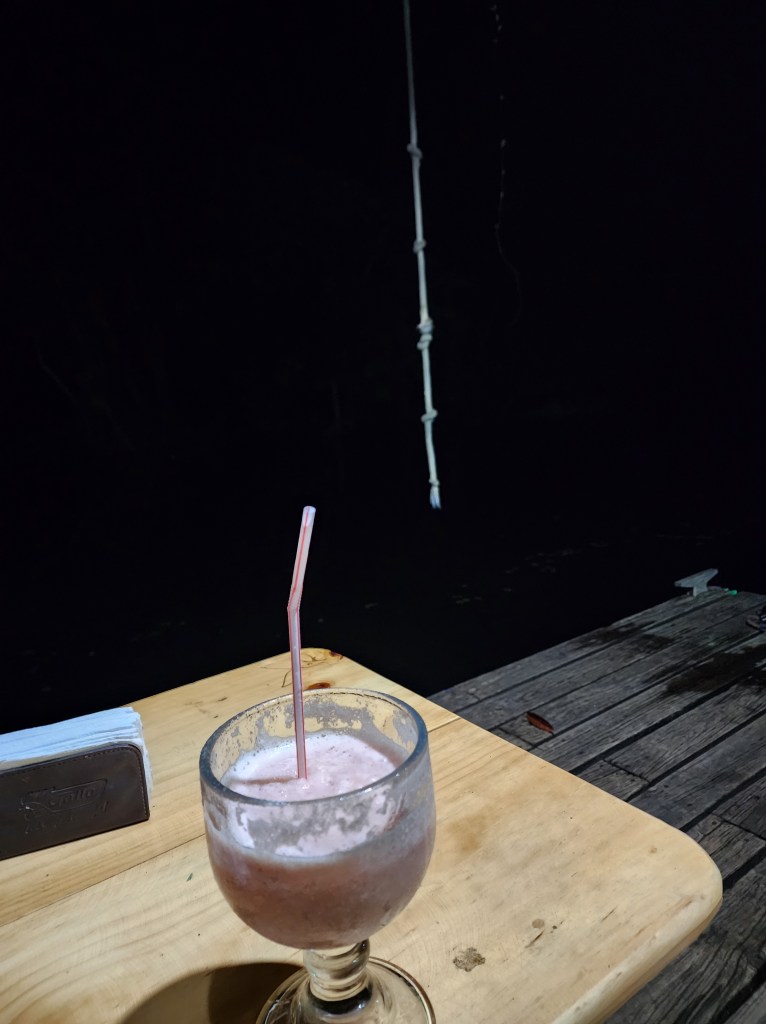
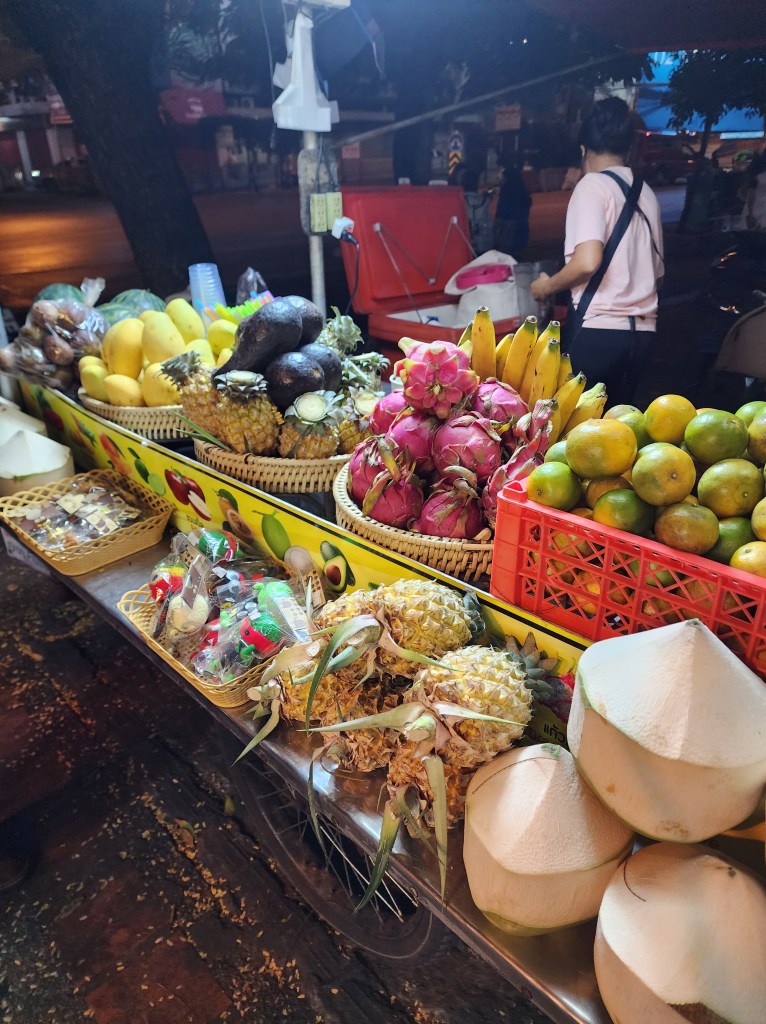


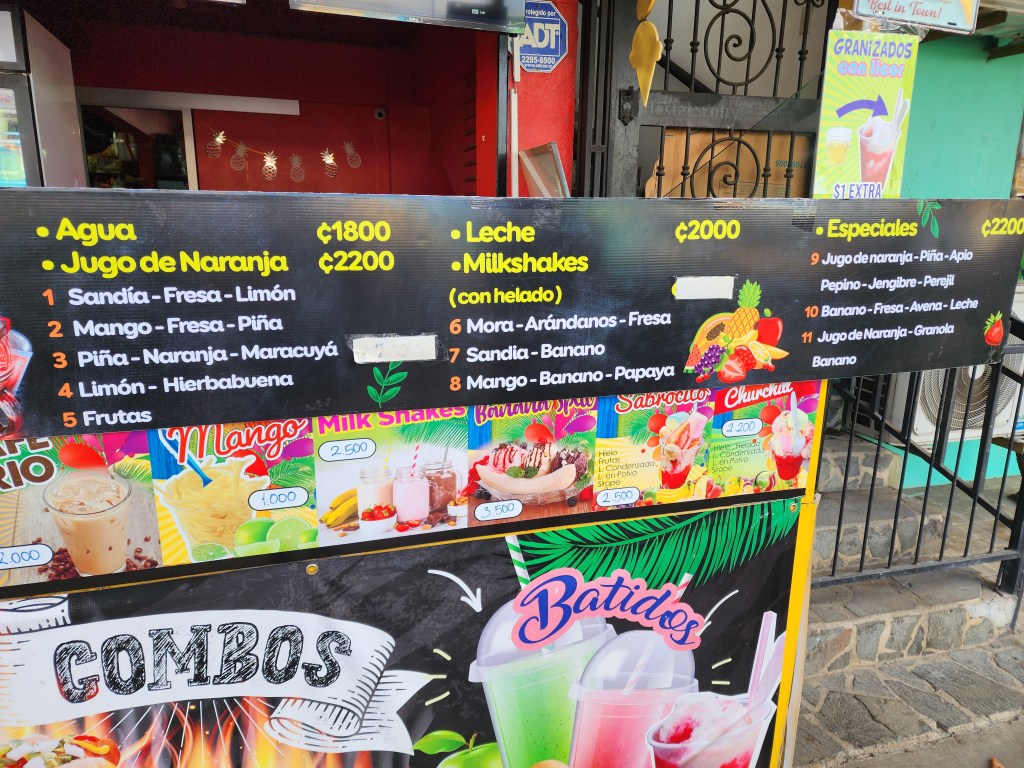

A personal favourite combo is; Mango, Dragon Fruit, Passion Fruit, Jack fruit, Banana, Blueberries, and Strawberries.
No, I did not make that up.
Yes, I pester dozens of sellers to make me that exact smoothie (besides the jack fruit, which is often unavailable).
Foiled fish
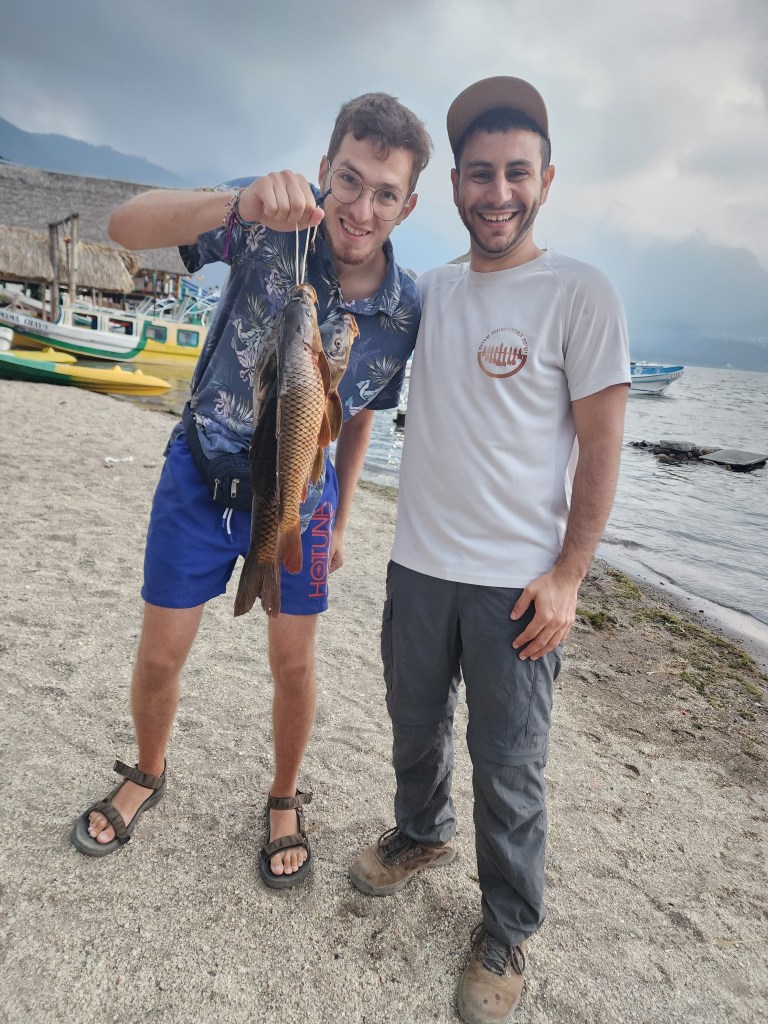
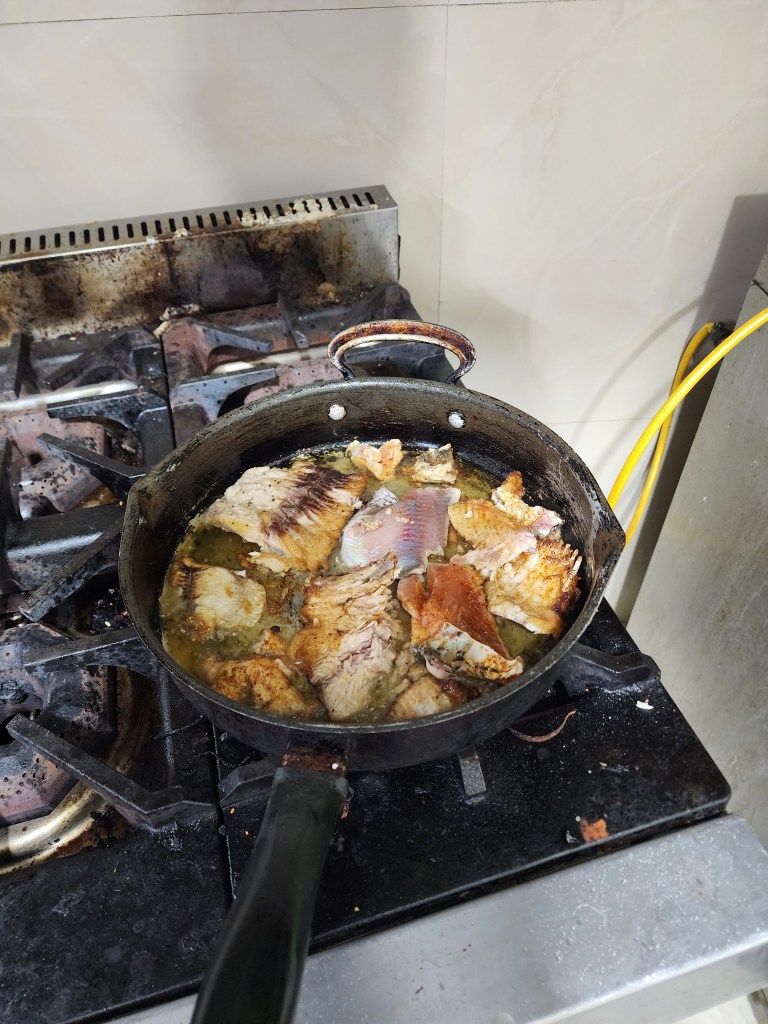
For those on islands or beach towns, here’s an idea for some fresh kosher food you can get without preparing it yourself; Simply go to a restaurant that grills fresh fish (there are plenty on islands and in beach towns), ask them if they can double wrap one in foil and not use a knife on it (or use your own knife) and voila! Kosher Grilled fish!
Okay so that isn’t “simply” after all, plus there’s the issue of bishul akum, so if you’re careful not to eat bishul akum, you’ll have to ask to light the grill yourself… OK yeah… maybe just buy a disposable BBQ and a fresh fish from the market.
or… simply catch your own fish! 😝

Chabad freezer bag 😅
No, I’m not talking about an officially licensed Chabad House freezer bag silly (Please make this happen @chabad!).
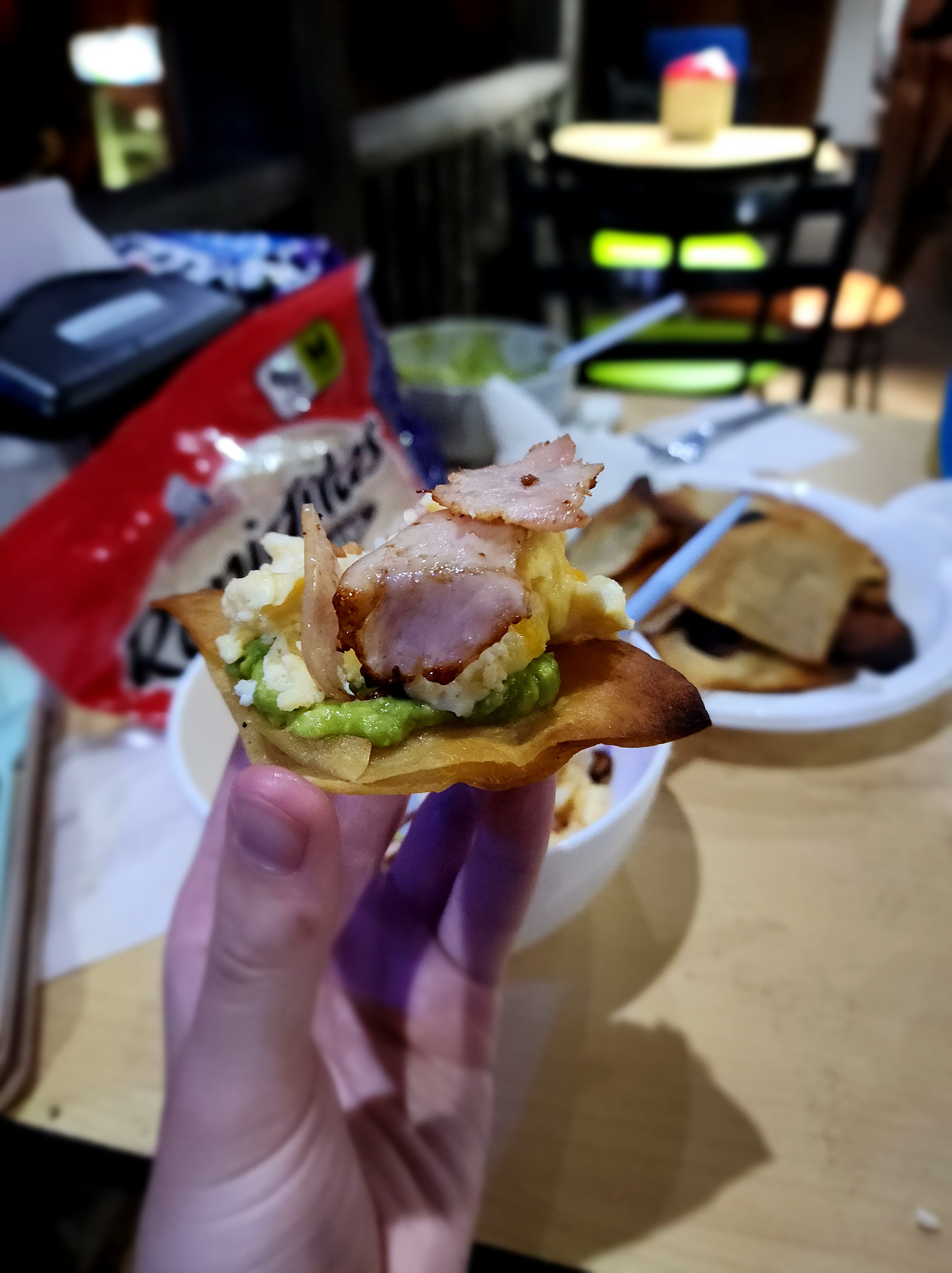
I’m talking about bringing a small freezer bag with you and using it to keep some protein stocked up. This can make a massive difference to your diet while travelling and that will enhance your experience. For me, this isn’t essential, but it having one day less without surviving on burritos and pasta can be a morale booster for sure. Of course, in regions without kitchens, you’re going to have to find a fridge to keep your bag in, as they can’t keep food cold for that long. You’ll also be spending more on meat/cheese from Chabad than on your other meals, and unless you have space for anything more than a small bag, you’re only going to be fitting a meal or two in. In places like Southeast Asia or Europe where there are plenty of Chabad houses, it might end up as more of a hindrance than a help.
Chabad Houses and Kosher Restaurants:
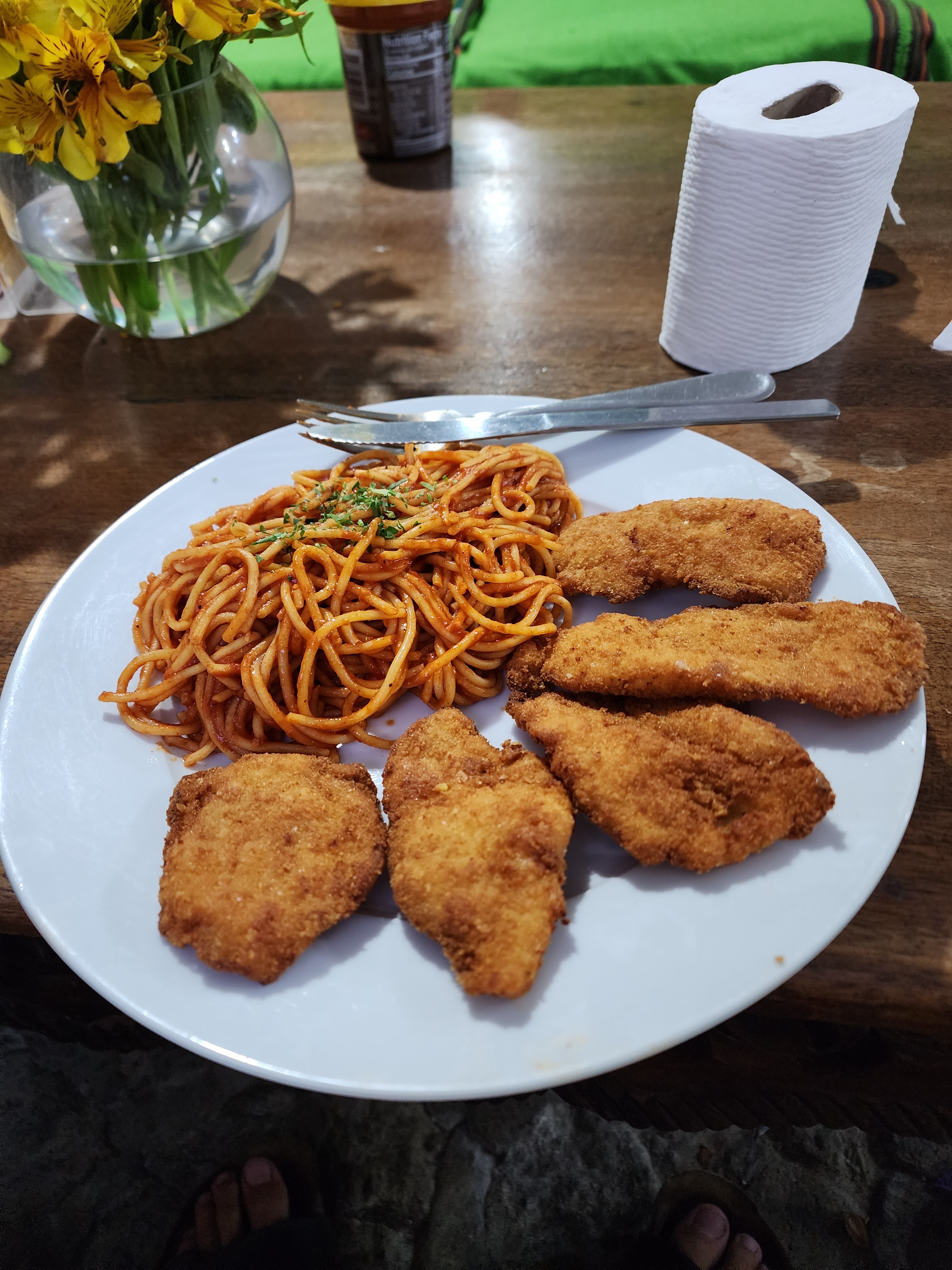
Backpacking and having to make your own kosher food does not go hand in hand! Many backpacking hubs have Chabad Houses, which nearly always have their own restaurants/cafes!
Chabad constantly surprised me with the quality and quantity they brought to the table, see for yourself!
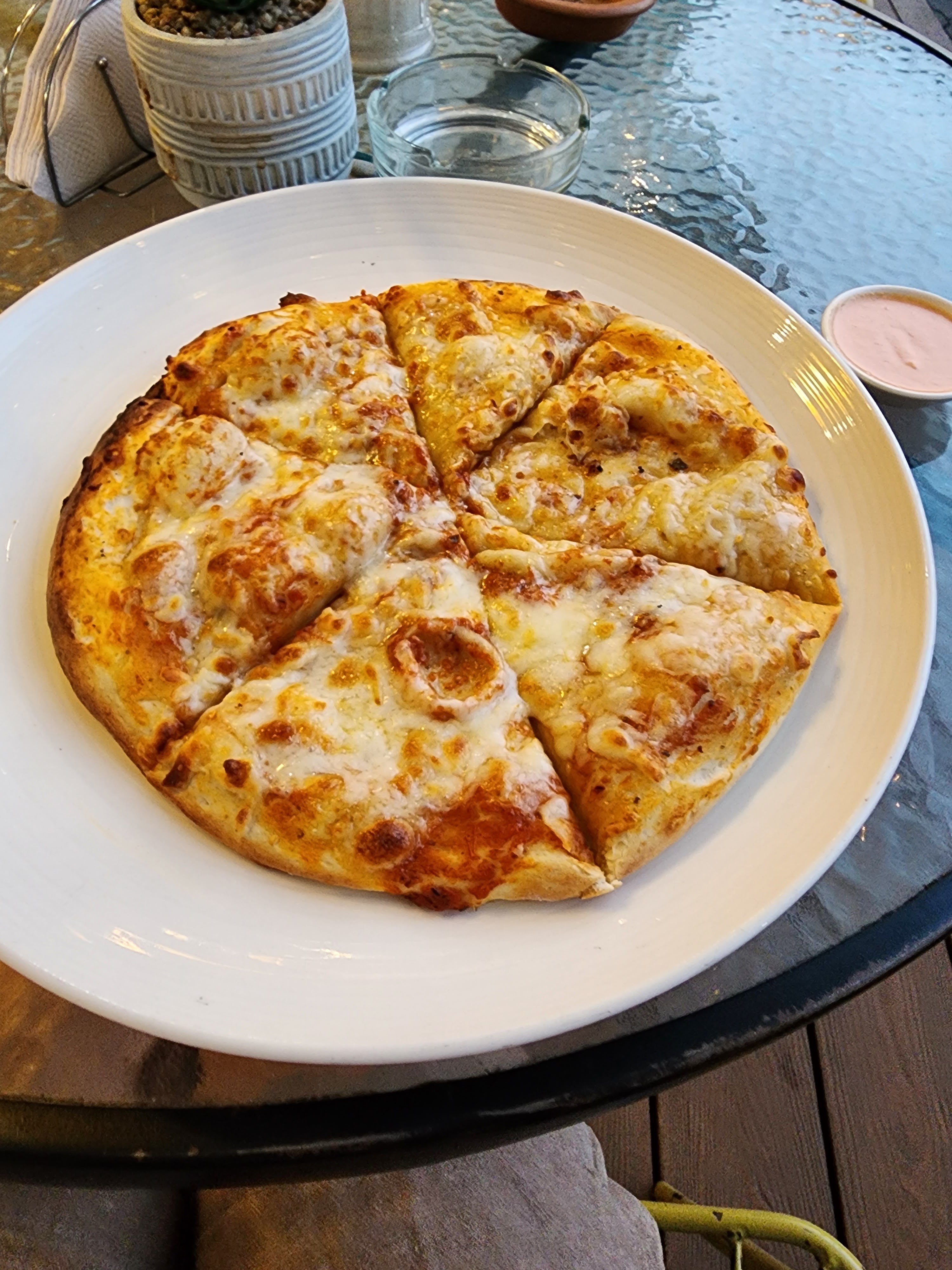
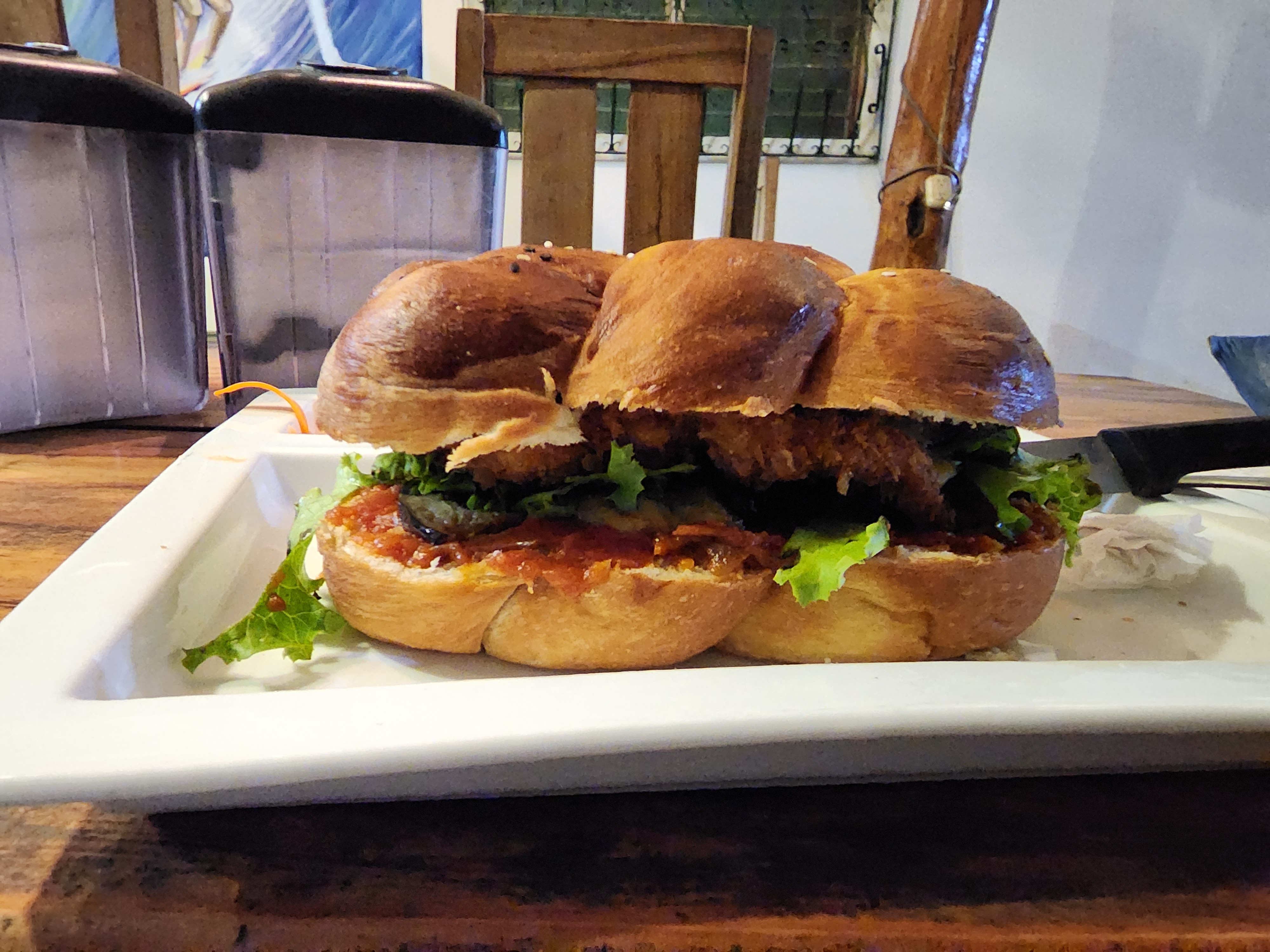
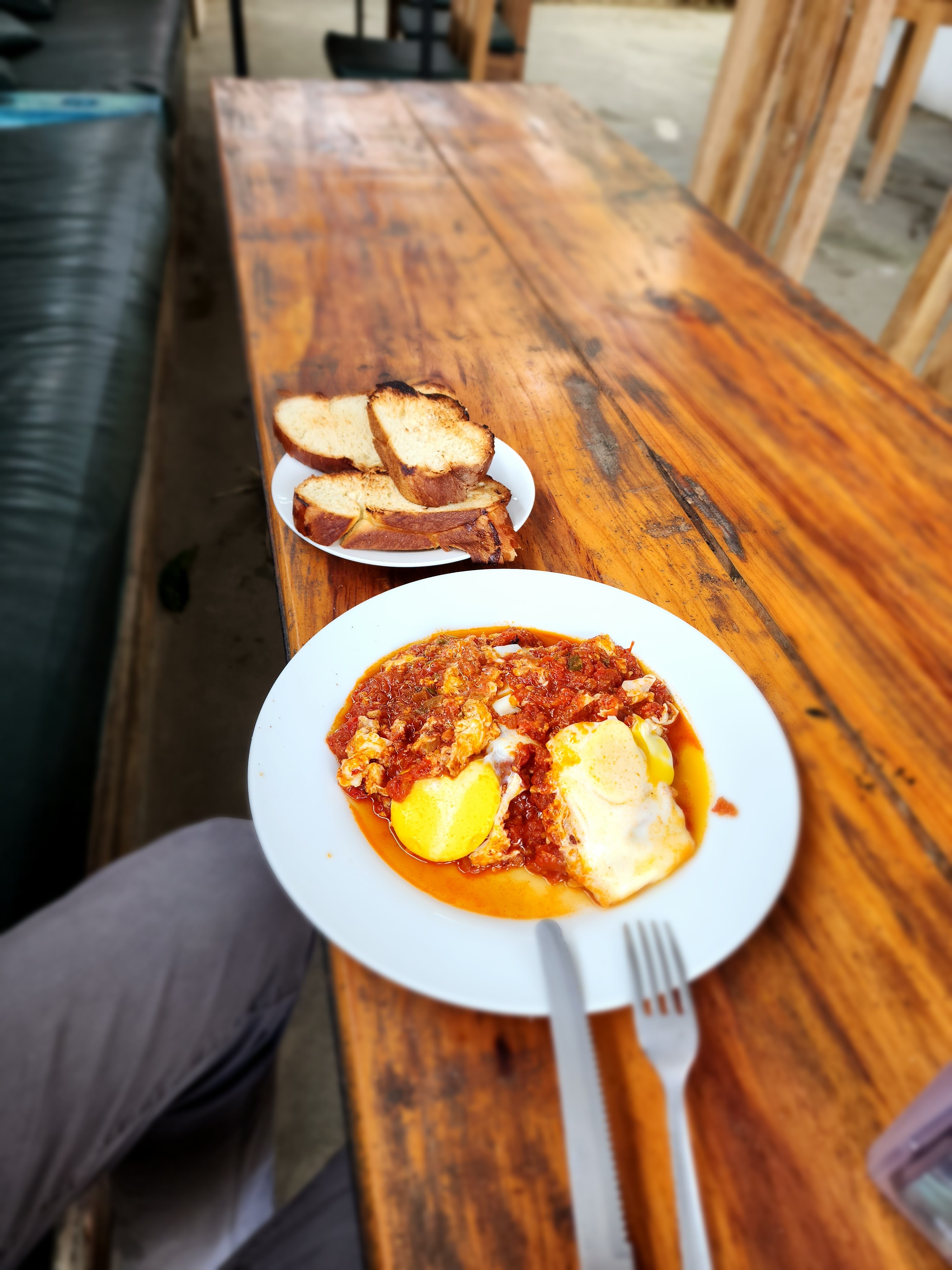
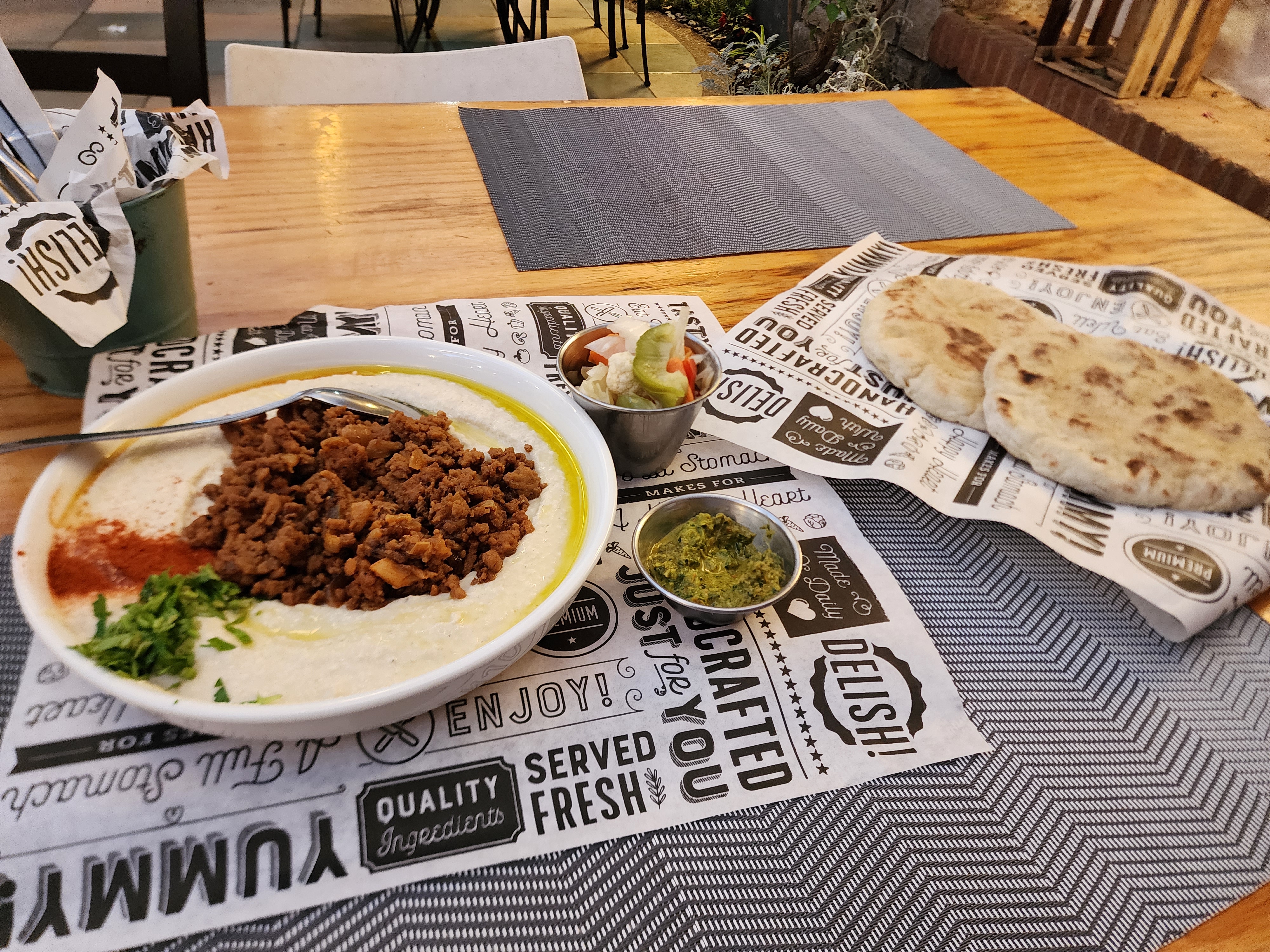
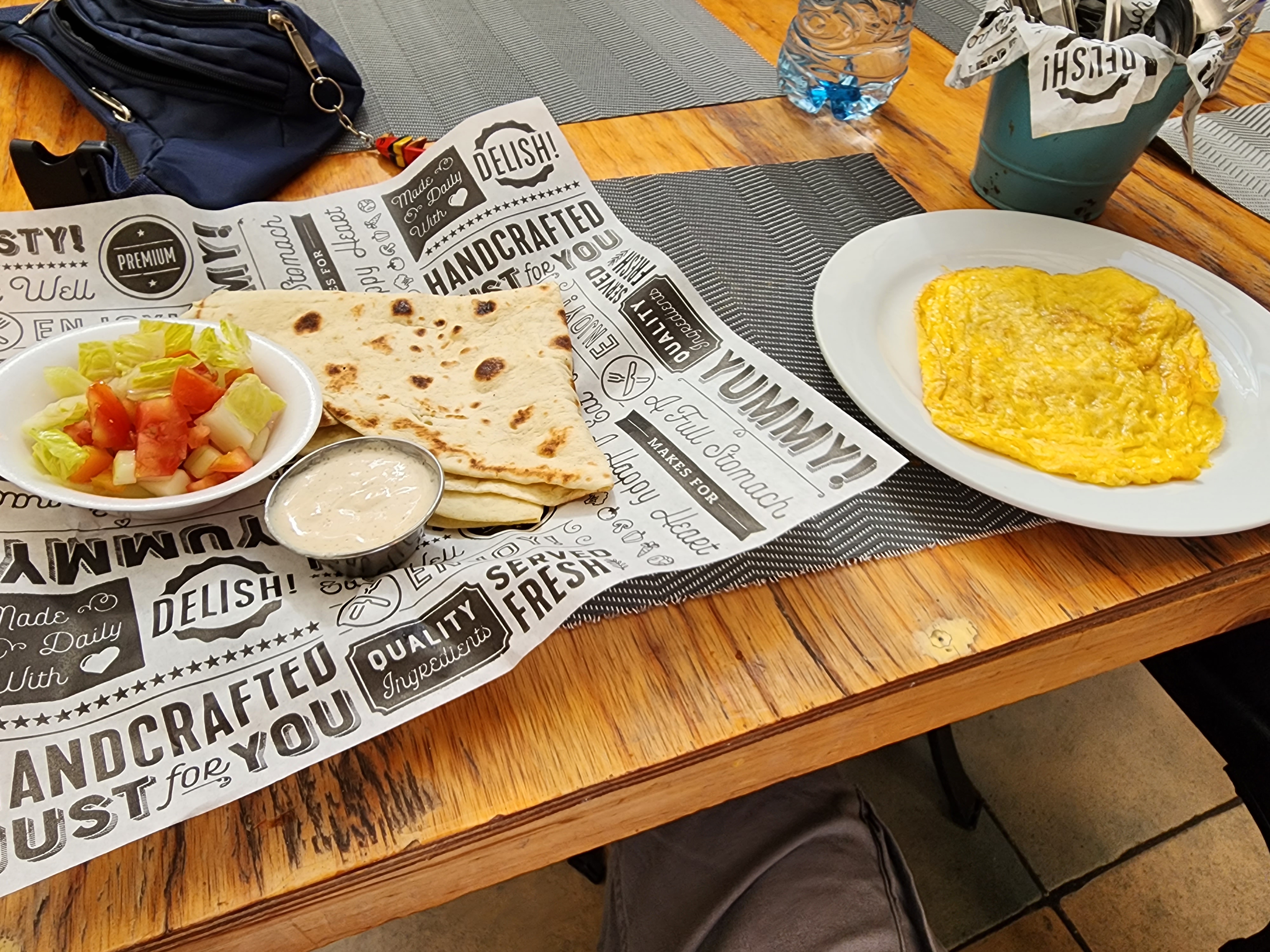
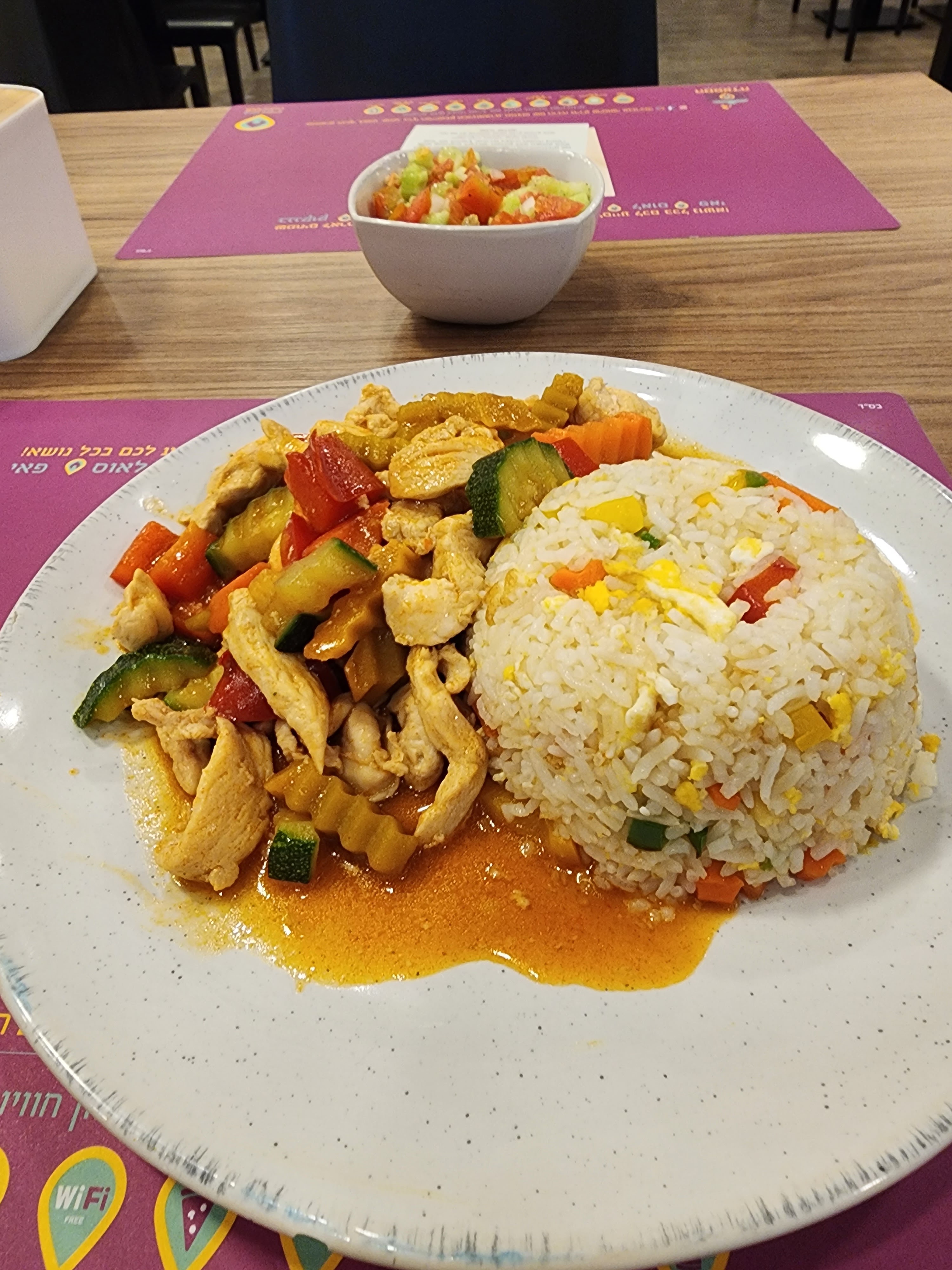
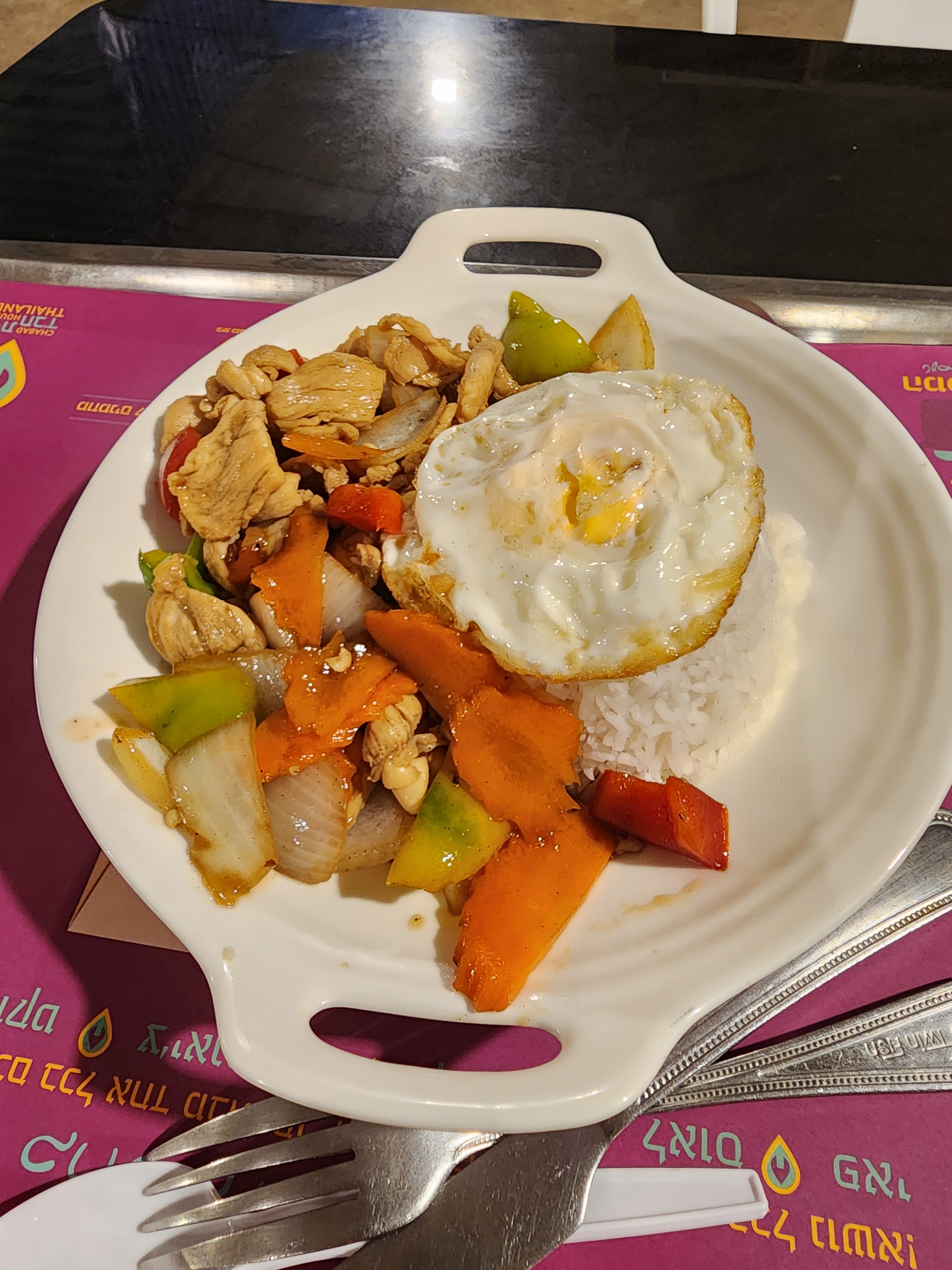
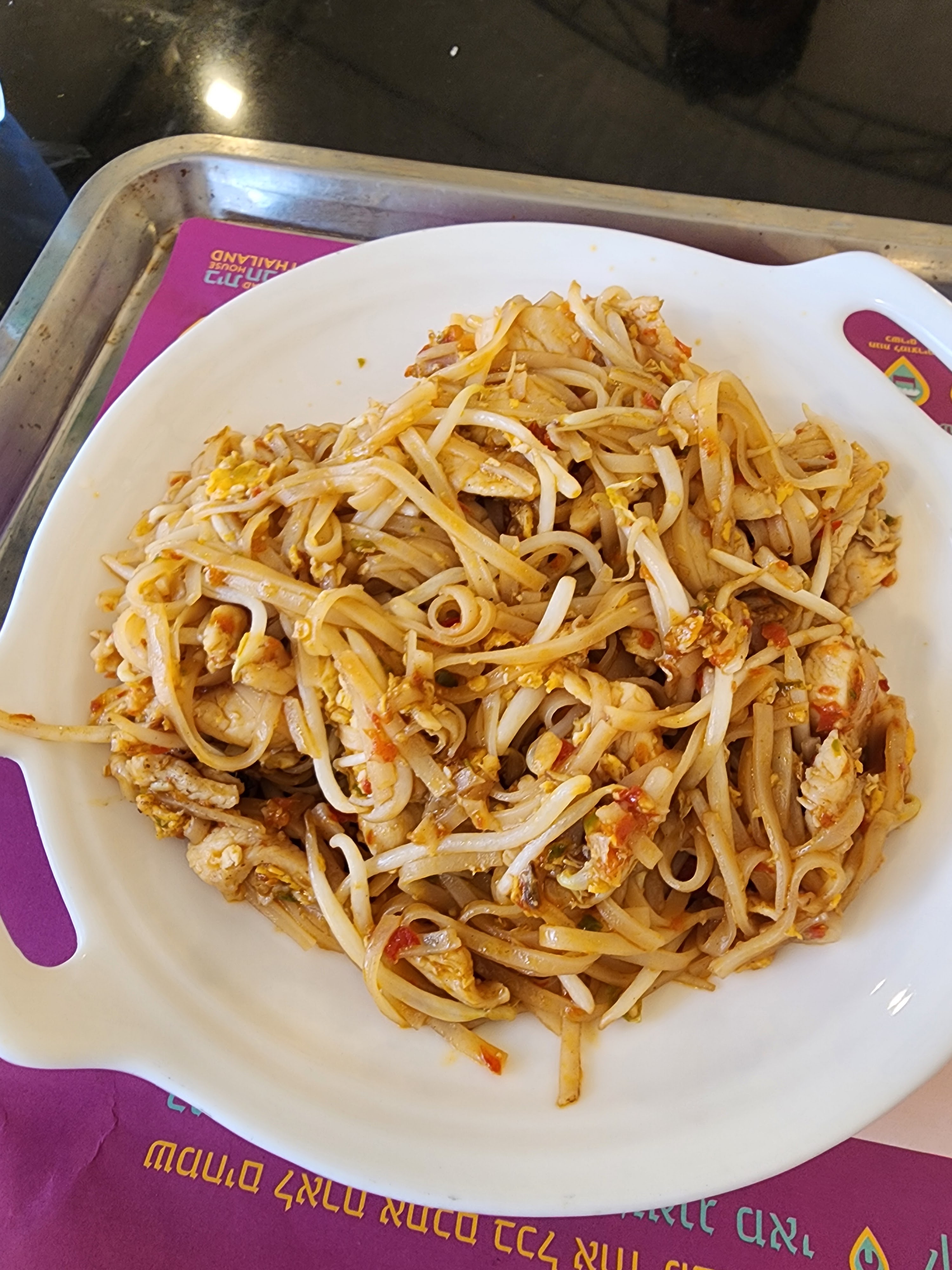
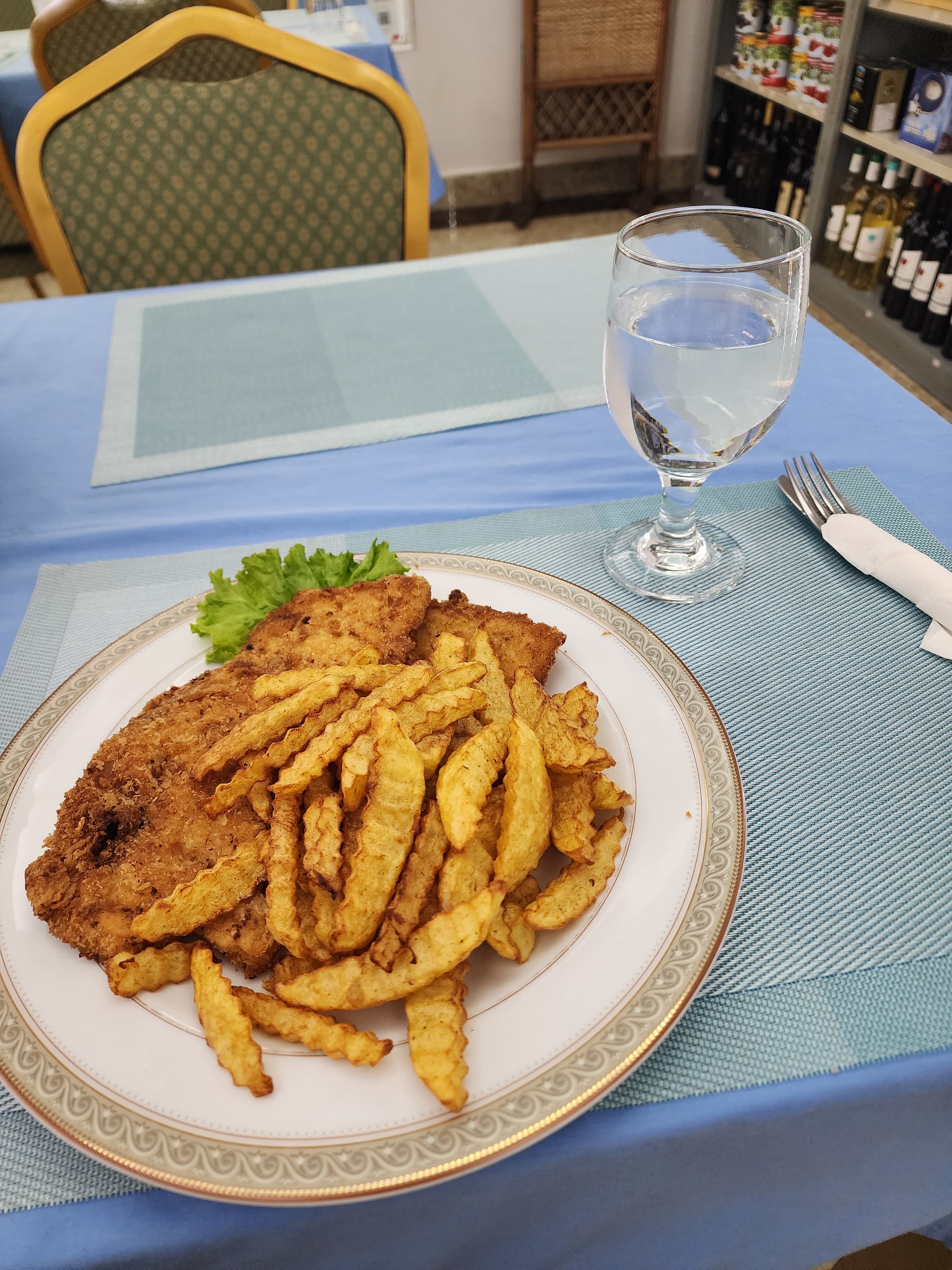
Many cities in Latin America have Jewish communities, as do many cities and towns throughout Europe. Even if it doesn’t seem like somewhere you’ll find a community, it never hurts to check. When I was in Kaunas, Lithuania; After searching for a Chabad house and finding none, I didn’t even bother to see if there was any sort of community there at all. Big mistake, and I’m not sure what I was thinking. I found out literally an hour before my flight out that there was a Jewish community centre with kosher food and a great social scene! It made sense since Kaunas is a university town, but in my ignorance I just assumed the Jewish community was long gone.
Use my map icons:
To make things a tad easier, here’s a link to my personal Google Maps list of places to get kosher food while travelling. It’s not extensive, and only covers popular backpacking areas (SEA, South Asia, Latin America, Australia, and Southern/Eastern Europe), or places I’ve personally been but feel free to use the template to find places to add to your own list.
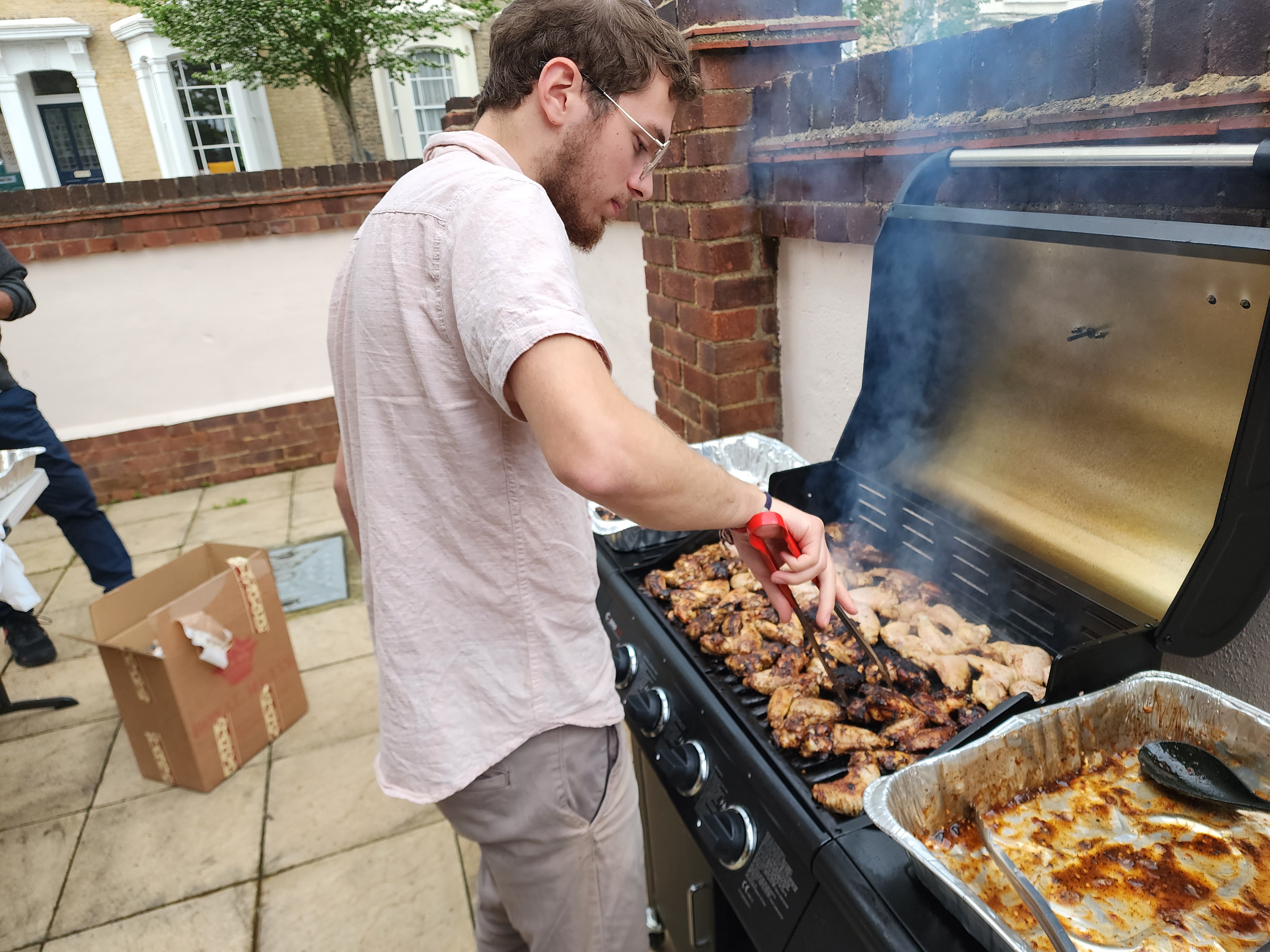
I’ve also added many Chabad houses, community centres, and Jewish sites/places of interest. I guess you can call it a “Directory of Jewish Backpacking”. One day I hope to include some less “backpackery” places as well such as Western Europe, Russia, Ukraine, Israel, and North America. If you have any recommendations or advice I’d absolutely love to hear it! Comment down below or message my Instagram
Tips for eating Vegan/Veggie:
I personally know a lot of people who keep kosher by only eating vegan food from fully vegan kitchens/dishes. For you guys, here are some handy tips on finding what to eat:
- There’s an amazing app; HappyCow, which will show you all Vegan, Vegetarian, and vegan/vegetarian friendly spots around. It works really well and has places all around the globe.
- In Vietnam, search for “Chay” in Google Maps. These are strictly veggie restaurants which won’t always come up if you search “vegetarian” or “vegan”
- Talking about Vietnam, many dishes will use fish sauce, which though genuinely just made of fermented anchovies, is sometimes made out of Scabbard, a kind of Dogfish… AKA, not kosher. Be sure to ask to make sure they don’t use fish sauce if you’re eating vegetarian food in a non-vegetarian place.
- For those in SEAsia, if you’re taking the slow boat between Thailand and Luang Prabang, there’s a place in Pak Beng (the town you’ll spend a night in otw) called Sabaidee where the owner will use a separate pot and ladle for vegan food. Be sure to ask him in person to make sure this is still the case. He speaks great English. If he doesn’t, you’re in the wrong place.

- In El Salvador and Thailand (yup, very random two countries I know) I kept finding this awesome coconut ice cream! No, it’s not coconut-flavoured, but it’s made from coconut instead of dairy! Super tasty!
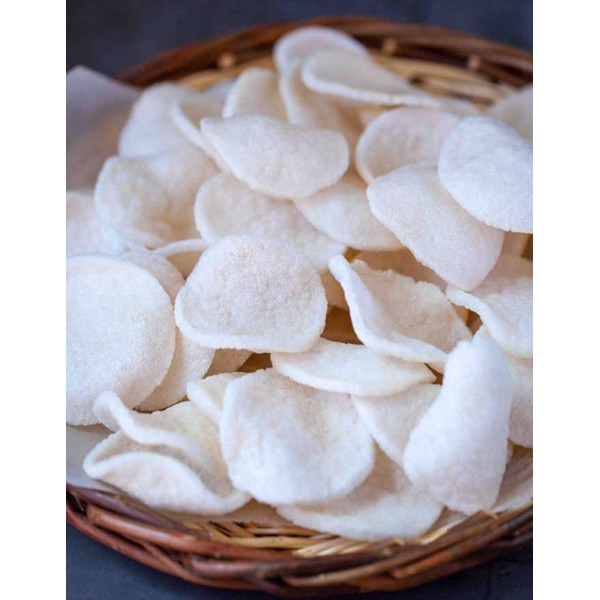
- Beware of the snack that looks a bit like white corn puffs, the main ingredient is…Prawn…
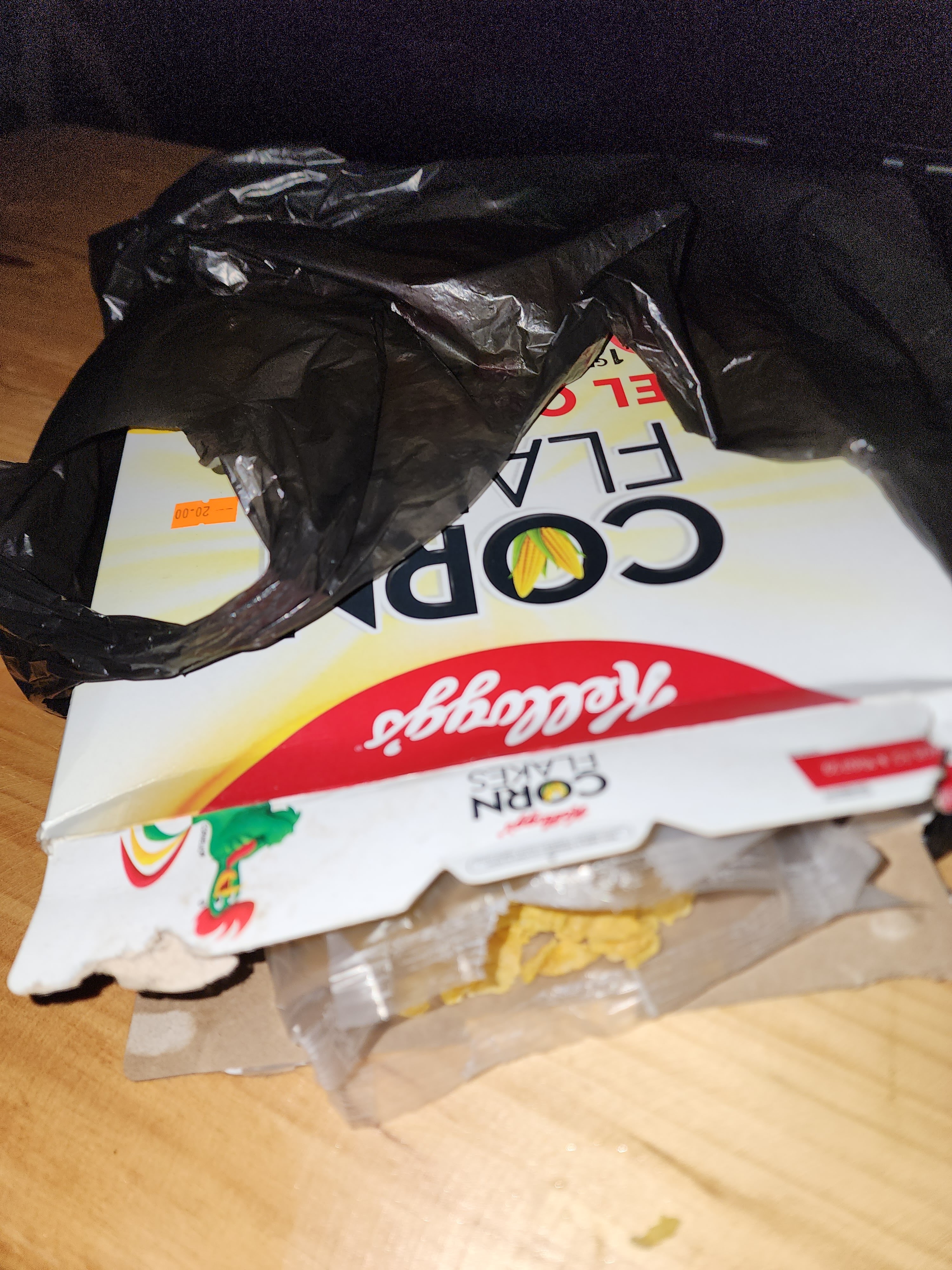
- Although not as common as it once was, a lot of Vietnamese coffee roasters use butter or fat to roast their beans. Bugger
- Don’t expect there to always be a fully vegetarian place to eat. Some countries just don’t do anything but meat, so do a quick search on Maps or HappyCow before heading anywhere (I’m looking at you Sevilla!).
- Places to watch out for include: Seville; and all of Andalusia (Southern Spain), Chiang Rai (Northern Thailand), Railay Beach and Khao Sok (Southern Thailand), and perhaps the worst of all; Rio Dulce in Eastern Guatemala (over here there aren’t even any groceries you can access without taking a 3km boat ride! Cool place though)
Kosher Cooking Classes
Yes, you read that right, there are kosher cooking classes you can take! Well, there’s one at least. When I was in Vietnam, I’d been travelling for months and was getting desperate to take a cooking class somehow, so when I heard of a woman who keeps separate equipment for vegans I thought this was my best chance of taking a kosher cooking class. Imagine my surprise when, when the course started, she told me that she could actually do a kosher class for me!
She explained to me that she keeps a couple sets of equipment aside especially for Jewish people to keep kosher with! When I did the class, I noticed that she was cautious that the sets of equipment and cutlery didn’t mix one drop. For example, since we all had to work together and not everyone was veggie/kosher, me and the vegans did all the first steps for the vegetables in our pans before giving half of it to the others to add to their chicken/meat etc… All in all I was very impressed, and, though I wouldn’t say it’s the epitome of kosher as there’s no mashgiach or anything, it’s amazing to see someone helping out with kosher classes.
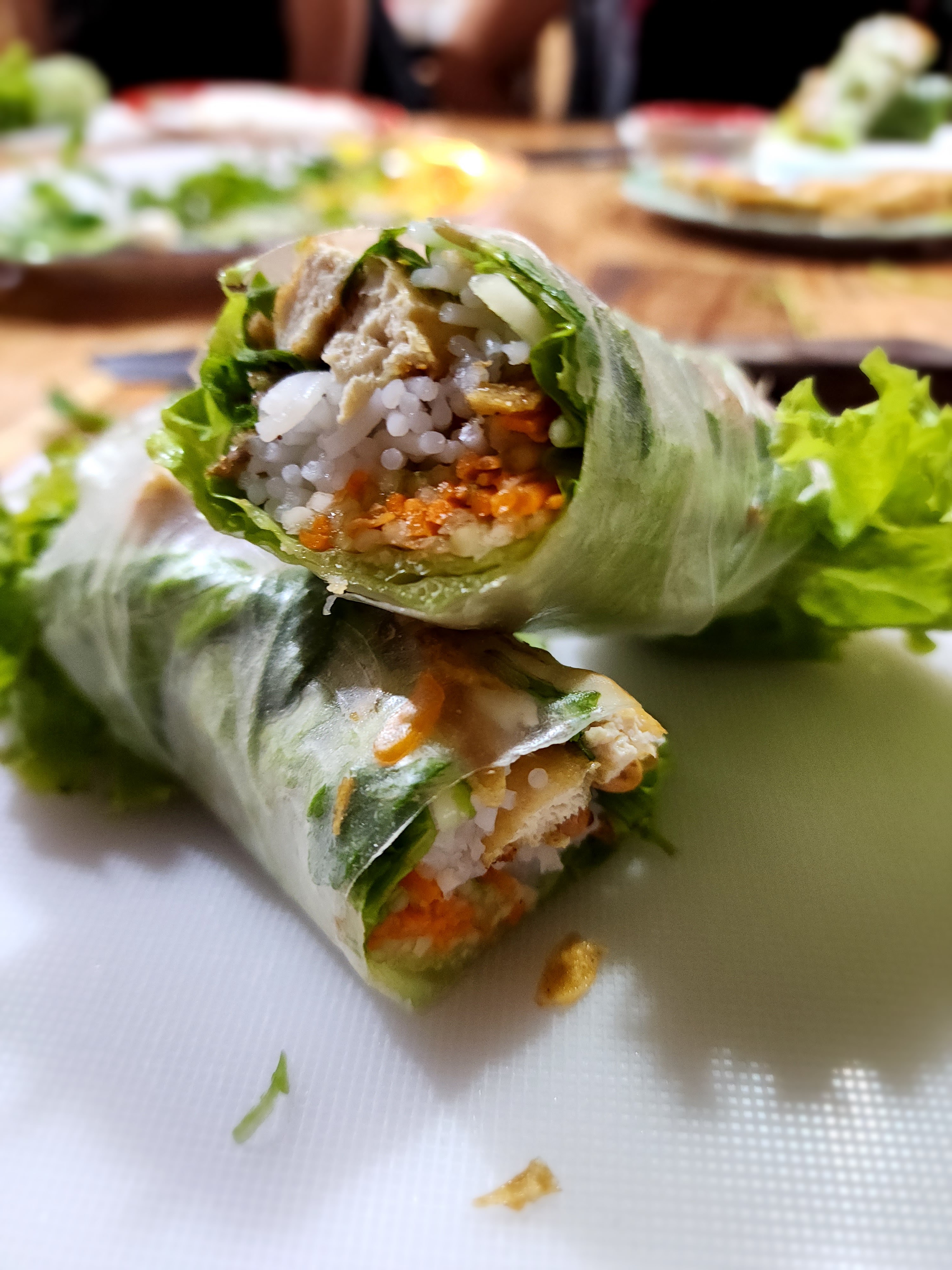
If you’re interested in taking the cooking class in Hoi An, her name is Mimi and her Whatsapp is +84 76 420 0434
Now, I’m not sure other places do this, but it gives me hope that if you really search, you can find someone willing to let you use a new (or used for kosher only) set of equipment.

Well, hope this little “guide” has been of some help. I’ll keep it regularly updated with fresh input, including advice you guys can leave in the comments!
Sponsor a drink!
Make a monthly donation
Make a yearly donation
Enjoying the blog? Consider sponsoring a drink. Every little bit helps me turn my dream of showing just how accessible and fulfilling travel can be; into more than just a dream
Coffee – Smoothie – Night out
Or enter a custom amount
Thanks a Million! and back 😉
Your contribution is appreciated.
Your contribution is appreciated.







Leave a Reply